Article

Children's Internal Ecology: Nasopharyngeal Barrier

An analysis of the causes behind lymphatic system overload in children and a natural algorithm for restoring protective functions.

Coral Club Experts 21.12.2018 2 min read
Children's Internal Ecology: Nasopharyngeal Barrier

The Lymphatic Ring as the First Line of Defense

Childhood is a period of active exploration, requiring all protective systems to function reliably. The pharyngeal lymphatic ring serves as the main barrier, encountering any external agents from the air and food. Under ideal conditions, this system easily neutralizes threats, preserving the internal environment's resources.

However, modern factors—an unbalanced diet with excess refined sugar, a lack of high-quality water, and frequent contact with aggressive external agents—create a colossal burden on this barrier. In an attempt to cope with the workflow, the lymphoid tissue increases in volume compensatorily, leading to discomfort, impaired nasal breathing, and reduced energy levels due to a lack of oxygen.

Instead of aggressive radical interventions that deprive the nasopharynx of its natural "border guard," modern wellness proposes a preventive path. Changing dietary habits, optimizing lymph fluidity, and providing gentle botanical support help the tissue return to its physiological norm.

Signals of Lymphatic Overload

Signs that the child's protective barrier is struggling to cope.

  • Regular mouth breathing and discomfort during nighttime sleep

  • Prolonged recovery periods after typical seasonal challenges

  • Decreased concentration and lethargy due to a lack of oxygen

The Foundation of Natural Defense

Basic dietary adjustments to reduce the load on lymph flow.

Do

  • Ensure a regular intake of bioavailable, slightly alkaline water
  • Add fresh vegetables and greens to the diet to support microflora
  • Maintain daily physical activity outdoors

Avoid

  • Commercial sweets, juices, and refined flour pastries
  • Excessive amounts of mucus-stimulating foods (like whole milk)
  • Aggressive synthetic solutions at the first sign of resource depletion

Common Questions About the Protective Barrier

This is a natural compensatory reaction. When the lymphatic system is overloaded with toxins and external agents, the tissue expands its surface area to enhance filtration.
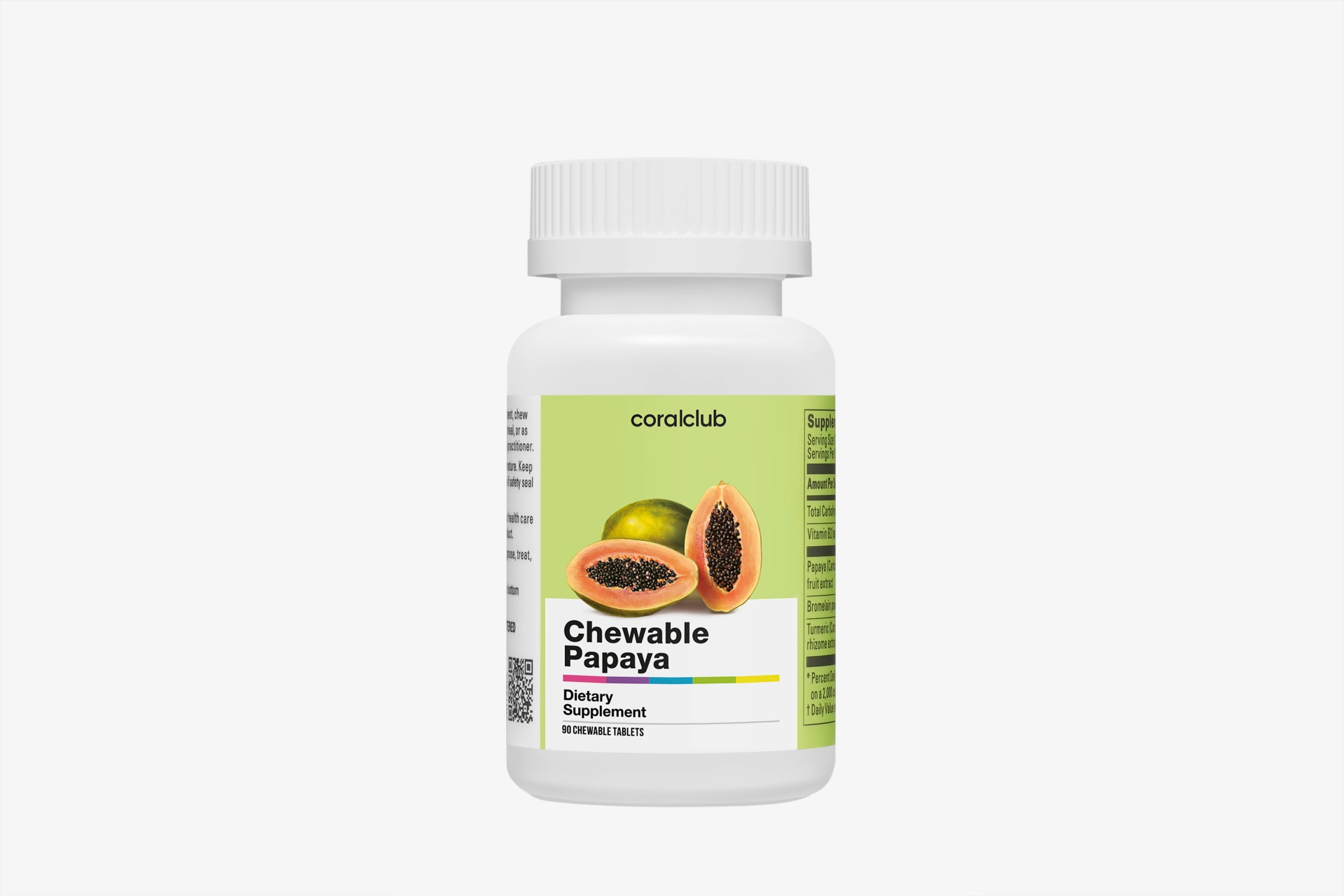
Enzymes like papain act as natural assistants. They help break down protein-based mucus, reducing congestion in the tissues.
The gut is the foundation of the immune response. Maintaining a healthy microflora directly impacts the pharyngeal ring's ability to withstand external challenges.

Gentle Cleansing and Resource Support

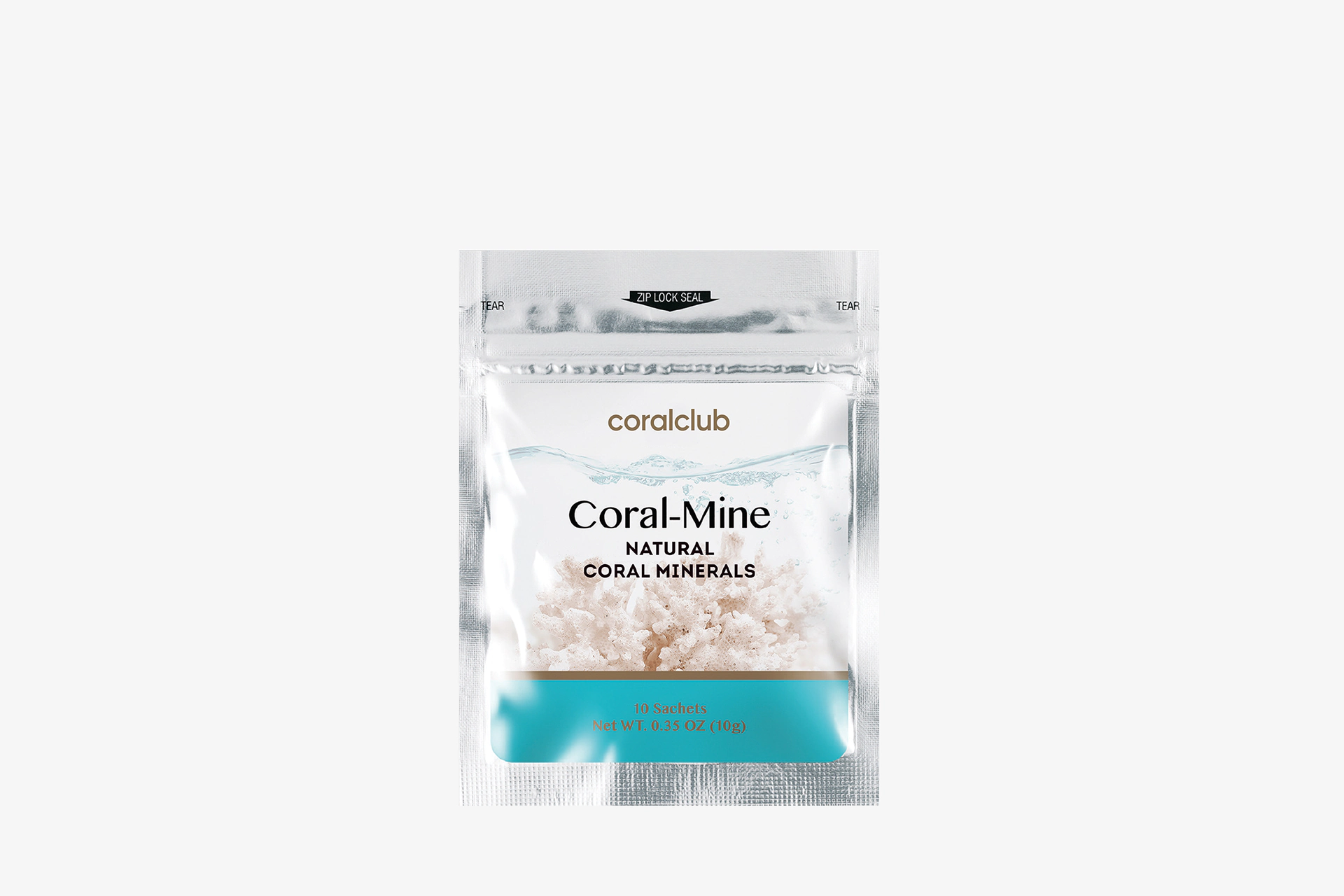
Proper hydration is a key factor in restoration. Water is responsible for lymph fluidity; if the drinking regimen is disrupted, drainage processes slow down, and the toxic load increases. Adding natural mineral complexes makes the water bioavailable, accelerating cleansing at the cellular level.

A happy child breathing deeply in nature

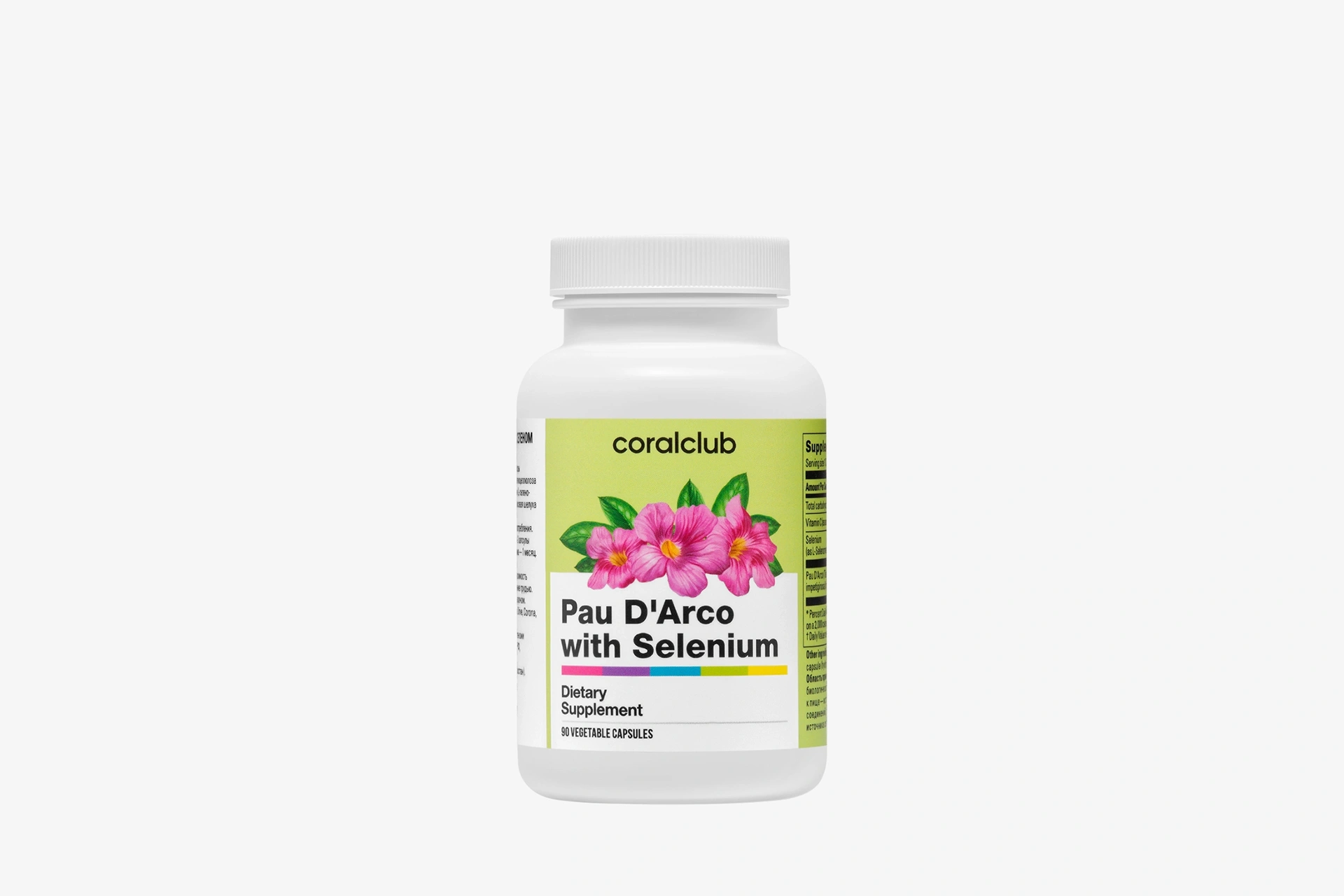
During the cleansing phase, it is vital to use safe botanical extracts that create an unfavorable environment for uninvited agents without disturbing the body's own beneficial flora. Natural antiseptics and immunomodulators work delicately to restore internal balance.

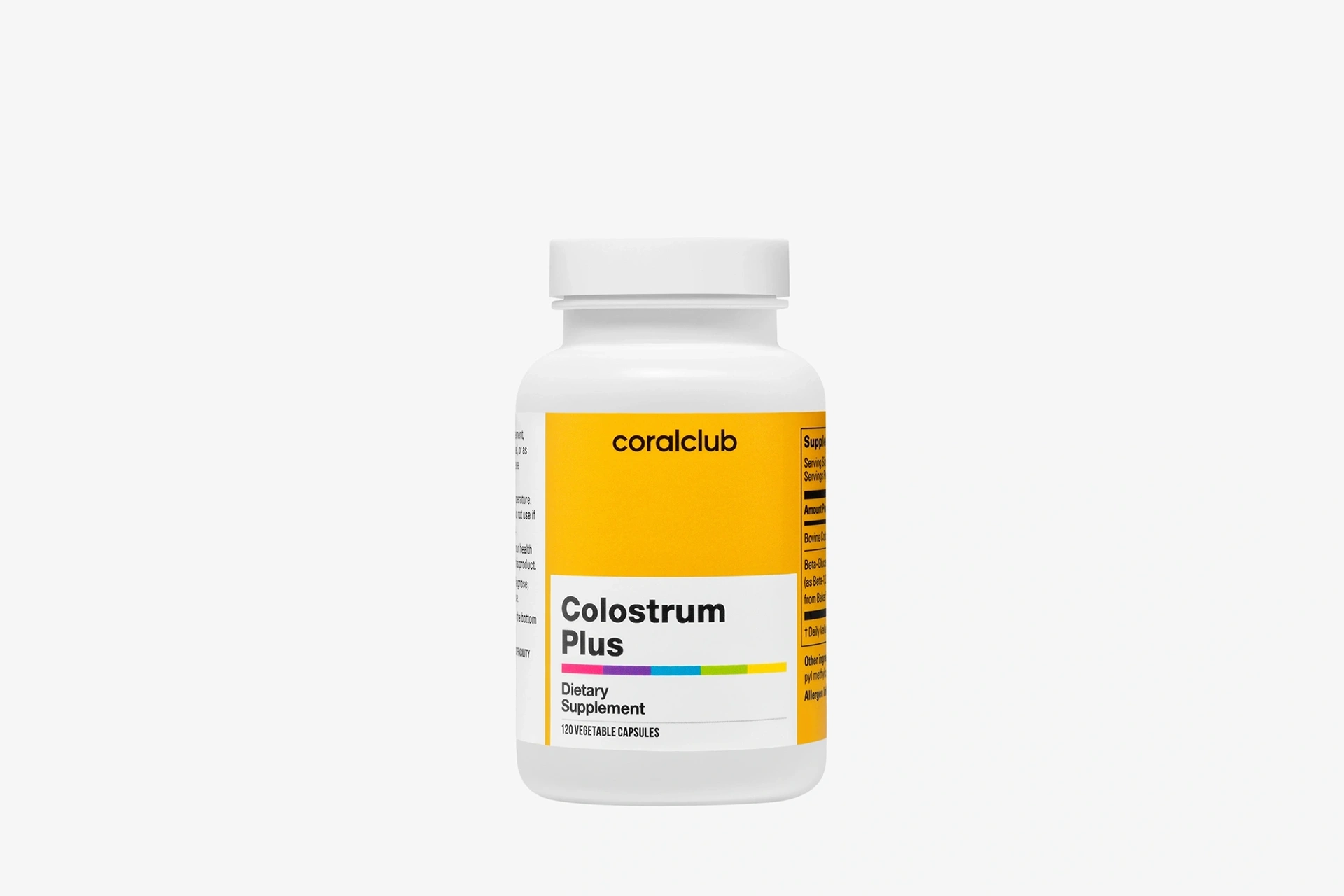
The final touch is cellular nutrition. Populating the gut with beneficial bacteria and supporting internal systems with high-quality fatty acids and vitamins forms a solid foundation for harmonious growth and development.