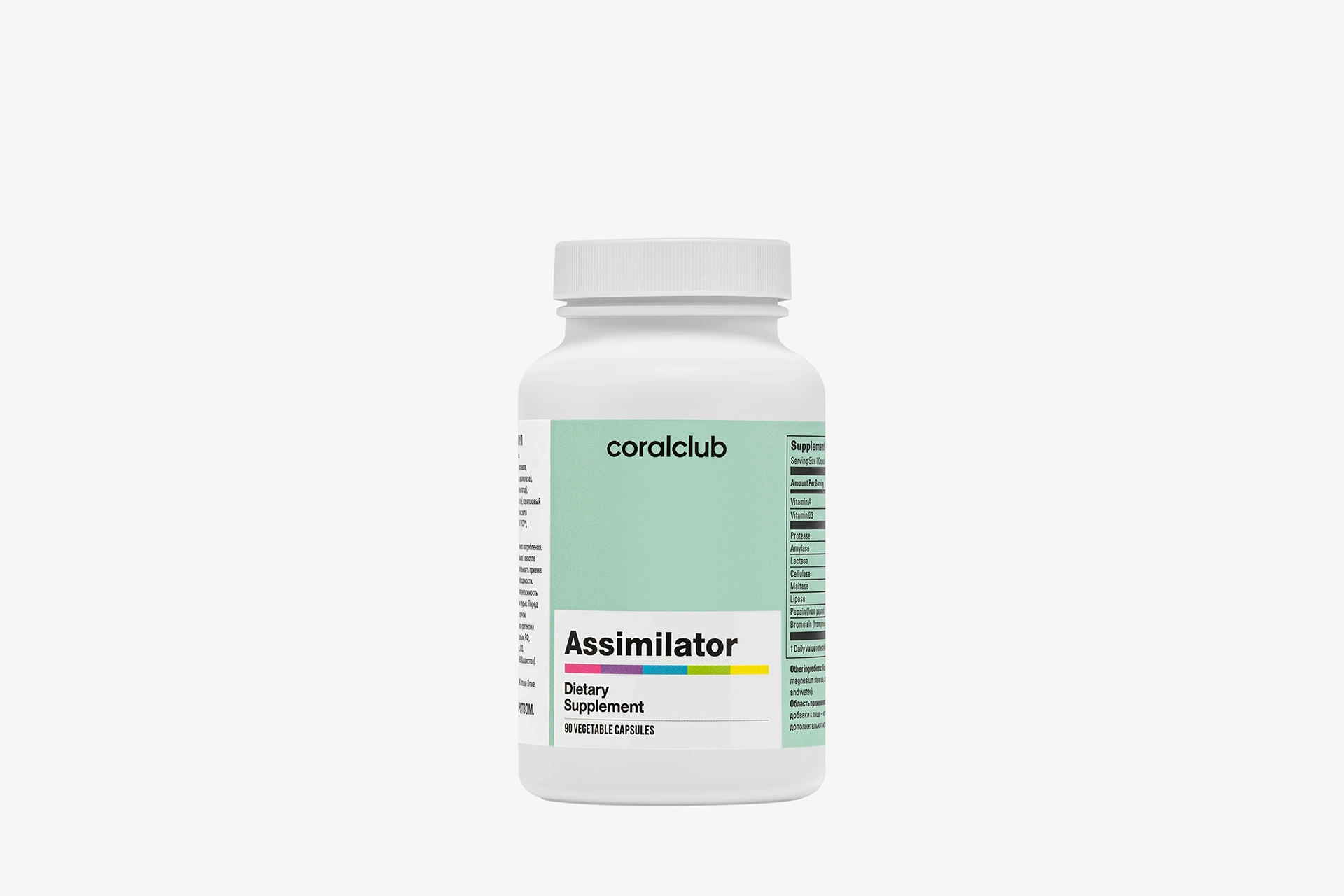
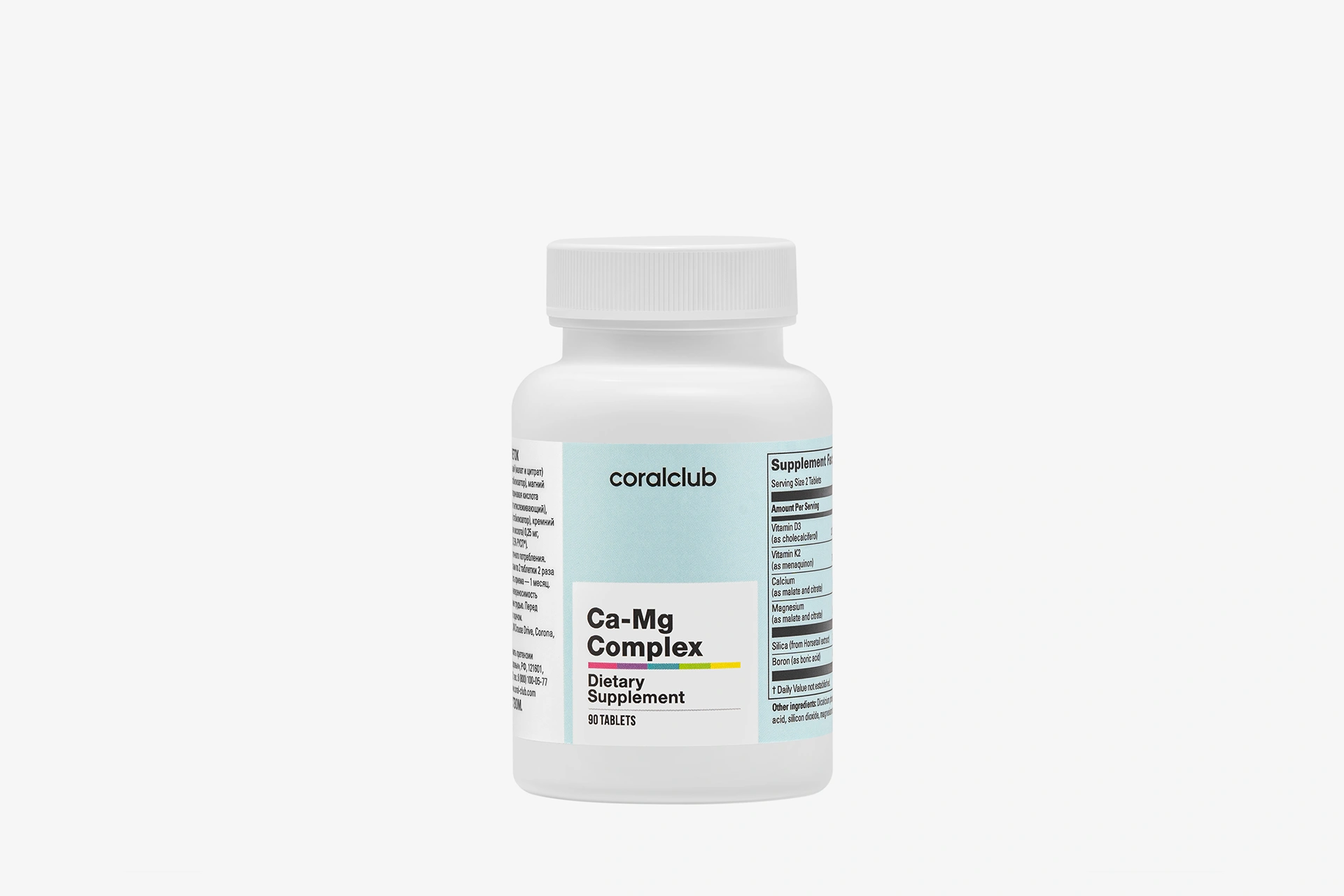
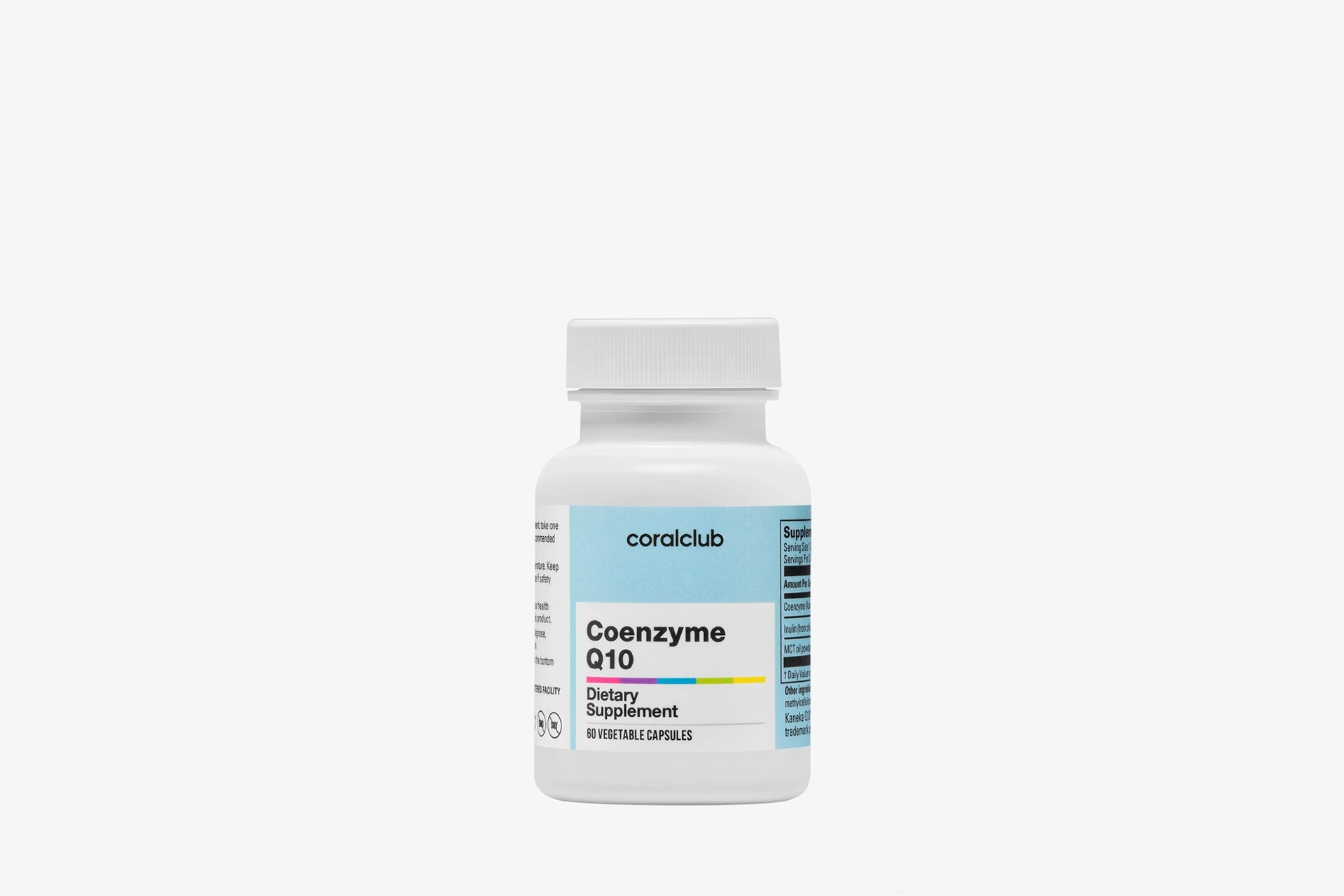



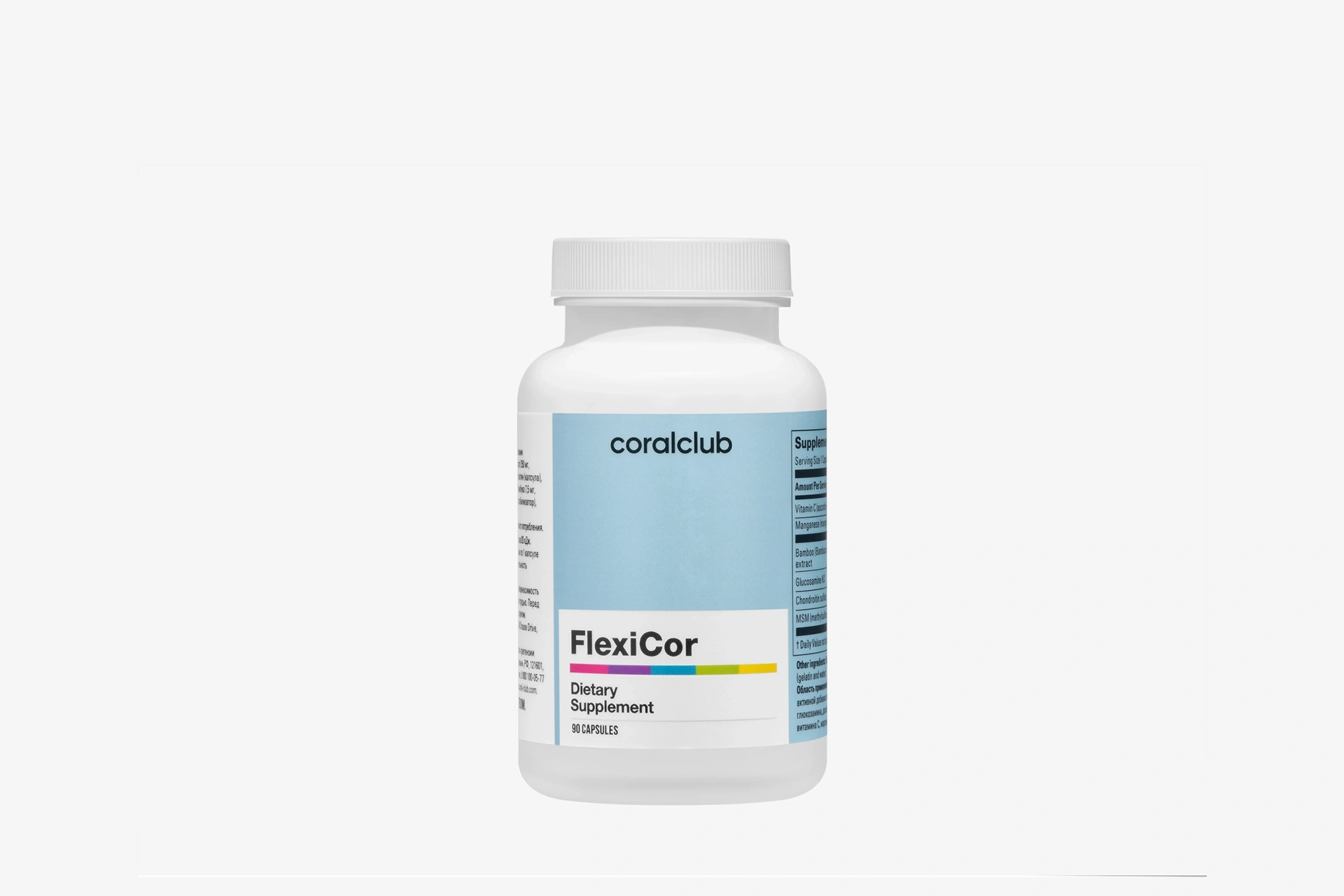
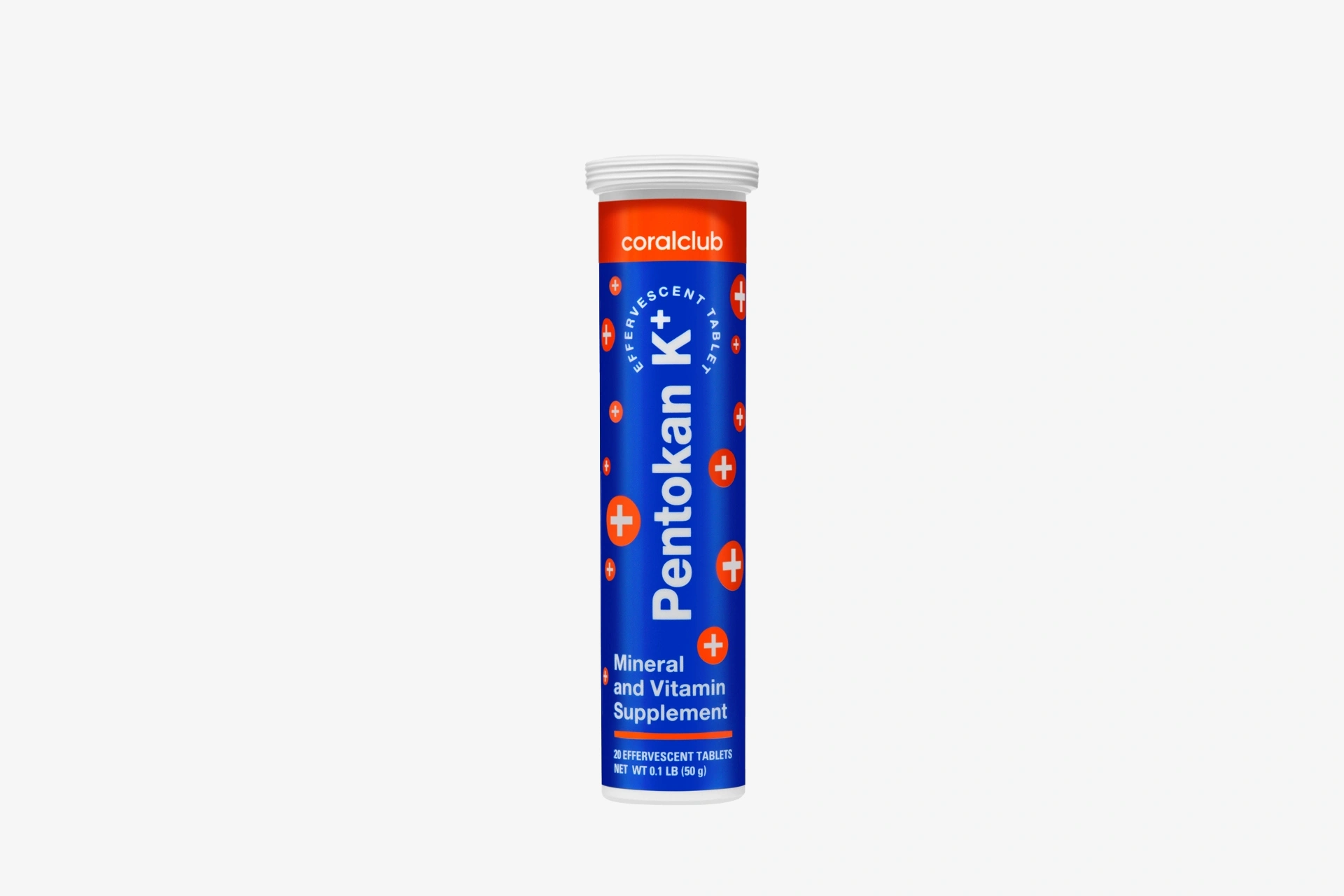
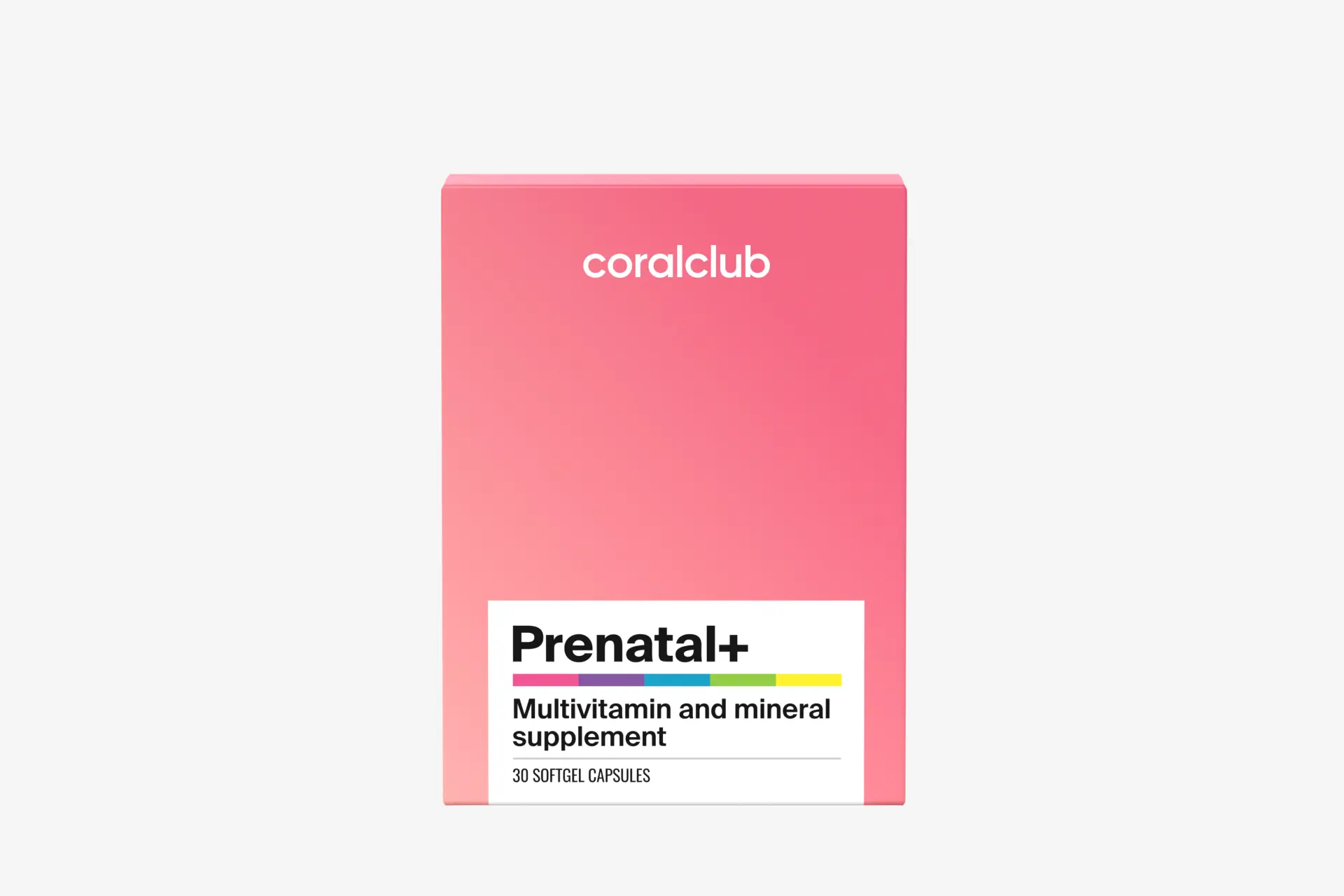

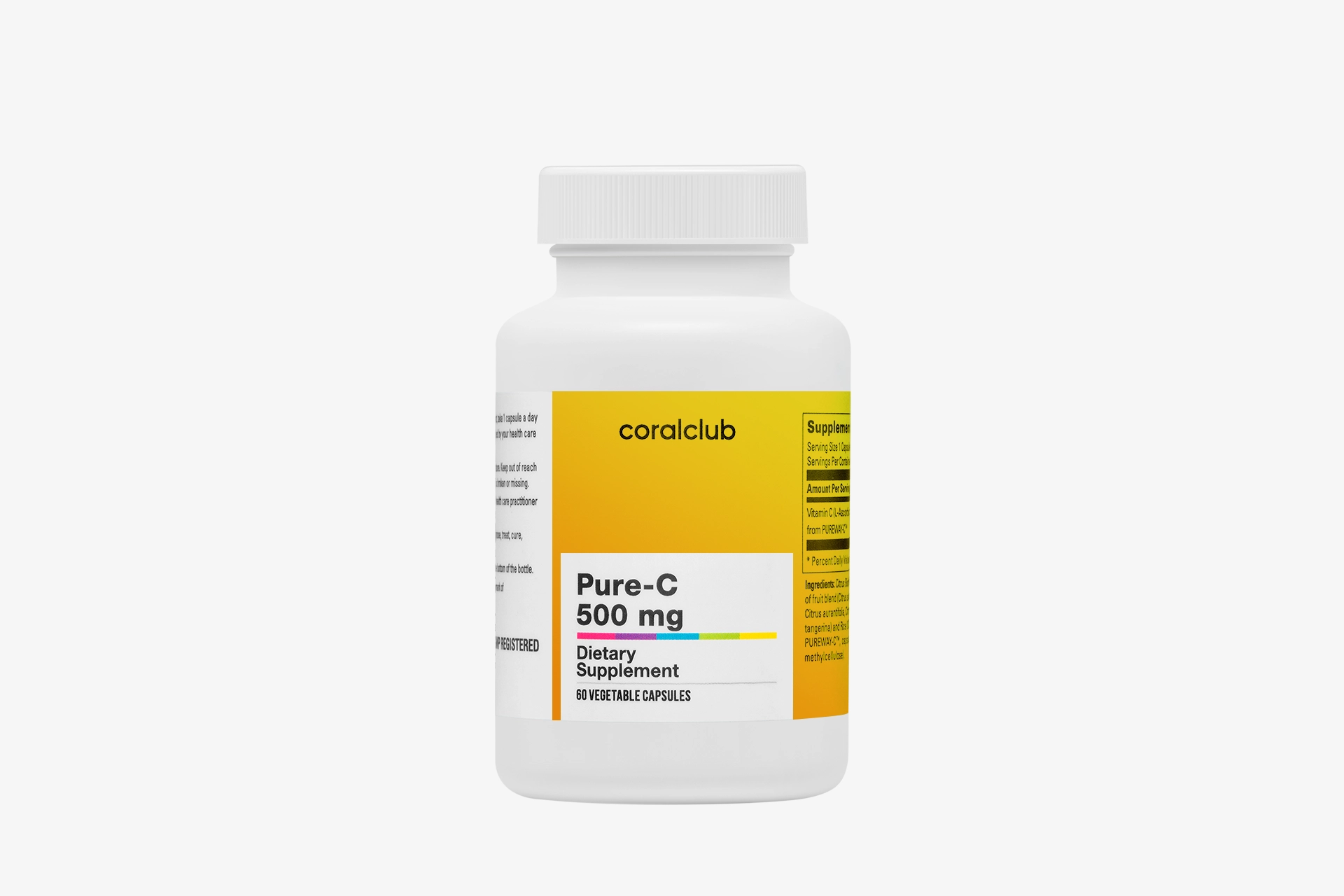
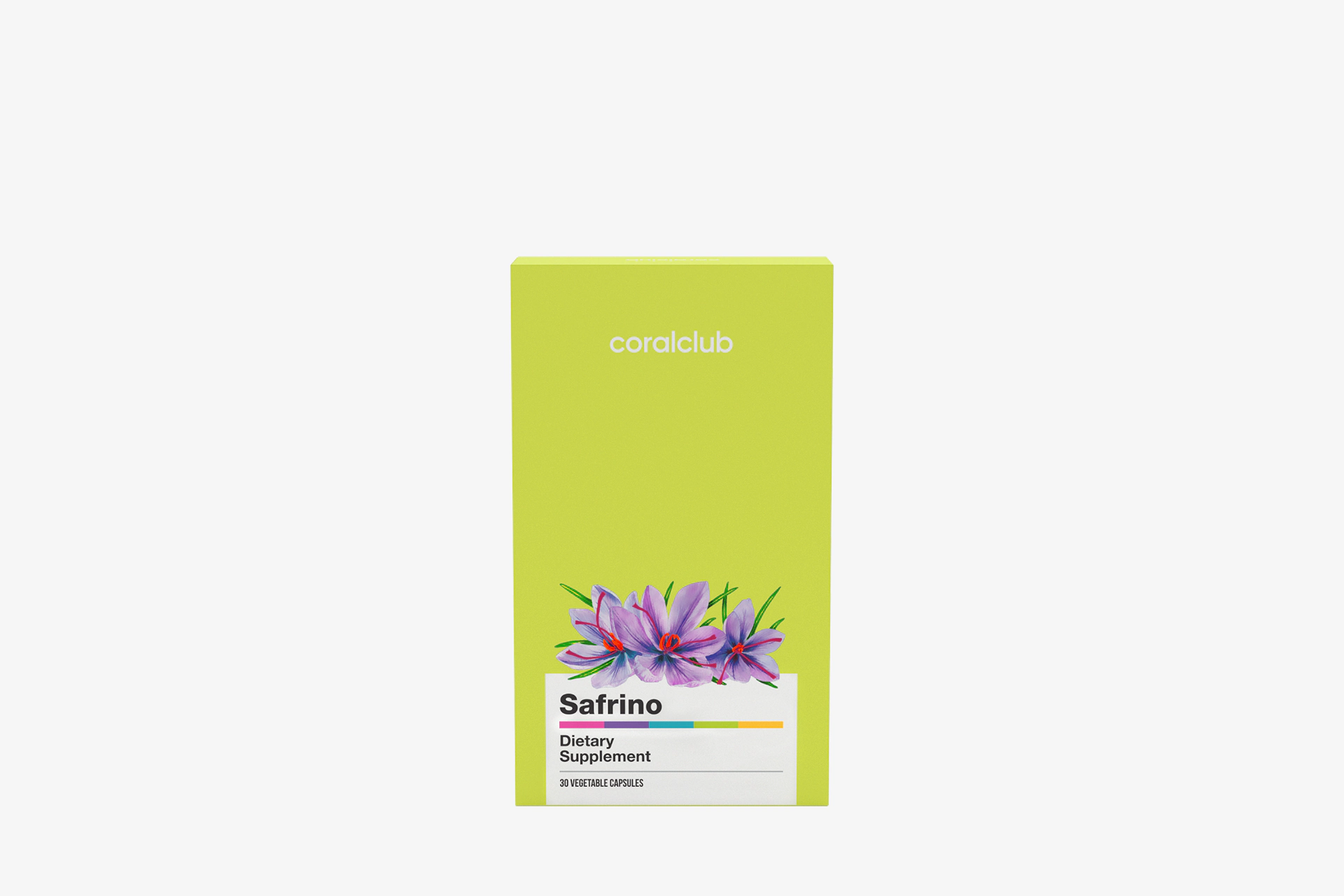
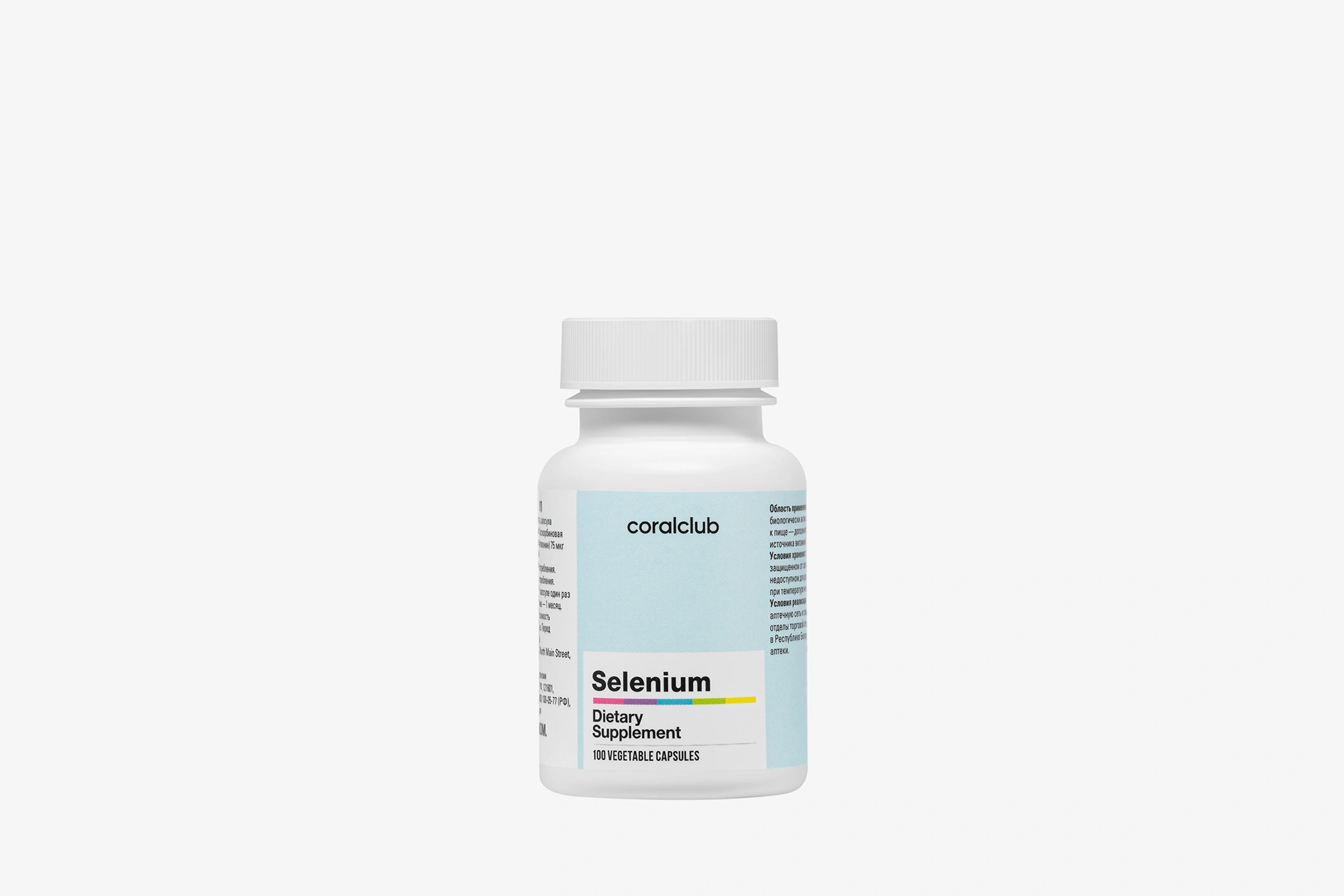
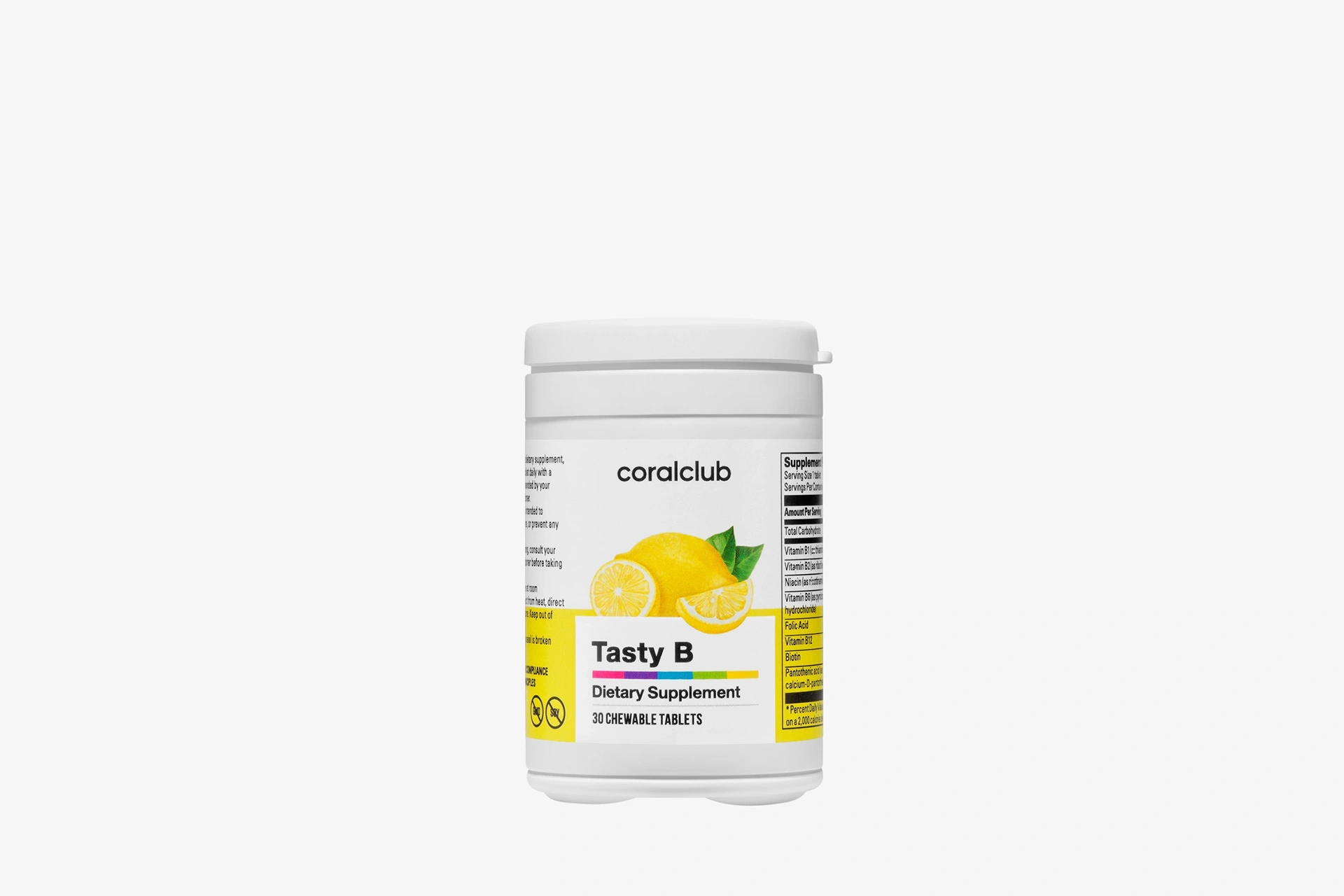
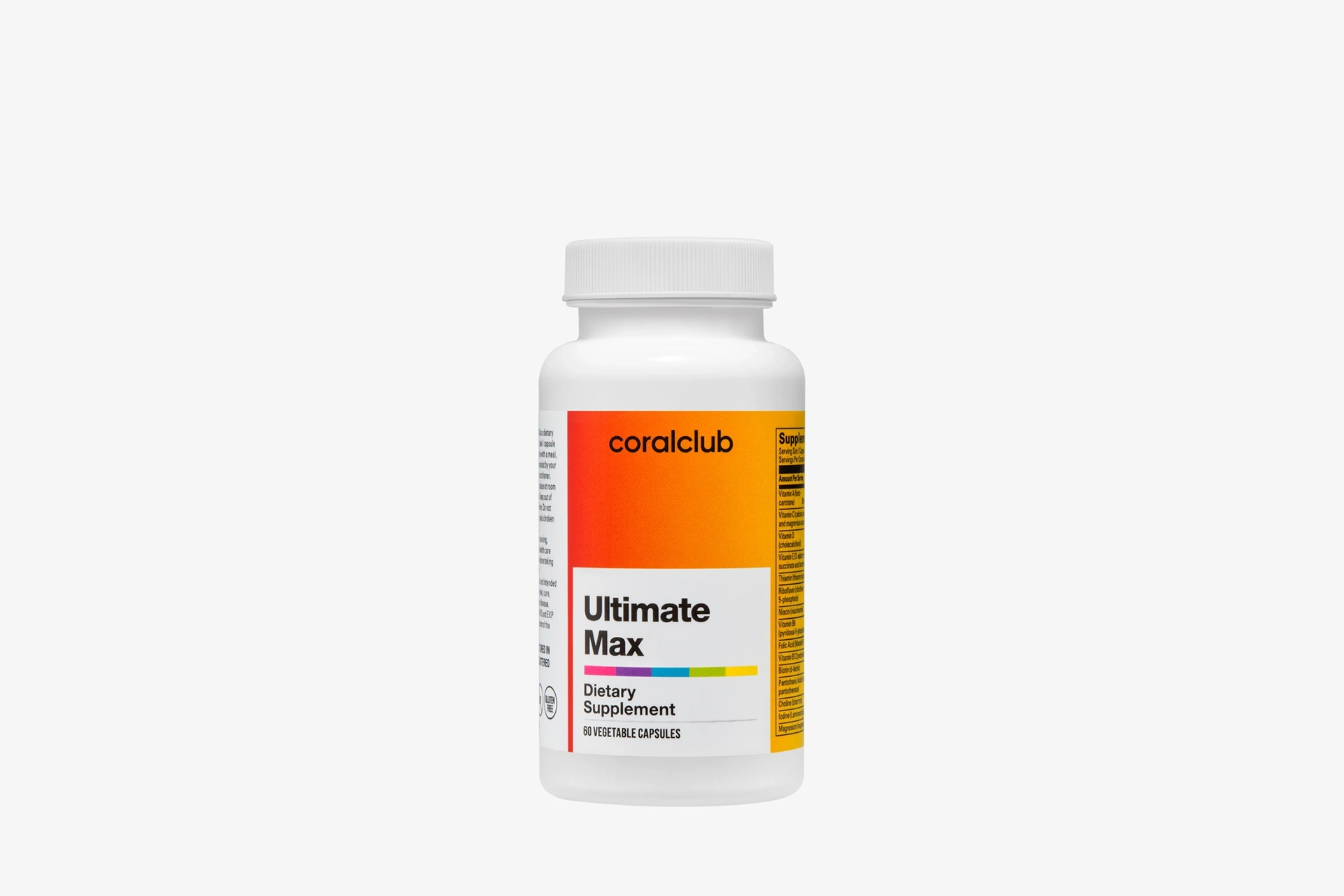
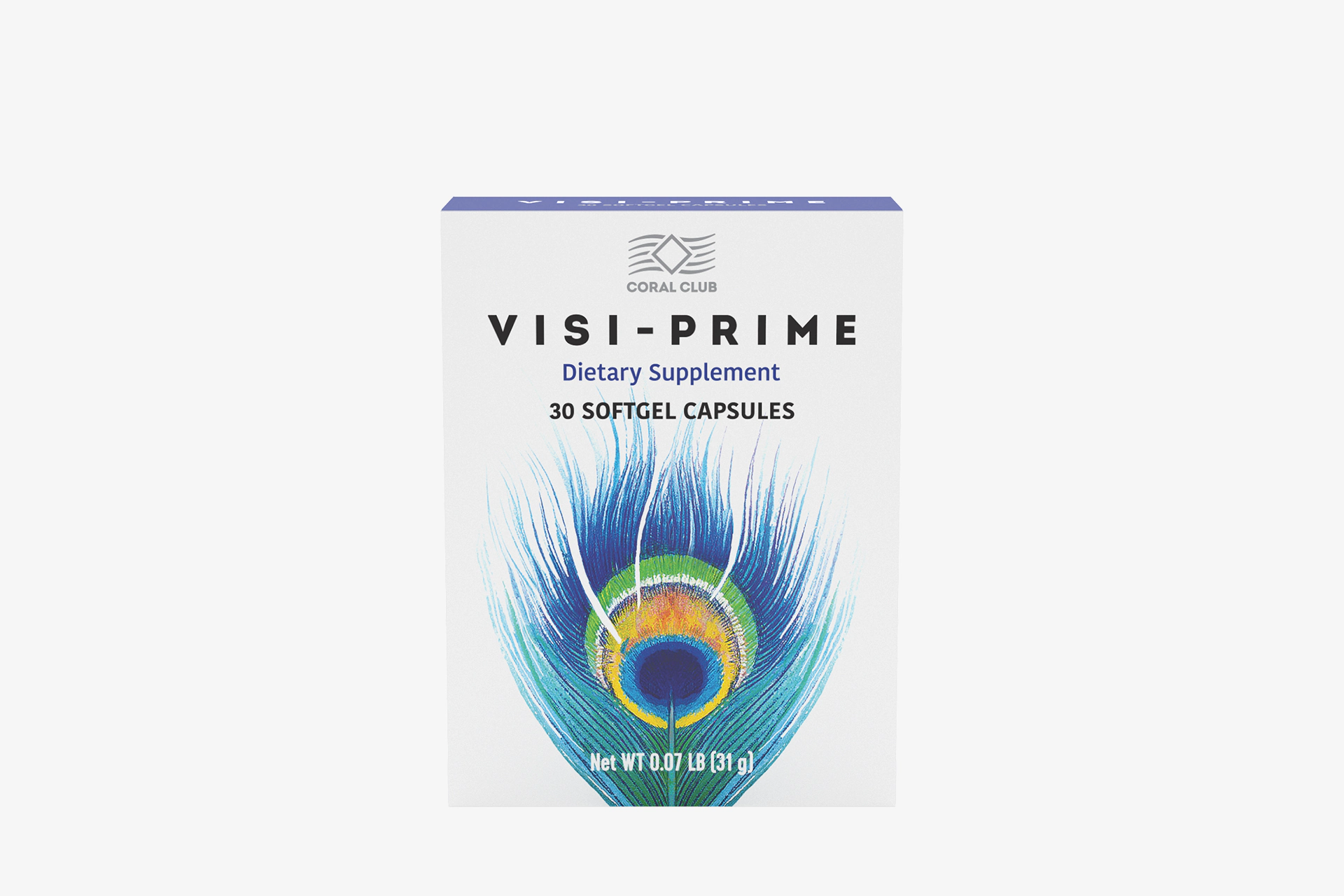

Vitamins and minerals contain no calories, yet they govern thousands of biochemical reactions. These elements act as metabolic catalysts, ensure the stable functioning of the nervous system, participate in cellular respiration, and are responsible for natural tissue renewal at the deepest level.
Resource Depletion and Hidden Hunger
Modern agricultural practices, prolonged storage, and thermal processing of food lead to a sharp decrease in nutrient density. Even with a seemingly balanced diet, the body often faces cellular hunger—a lack of key elements, which manifests as rapid fatigue, decreased concentration, and vulnerability to seasonal changes.
The Importance of Form and Bioavailability
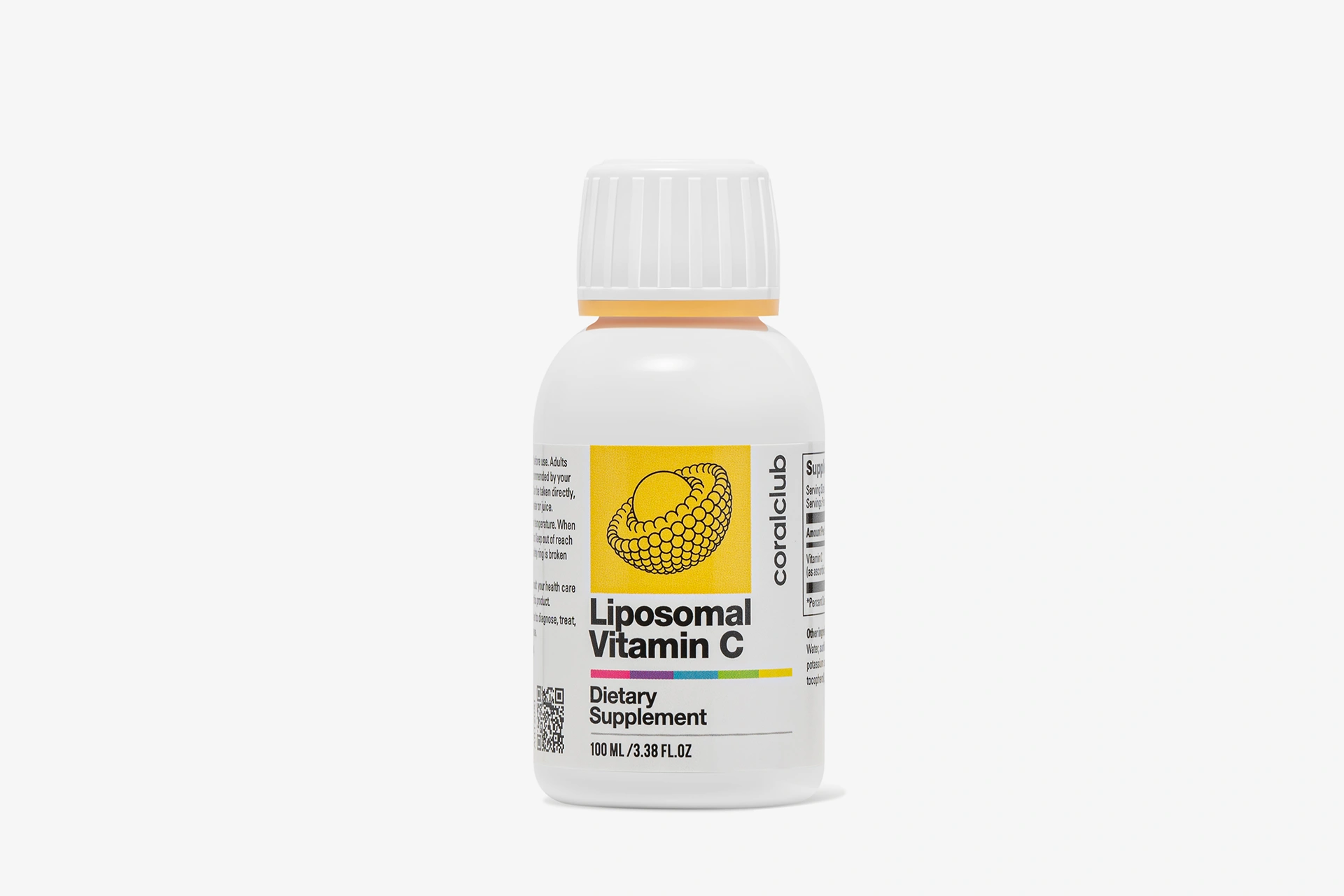
For full absorption of micronutrients, their chemical form and delivery method are critical. The use of advanced technologies, such as liposomal encapsulation, protects active substances from the aggressive environment of the digestive tract and delivers them directly into the cells, ensuring maximum absorption without stressing the excretory systems.
A Comprehensive Approach to Replenishing Deficiencies
Systemic care for the internal environment requires the proper combination of nutrients. A well-chosen synergy of elements works in several directions simultaneously:
- Maintaining barrier functions and providing antioxidant cellular protection against oxidative stress.
- Nourishing the nervous system and preserving emotional balance during periods of high intellectual load.
- Strengthening the structural elements of the body and mineralizing connective and bone tissue.