Water is the primary transport system of the body, delivering nutrients to cells and eliminating waste products. However, for full participation in biochemical processes, not only the volume of consumed liquid is important, but also its physicochemical properties—pH level, mineralization, and surface tension.
The Problem of Hidden Dehydration
A modern diet abundant in caffeine, sugar, and refined products promotes the active elimination of valuable minerals and acidification of the internal environment. Consuming empty or demineralized water cannot fully restore this balance, which over time leads to a decrease in energy levels, a slowed metabolism, and disruption of excretory systems.
Systemic Hydration Support
Proper hydration requires a comprehensive approach aimed at changing the properties of water and replenishing key electrolytes:
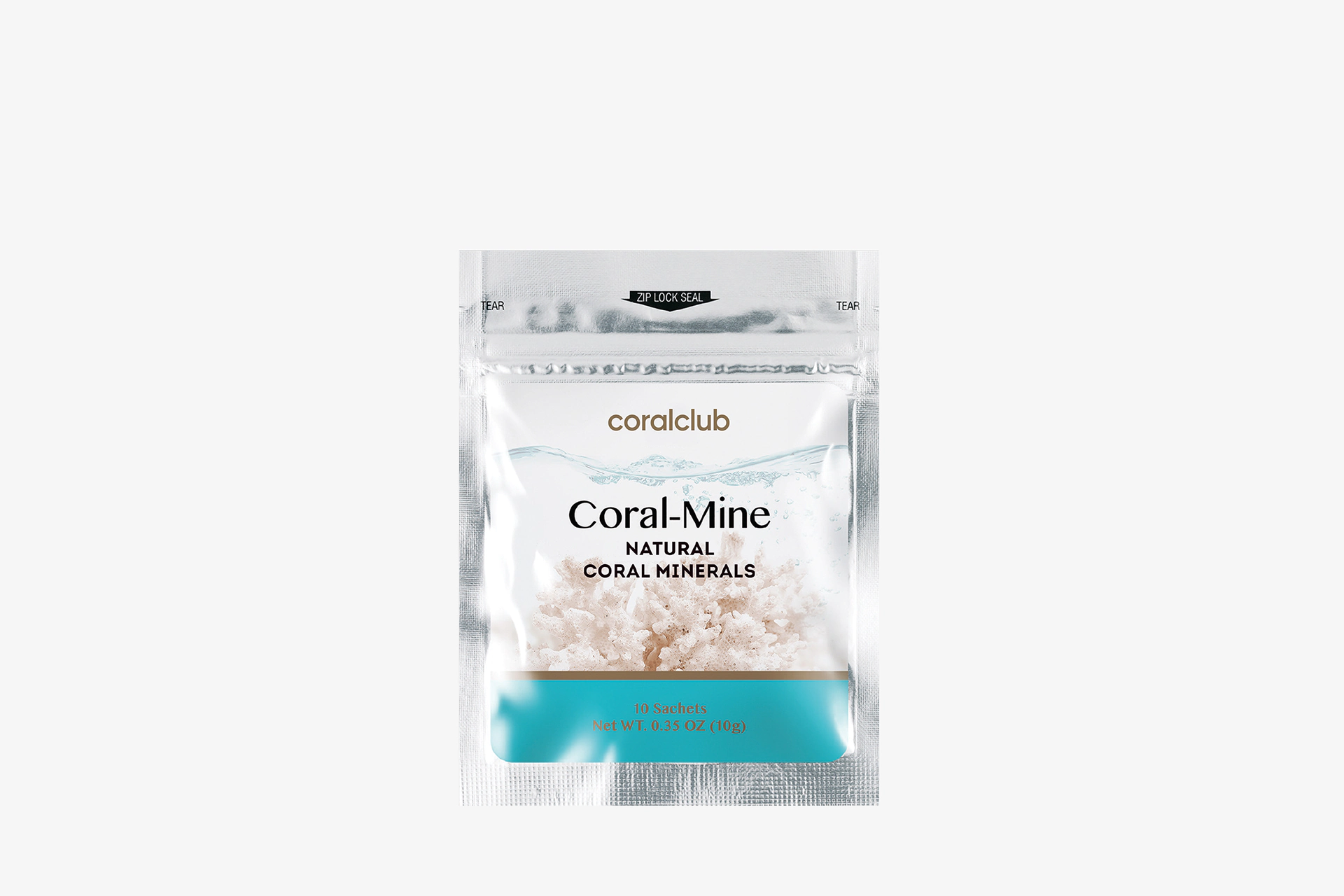
- Mineral enrichment — using natural compositions for mild alkalization and improving water bioavailability.
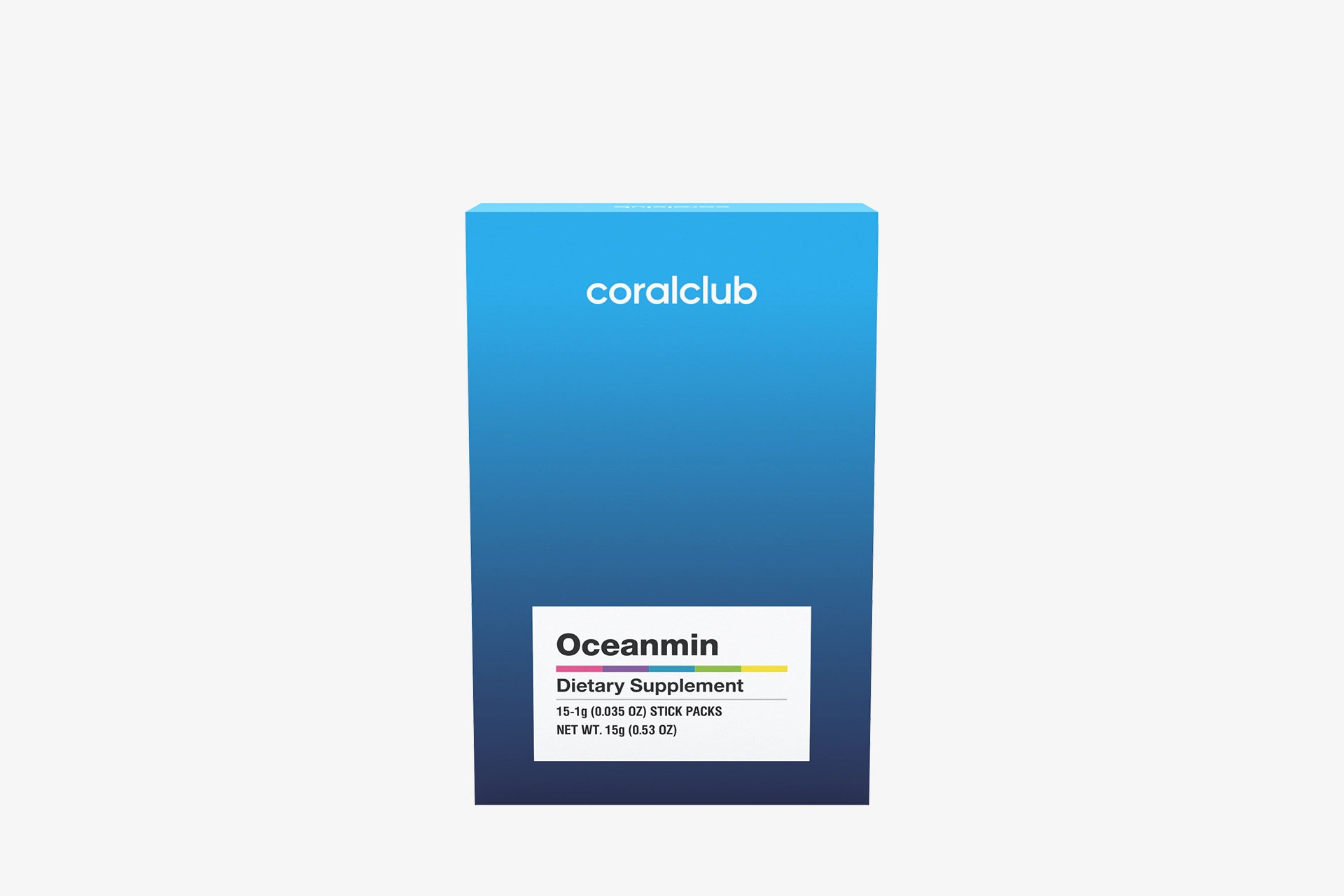
- Electrolyte replenishment — supporting the nervous and cardiovascular systems through ionic forms of magnesium, potassium, and sodium.
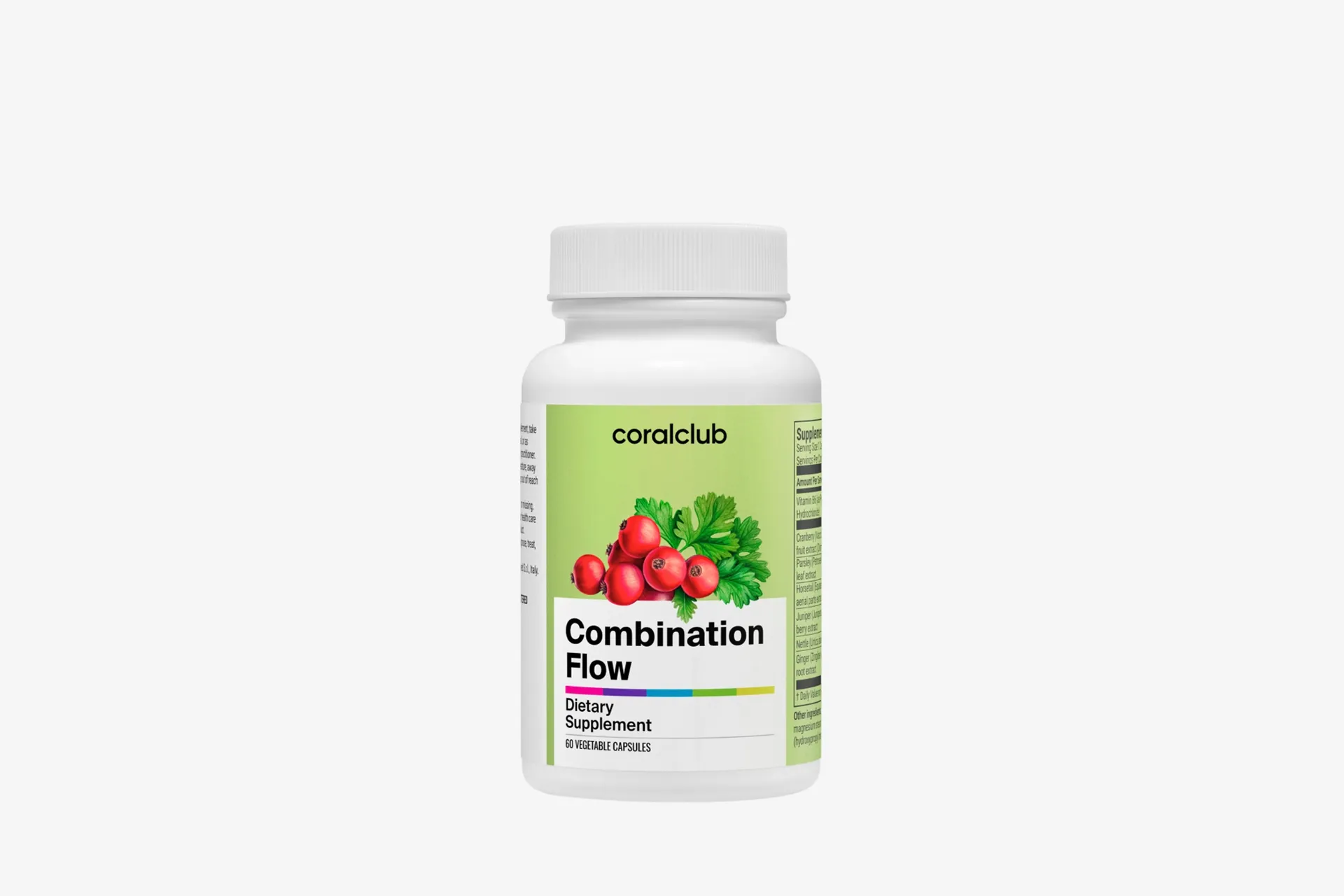
- Excretory system support — optimizing the work of natural filters to prevent fluid stagnation.
Natural Bioavailability
Using components from relict deep-water deposits and oceanic minerals ensures maximum compatibility with the internal environment. Such natural forms of electrolytes are easily recognized and absorbed, quickly restoring physiological norms and cellular energy levels.