Article

Aesthetics from Within: The Impact of Diet on Skin Clarity and Health

The condition of the skin integument is inextricably linked to the functioning of the digestive tract. Any aesthetic imperfections are not a localized defect, but a marker of excretory system overload and a disruption of internal balance.

Coral Club Experts 19.06.2021 4 min read
Aesthetics from Within: The Impact of Diet on Skin Clarity and Health

The Hidden Connection: Digestion and the Epidermis

The intestines and the skin share a common origin during embryonic development, maintaining a close relationship throughout life. When the digestive system cannot cope with the incoming load, natural breakdown processes are disrupted. Remnants of undigested food provoke a change in microflora, which inevitably affects external appearance.

The skin is the largest excretory organ. If the primary filters (liver and kidneys) are overloaded with metabolites or toxins from poor-quality food, the epidermis takes on a reserve evacuation function. This is exactly how localized redness, reactivity, excessive oiliness, or, conversely, peeling appear on the surface.

Attempts to mask these manifestations with thick cosmetic textures or aggressive drying lotions provide only a temporary illusion of improvement. True aesthetics require systemic internal work: revising dietary habits, normalizing bile flow, and creating conditions for the growth of healthy microflora.

Nutritional Protocol for Clear Skin

The first step to an aesthetic transformation is a refrigerator audit. Certain foods act as fuel for inflammation, while others serve as a base for renewal.

Diet Foundation (Green Light)

  • Alkaline-forming foods: leafy greens, broccoli, celery (sources of fiber and antioxidants).
  • Quality fats: avocados, olive oil, fatty sea fish (support for the lipid mantle).
  • Sufficient volume of bioavailable water for the timely removal of cellular metabolic waste.

Main Provocateurs (Red Light)

  • Simple sugars and refined carbohydrates: trigger the process of collagen glycation and stimulate excess sebum production.
  • Trans fats and fast food: maintain systemic tension and overload the liver.
  • Excessive consumption of foods containing hidden lactose and solanine (individual triggers of reactivity).

Debunking Skincare Myths

Understanding physiological processes protects against beauty industry marketing ploys.

Myth

Daily use of scrubs makes the skin perfectly smooth.


Fact

Aggressive mechanical cleansing destroys the protective hydrolipid barrier, provoking even more sebum production as a defense mechanism.

Myth

Refusing food (fasting) is the best way to quickly clear the face.


Fact

A sudden rejection of nutrients creates stress and releases accumulated toxins into the blood, which can initially lead to a sharp deterioration of the epidermis. Cleansing should be gradual and supported by sorbents.

4 Steps to a Natural Glow

A systemic approach from the Health Concept for restoring the aesthetics of the skin.

01

Optimizing Hydrodynamics

Creating a slightly alkaline environment. Water is the transport that gently washes away water-soluble metabolites, preventing their excretion through the pores.

02

Relieving the Liver

Supporting the body's main filter with plant extracts. A healthy liver means quality bile and clean blood.

03

Normalizing the Microbiome

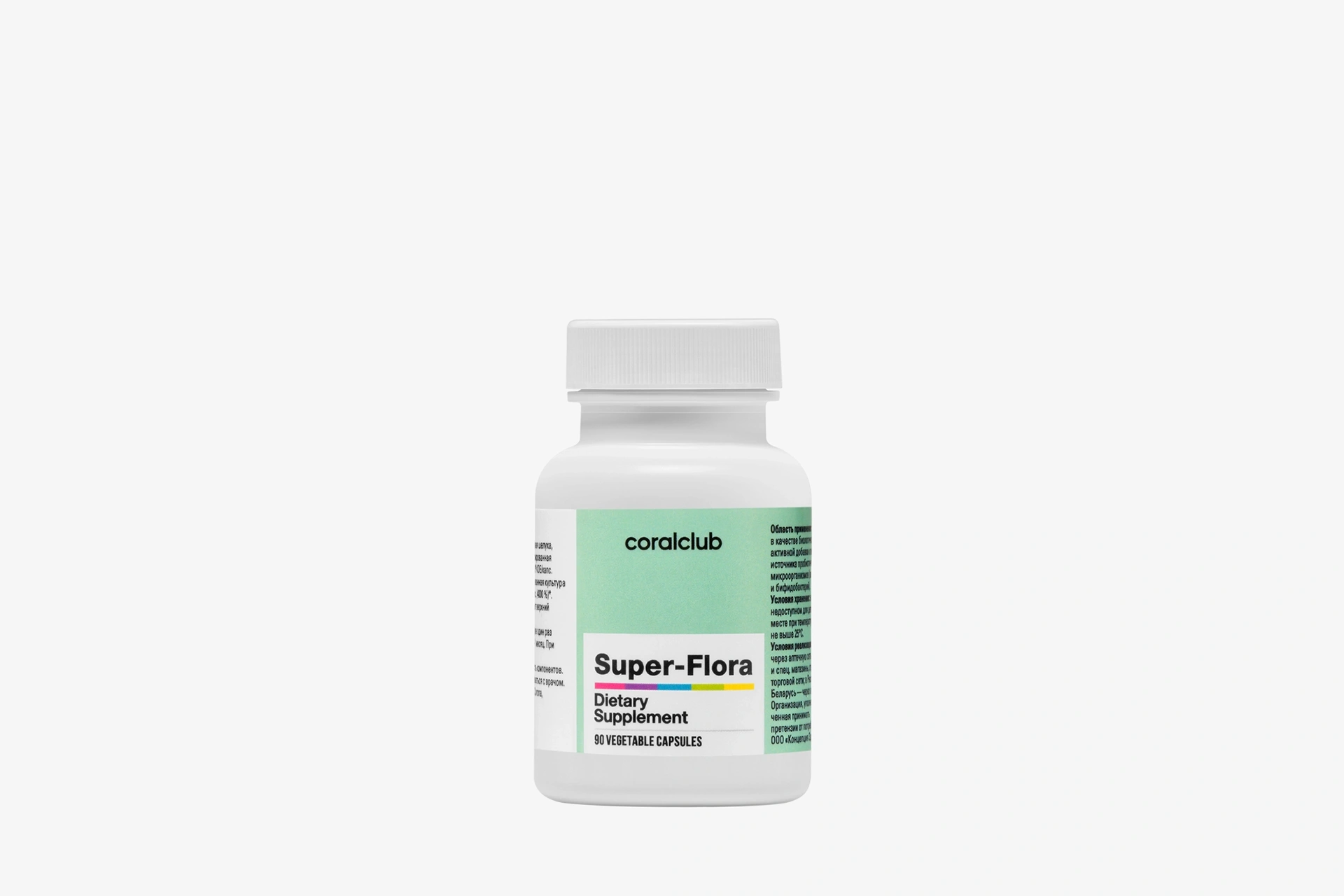
Populating the digestive tract with beneficial bacteria (probiotics). Healthy flora suppresses the growth of pathogens that provoke breakouts.

04

Targeted Cellular Nutrition

Replenishing deficiencies in minerals (zinc, sulfur) and fatty acids (Omega-3), which are necessary for collagen synthesis and sebaceous gland regulation.

Deep Dive: The Liver and Microelements

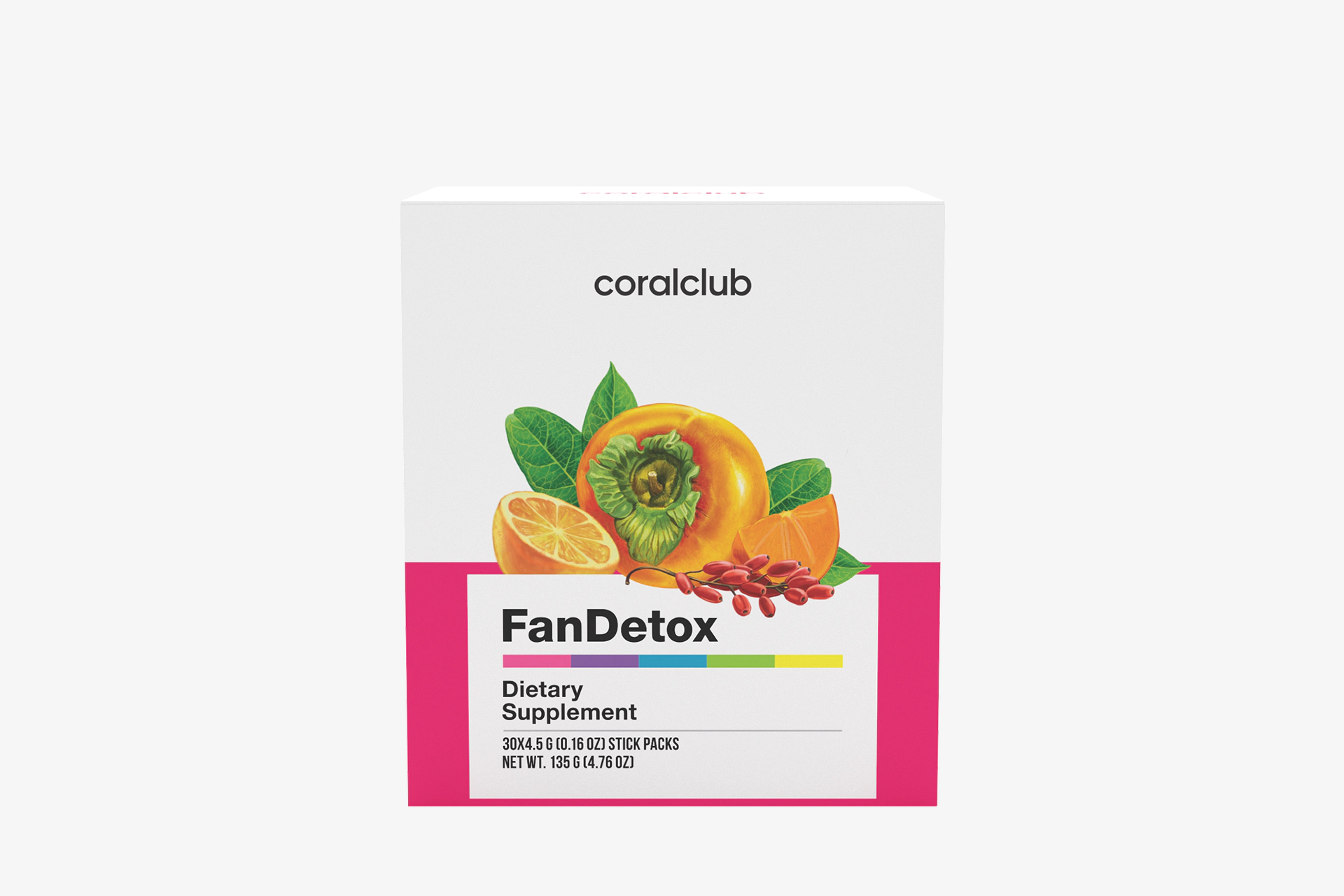
Liver function is directly reflected in skin turgor and complexion. This organ is responsible for neutralizing exotoxins and processing hormones. If the detoxification function is reduced, breakdown products enter the systemic circulation. Plant extracts, such as persimmon, goji berry, or artichoke extracts, have a hepatoprotective effect, helping liver cells regenerate and filter blood effectively.

Cellular nutrition and skin layer structure

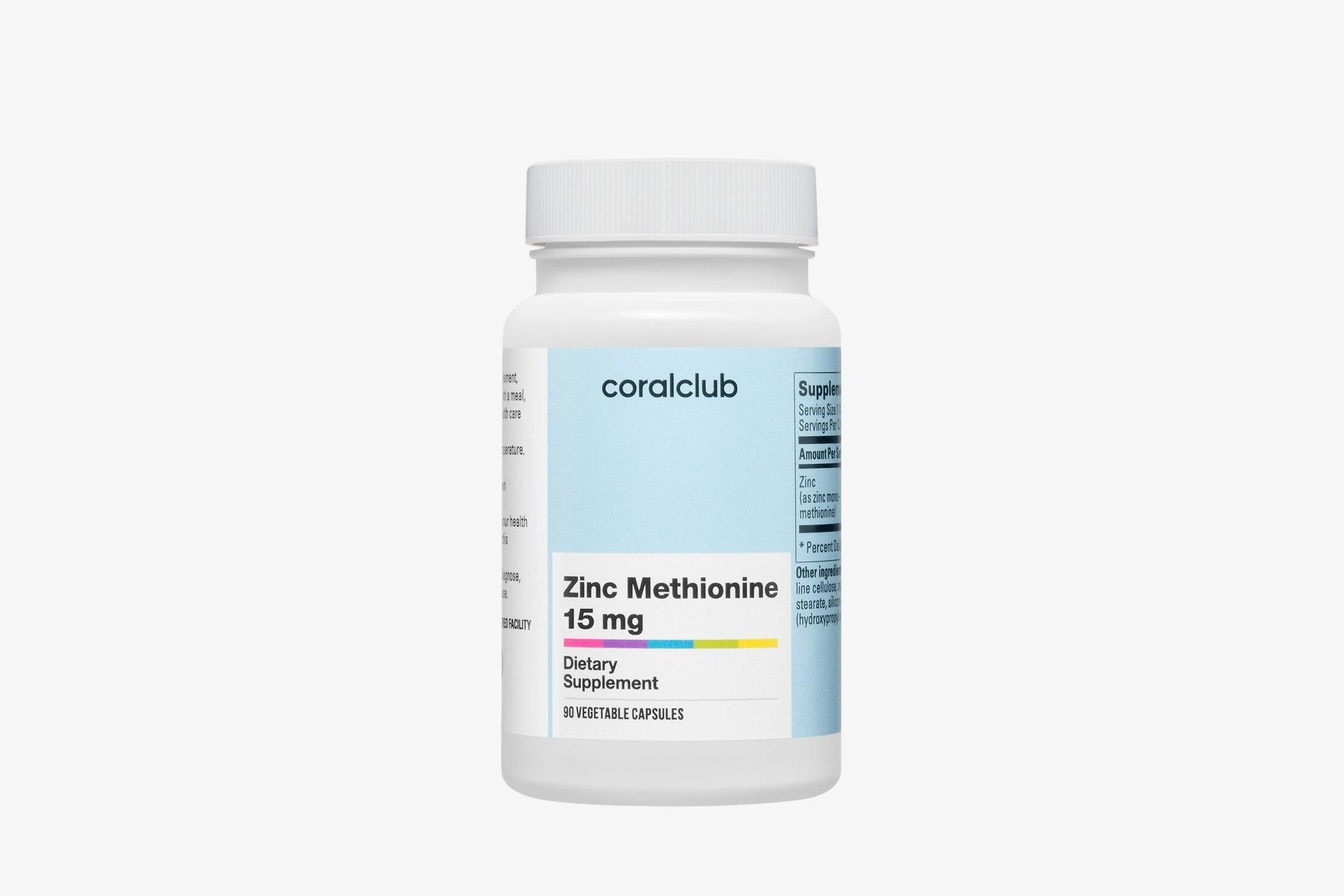
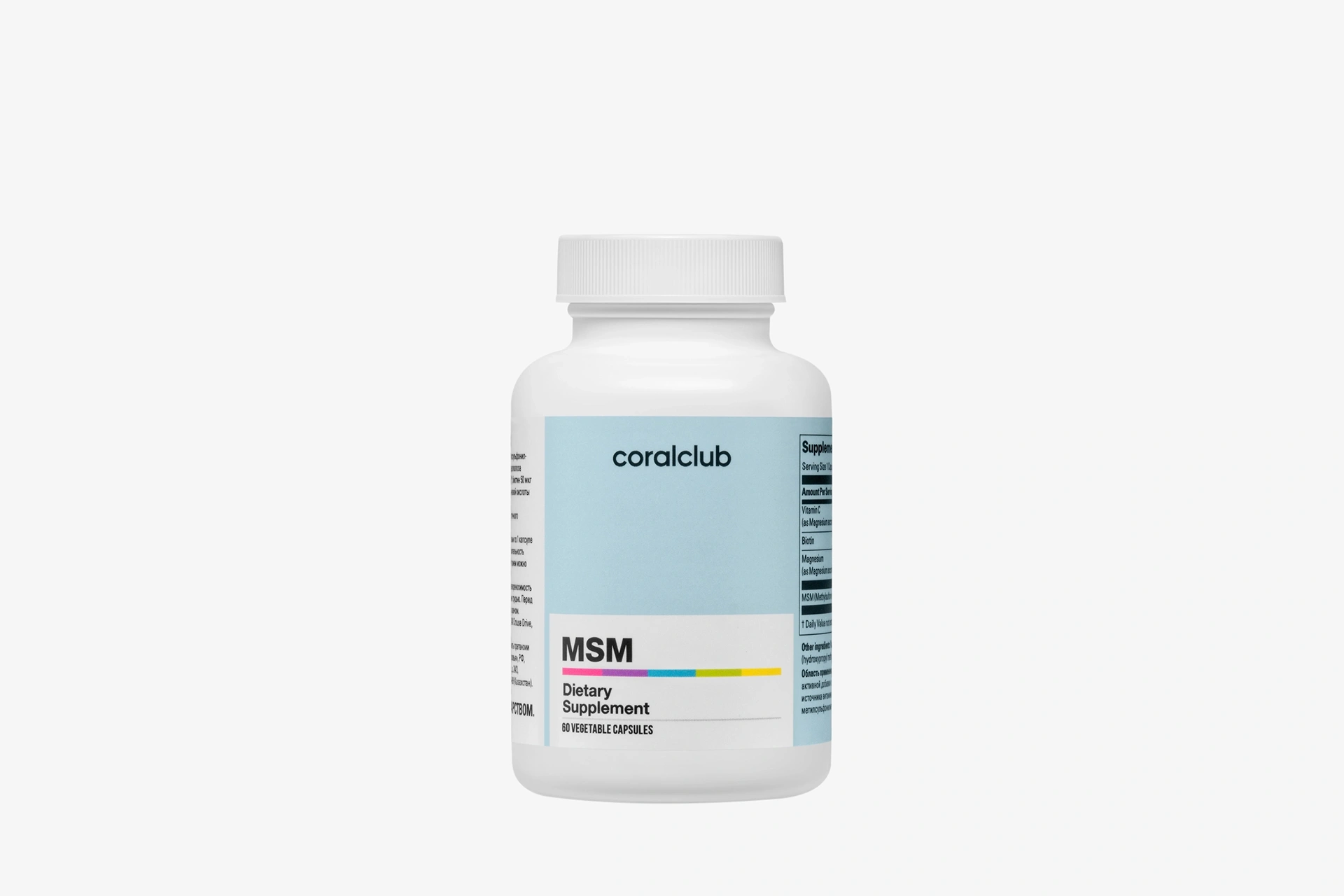
Once the internal environments are cleansed, the skin requires elements for renewal. Zinc acts as one of the key minerals in dermatology. It participates in regulating sebaceous gland activity, reducing the likelihood of clogged pores, and promotes rapid regeneration of micro-damages. In synergy with bioavailable sulfur (MSM), which forms keratin bonds, zinc restores the natural matte finish, density, and elasticity of the epidermis.