Article

Internal Ecology: Natural Rhythms of Deep Cleansing

The modern environment and daily dietary habits inevitably leave a mark. The hidden presence of unwanted elements depletes protective resources for years, draining energy. An overview of how to conduct an ecological general cleanup of the internal environment and regain a feeling of lightness.

Coral Club Experts 11.09.2021 3 min read
Internal Ecology: Natural Rhythms of Deep Cleansing

Invisible Neighbors

It is generally assumed that the disruption of internal ecology due to the penetration of foreign agents is a consequence of poor hygiene. However, statistics from global organizations suggest otherwise: millions of people daily face this hidden burden, regardless of status or standard of living.

Raw fish in premium restaurants, fresh farm vegetables, and contact with pets are all natural ways of interacting with the world that carry risks. Unwanted elements possess perfect masking mechanisms.

Residing in the internal environment for years, they do not manifest directly. Instead, they methodically consume valuable nutrients, leaving behind by-products that overload filtering systems and suppress natural defenses.
Signals of Hidden Burden

The body cannot directly point to the cause of discomfort, but the problem is broadcasted through secondary signs:

  • Sudden and atypical reactions to familiar foods or external stimuli.

  • Loss of energy, waking up without feeling fresh, and restless sleep.

  • Regular discomfort in the digestive tract, disruption of the cleansing rhythm, and bloating after meals.

Popular Questions About Penetration Routes

Many popular dishes, such as rare steaks, cured meats, lightly salted caviar, or river fish, often do not undergo sufficient processing, preserving risks to the internal environment.
Yes, pets, even those not going outside, come into contact with shoes or outerwear, becoming carriers of microscopic agents.

The Strategy of Clean Pathways

Attempts to resolve the issue using radical, aggressive methods often lead to the opposite effect. Harsh impact creates a colossal burden on the filtering systems. A competent approach requires preparation and consistency.

The natural process of washing and cleansing

The key stage is working with the digestive tract. This is where the main absorption of water and nutrients occurs. If the walls are covered with a dense layer of waste, toxic elements continuously circulate through the internal environment, poisoning it from the inside.

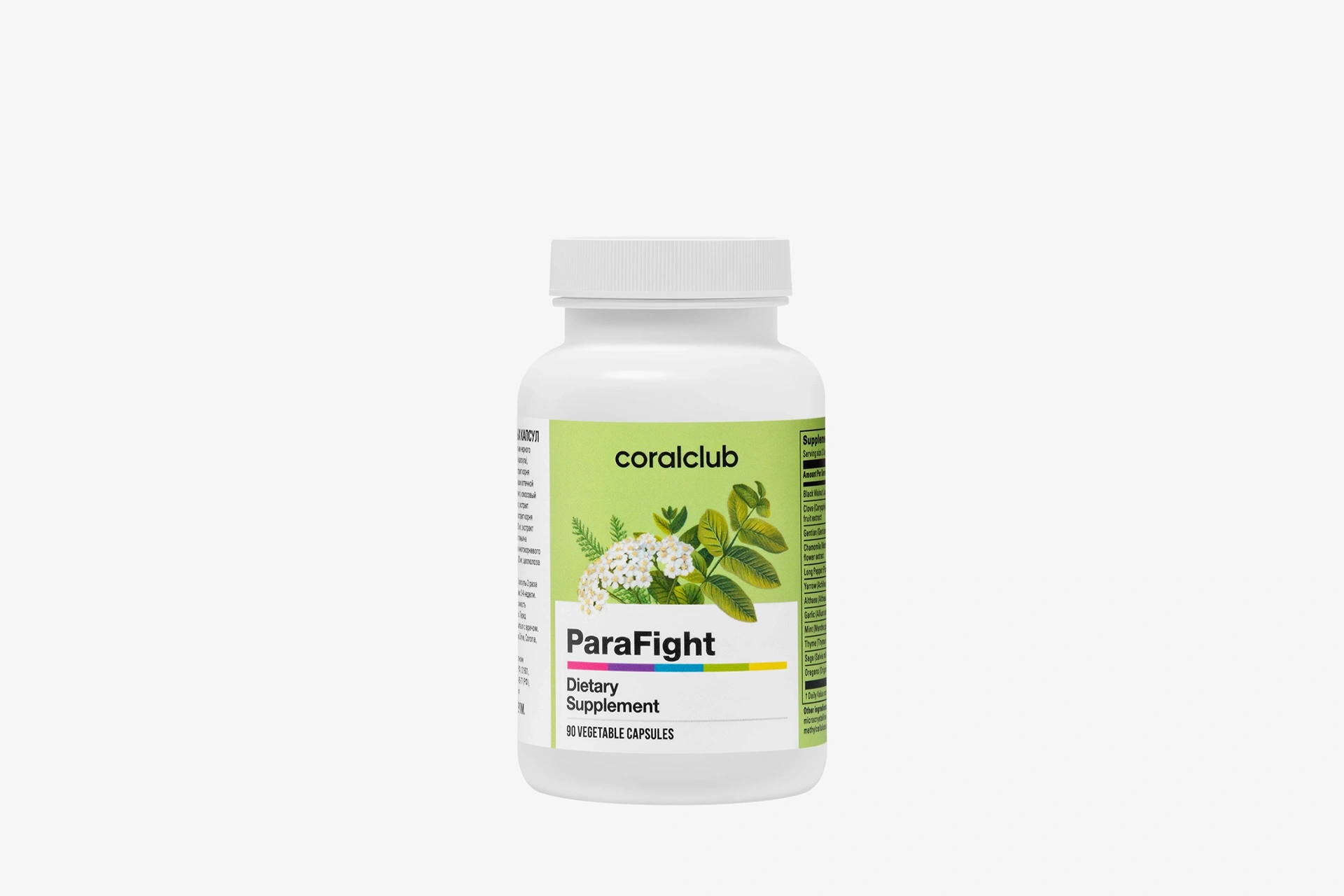
Natural cleansing implies creating conditions in which foreign agents become uncomfortable. Gentle plant bitters force them to leave their usual places, while sorbents carefully collect and remove all debris, renewing the absorbing surface.

General Cleanup Algorithm

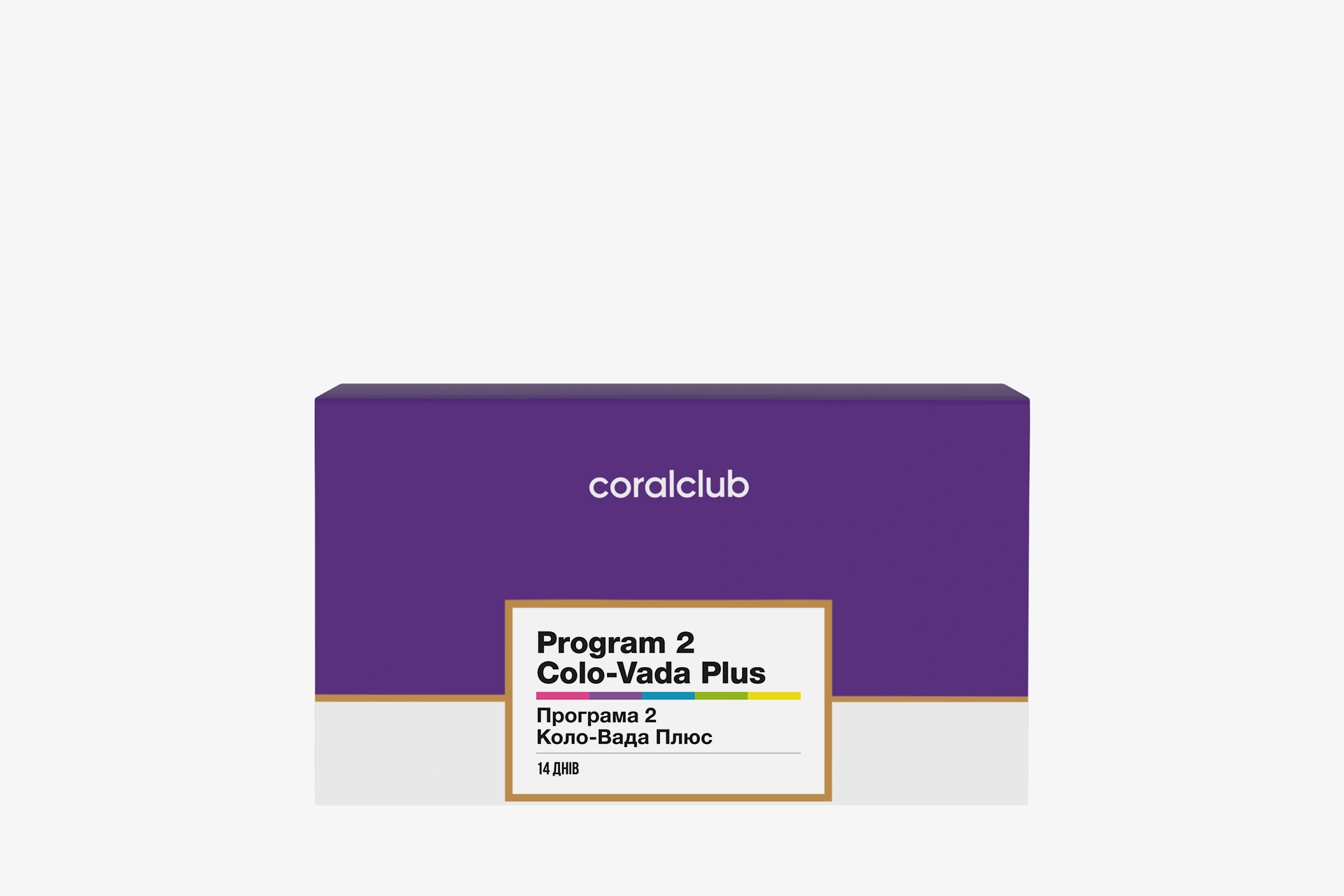
Safe cleansing is built on three fundamental stages that cannot be swapped.

01

Preparing the Environment

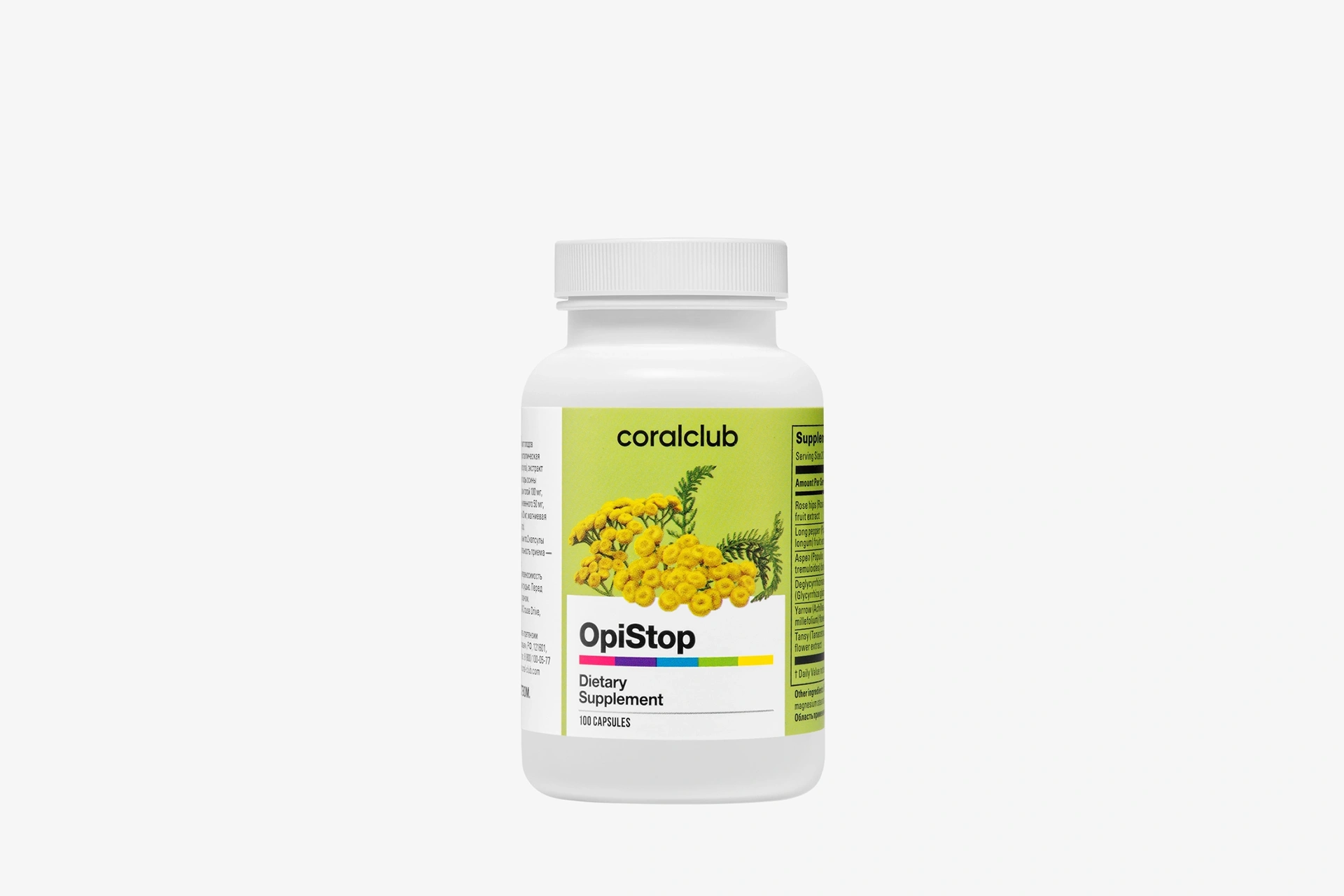
Changing the diet and using plant extracts (aspen, tansy) to create uncomfortable conditions for unwanted elements and prepare for their removal.

02

Deep Absorption

Applying natural sorbents (e.g., kaolin) that swell and, like a sponge, gently cleanse the tract walls.

03

Resource Restoration

Populating the renewed environment with friendly bacteria and replenishing mineral deficiencies to consolidate the result.

Discipline During Cleansing

The success of the program largely depends on maintaining a proper diet.

Recommended

  • Increase the consumption of warm, bioavailable water to effectively flush out waste.
  • Give preference to thermally processed vegetables and light soups.
  • Add more dietary fiber to the menu to stimulate motility.

Avoid

  • Consuming any types of sugar and fast carbohydrates (the main food for foreign flora).
  • Including raw fish, rare meat, and unpasteurized dairy products in the diet.
  • Eating sweet fruits and yeast pastries.