Article

Ecology of Internal Environments: Supporting Fluidity and Natural Balance

The internal environment is a complex biochemical system where the balance and fluidity of liquids play a crucial role. When this balance is disrupted, discomfort arises and tension builds up over time. Understanding these processes helps safely support the natural rhythm of internal systems.

Coral Club Experts 21.12.2022 3 min read
Ecology of Internal Environments: Supporting Fluidity and Natural Balance

The Balance of Internal Environments

The main condition for the smooth operation of bodily systems is maintaining the optimal state of biological fluids. Fluids of the digestive and excretory systems must circulate freely, without causing discomfort. However, a lack of clean water, an excess of refined food, and a sedentary lifestyle lead to a disruption of the acid-alkaline balance.

In conditions of an acidic shift and dehydration, fluids thicken. Excess metabolic products lose their ability to dissolve optimally and tend to accumulate. Microscopic elements gradually form dense structures that create constant tension and heaviness.

It is important to understand that the formation of such tension is a systemic metabolic issue, not just local discomfort. That is why superficial solutions do not bring long-term results.

Risk Factors and Statistics

The data shows how heavily lifestyle affects the state of the internal environment.

80%

Impact of chronic bioavailable water deficiency on fluid thickening

90%

Risk of tension reforming while maintaining previous habits

The Illusion of a Quick Fix

An analysis of the main misconception about eliminating the problem.

Myth

Surgical intervention permanently gets rid of the discomfort and compaction problem.


Fact

Removing the consequences does not change the internal chemical balance. The process of thickening can continue in other ducts.

Markers of Loss of Fluidity

Internal systems signal a balance disruption long before the situation becomes critical:

  • Heaviness and pronounced discomfort after consuming fatty or heavy foods.

  • Chronic lack of energy, bitterness in the mouth in the morning, and emotional instability.

  • A tendency to form edema and a change in the usual rhythm of natural cleansing.

Natural Support Protocol

The algorithm for safe balance recovery requires patience, strict discipline, and a systemic approach.

01

pH Balance Support

Regular consumption of warm bioavailable water with antioxidants to change the pH level and soften dense structures.

02

Enzymatic Integration

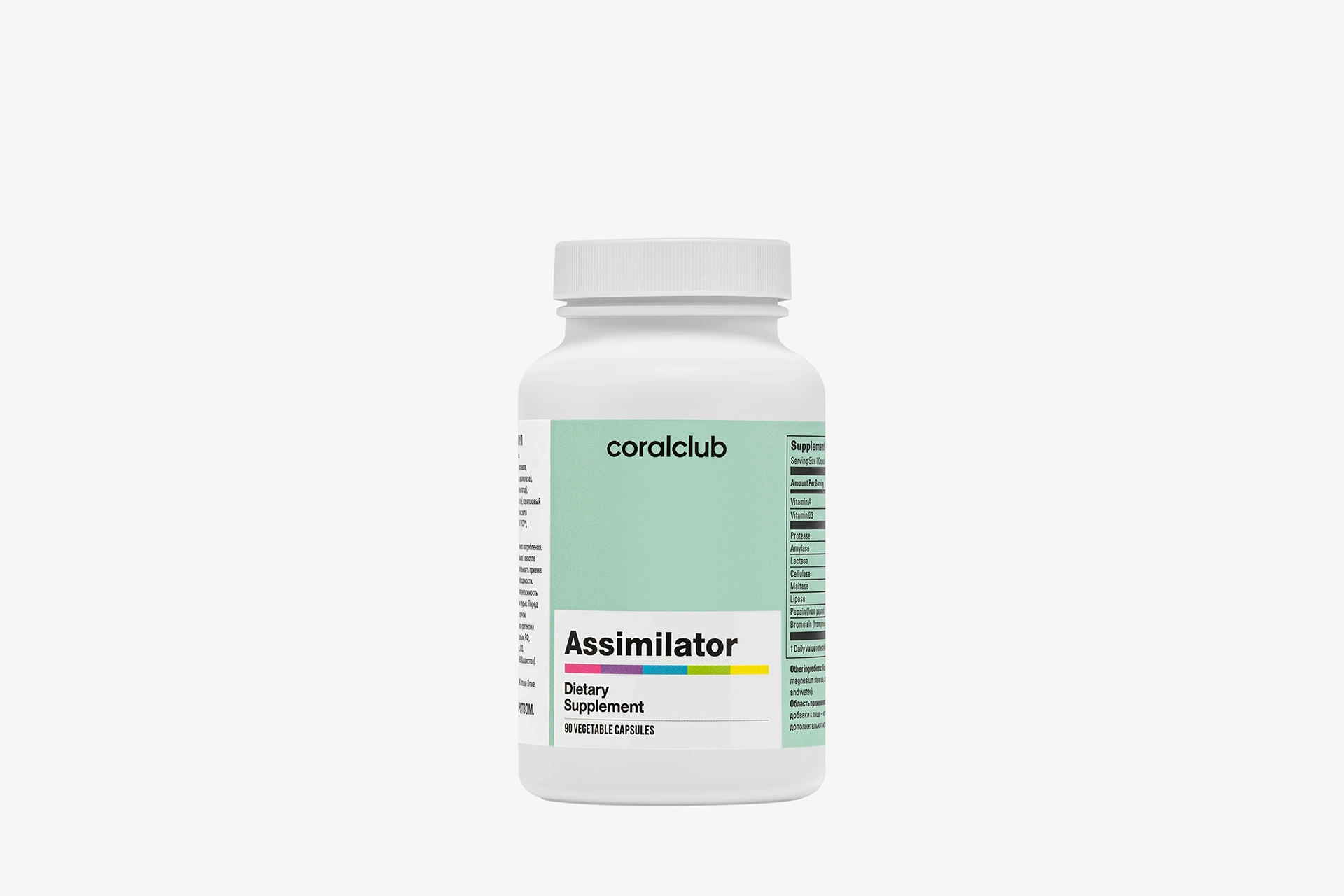
The introduction of powerful plant enzymes that act as safe biological catalysts for maintaining comfort.

03

Lipid Emulsification

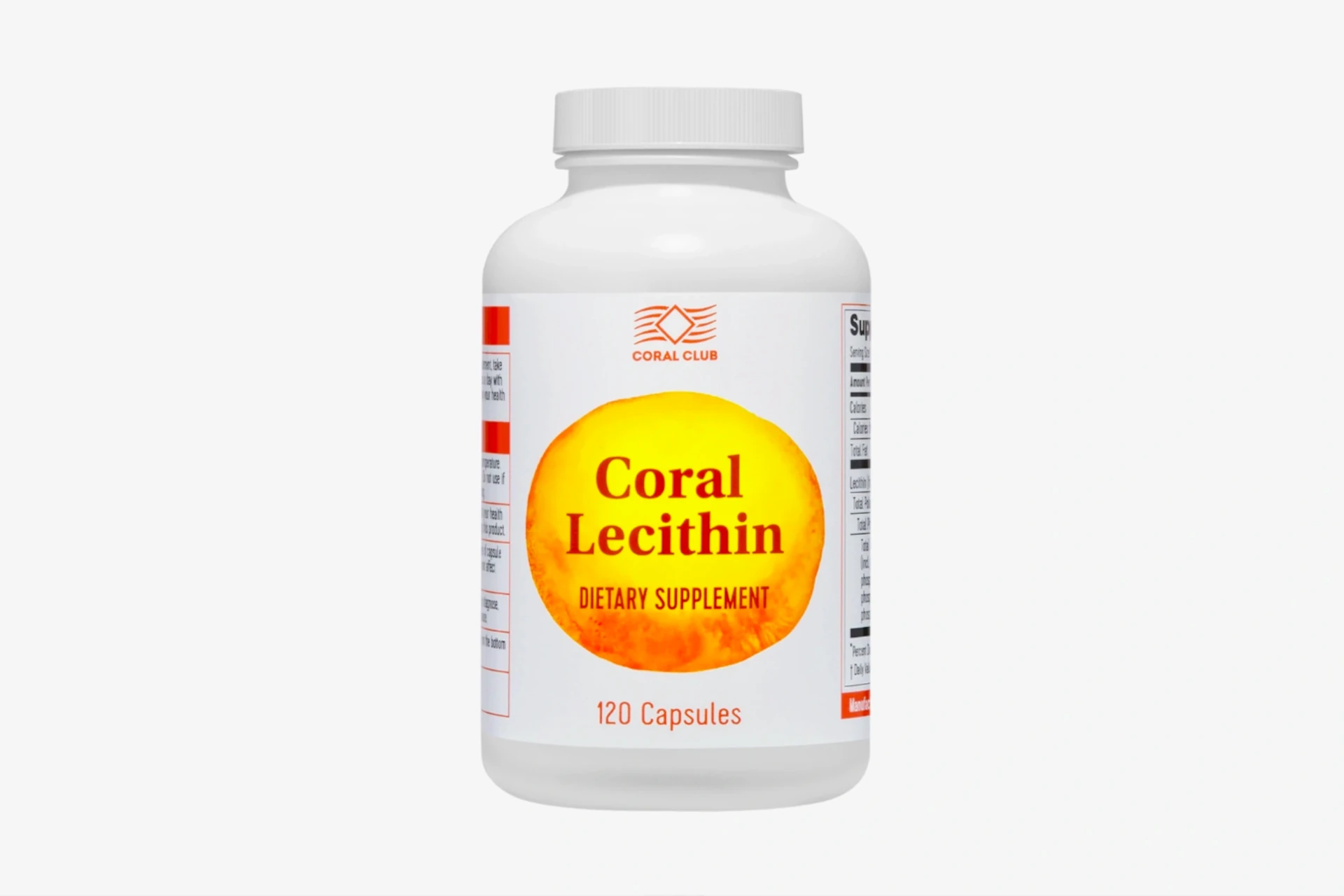
Using natural phospholipids (lecithin) to restore fluidity and protect against discomfort.

04

Gentle Circulation

Using targeted phytoextracts for the gentle stimulation of fluid movement and relieving tension.

Biological Catalysts

The process of restoring lightness resembles melting ice in a warm river. For the process to begin, it is necessary to create the right chemical environment. Plant enzymes take on this role.

Free movement of crystal clear water

Upon entering the internal environment, enzymes carefully work with complex food components. At the same time, they act as delicately as possible, without disrupting healthy mucous membranes.

Simultaneously, lecithin acts as an emulsifier: it maintains fatty components in the right state. Such synergy allows internal systems to gradually regain natural comfort.

Acid-Alkaline Balance Management

Without changing dietary habits, the support process will yield no sustainable results.

Recommended

  • Follow a strict hydration regimen: warm mineralized water every hour in small sips.
  • Enrich the diet with plant fiber, fresh vegetables, and light soups.
  • Maintain regular physical activity to avoid fluid stagnation.

Avoid

  • Consuming foods that provoke acidification: refined sugar, yeast, carbonated drinks.
  • An abundance of red meat, smoked products, vinegar, and marinades in the daily menu.
  • Long breaks between meals, which provoke the thickening of environments.