Article

Ecology of Hydration: Protocols for Creating a Bioavailable Internal Environment

Consuming a sufficient volume of fluid does not guarantee proper cellular nutrition. It is important to understand how the physicochemical properties of water affect metabolism and which hydration algorithms ensure maximum nutrient absorption.

Coral Club Experts 02.04.2018 3 min read
Ecology of Hydration: Protocols for Creating a Bioavailable Internal Environment

The Illusion of Quenching Thirst

The modern approach to maintaining internal balance often comes down to a mathematical calculation of liters consumed. However, the key role is played not by the quantity, but by the quality of the incoming fluid. The internal environment has strictly defined parameters: a slightly alkaline pH, a negative oxidation-reduction potential (ORP), and low surface tension.

Purified water from a filter or bottle has different characteristics. To deliver it into the cell, internal systems are forced to spend a colossal amount of energy adapting its parameters. If resources are insufficient, the fluid lingers in the intercellular space, failing to perform its main transport and cleansing function. This creates a paradoxical situation: tissues are overflowing with moisture, while there is a severe deficit at the cellular level.
Signals of Bioavailable Moisture Deficit

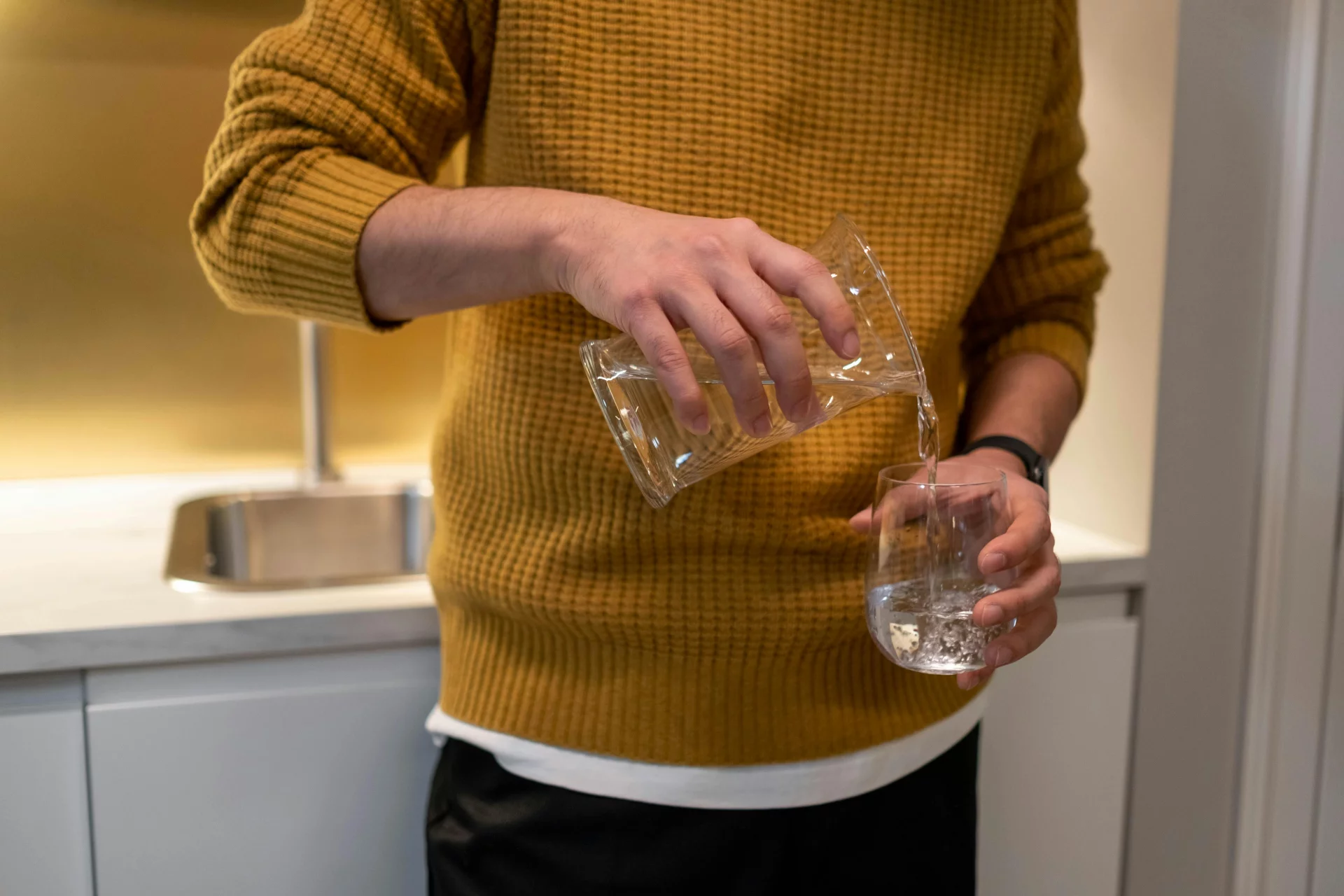
A lack of proper fluid manifests itself through systemic disruptions that are often mistaken for simple fatigue:

  • Morning congestion and a tendency to swell despite meeting the daily fluid intake norm.

  • A drop in energy levels in the afternoon, accompanied by a false sense of hunger.

  • A sluggish metabolic response when trying to manage weight, and decreased skin tone.

Basic Algorithm: Setting the Rhythm

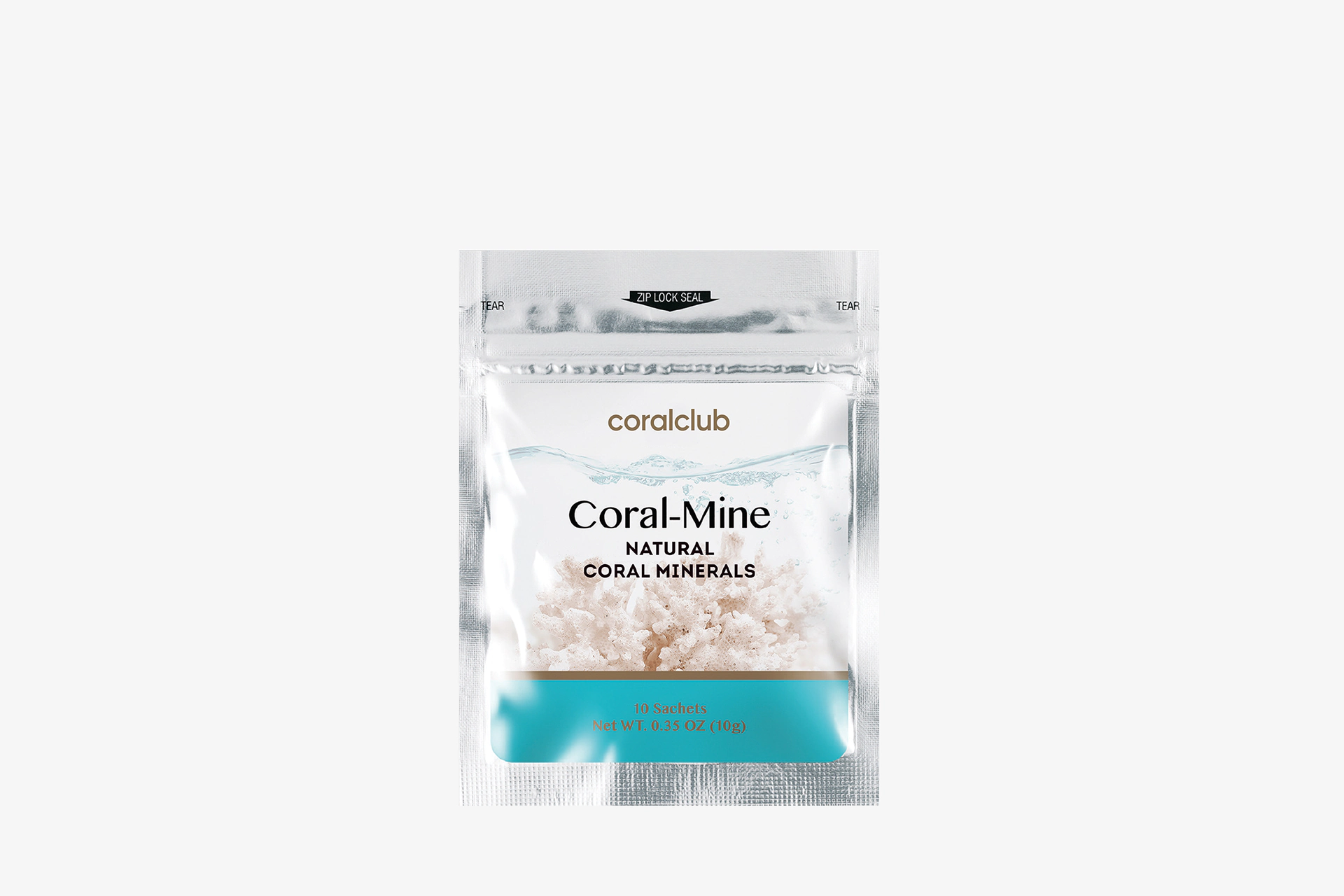
Daily use of the mineral composition optimizes the properties of water, making it physiologically akin to the internal environment. The preparation algorithm requires compliance with several rules:

01

Volume and Base

It is optimal to use 1.5 liters of clean (non-carbonated and unboiled) water. The ideal temperature for daily maintenance of water balance is room temperature or slightly warm.

02

Enrichment Process

One sachet is placed into the container. An important condition is a closed lid, which preserves active volatile components.

03

Exposure Time

A resting period of 5–7 minutes is enough for a full reaction and the transition of alkaline minerals into an ionic, bioavailable form.

04

Interval Rule

Drinking 1-2 glasses immediately upon waking helps kickstart internal processes. Throughout the day, water is consumed in portions 30 minutes before meals.

The Thermal Activation Method

During periods of high physical or psycho-emotional stress, climate changes, accumulation of metabolic waste, or a sharp drop in energy, detoxification systems require enhanced support. In such moments, the standard drinking regimen is not enough — an intensive internal drainage launch is required.

Preparation of warm bioavailable water

For emergency resource replenishment, the thermal activation method is applied. Heating clean water to 50–60°C (strictly without bringing it to a boil) multiplies the speed at which alkaline minerals transition into an active form. One sachet placed in a glass of such water (250–300 ml) creates a concentrated, slightly alkaline solution.

Sipped slowly, warm bioavailable water is absorbed instantly, as its temperature perfectly matches the physiological norm. It supports natural sweating, binds metabolic products, and provides powerful support to the excretory systems without energy costs for absorption.

Physics of the Process: FAQ

No. In warm water, the kinetic energy of molecules increases, the ionization process accelerates, and the fluid acquires the optimal oxidation-reduction potential much faster. Only boiling water (100°C) completely neutralizes these properties, which is why the method excludes the use of boiling water.
A slightly alkaline fluid consumed with food reduces the natural acidity of gastric juice, which is necessary for the proper breakdown of proteins. This can cause discomfort and disrupt the physiological digestive process.