Article

Microbiome and Immunity: The Ecology of Internal Environment

An entire invisible ecosystem exists within, working every second to maintain balance. It is not just about nutrient absorption; it is the foundation of vital energy and the primary shield against external factors.

Coral Club Experts 01.04.2023 3 min read
Microbiome and Immunity: The Ecology of Internal Environment

The Second Brain and Defense Headquarters

For a long time, the importance of microflora was underestimated. However, modern research confirms that the gut acts as a massive command center. This is where the vast majority of immune cells reside, undergoing daily "training" by recognizing beneficial and aggressive external factors.

The state of the internal environment correlates directly with the emotional background. The microbiome participates in the synthesis of crucial neurotransmitters, including serotonin. Therefore, stress resistance, concentration, and a stable mood begin precisely with comfort in the digestive tract.

Unfortunately, the modern pace of life, unbalanced diets, and high stress levels often disrupt this fragile equilibrium. Supporting these invisible helpers requires a systematic approach that goes beyond temporary measures.

Signals of Imbalance

Body systems always provide signals when the internal environment needs attention. It is important to notice these markers in time:

  • Regular feeling of heaviness and discomfort after usual meals.

  • A drop in overall vitality, lack of energy even after prolonged rest.

  • Dull skin tone, increased sensitivity, and a tendency for breakouts.

Interactive Assessment

A short interactive questionnaire helps to understand how efficiently the internal ecosystem is performing.

Clarifying Terminology

It is easy to get confused by the variety of modern solutions. Understanding the differences between key components helps build a proper support protocol.

Myth

Probiotics and prebiotics are the same thing, just a different name.


Fact

Probiotics are the beneficial cultures (microorganisms) themselves, while prebiotics are the high-quality nutrient medium (like fiber or inulin) necessary for their growth.

Myth

Microflora takes months to settle before showing any results.


Fact

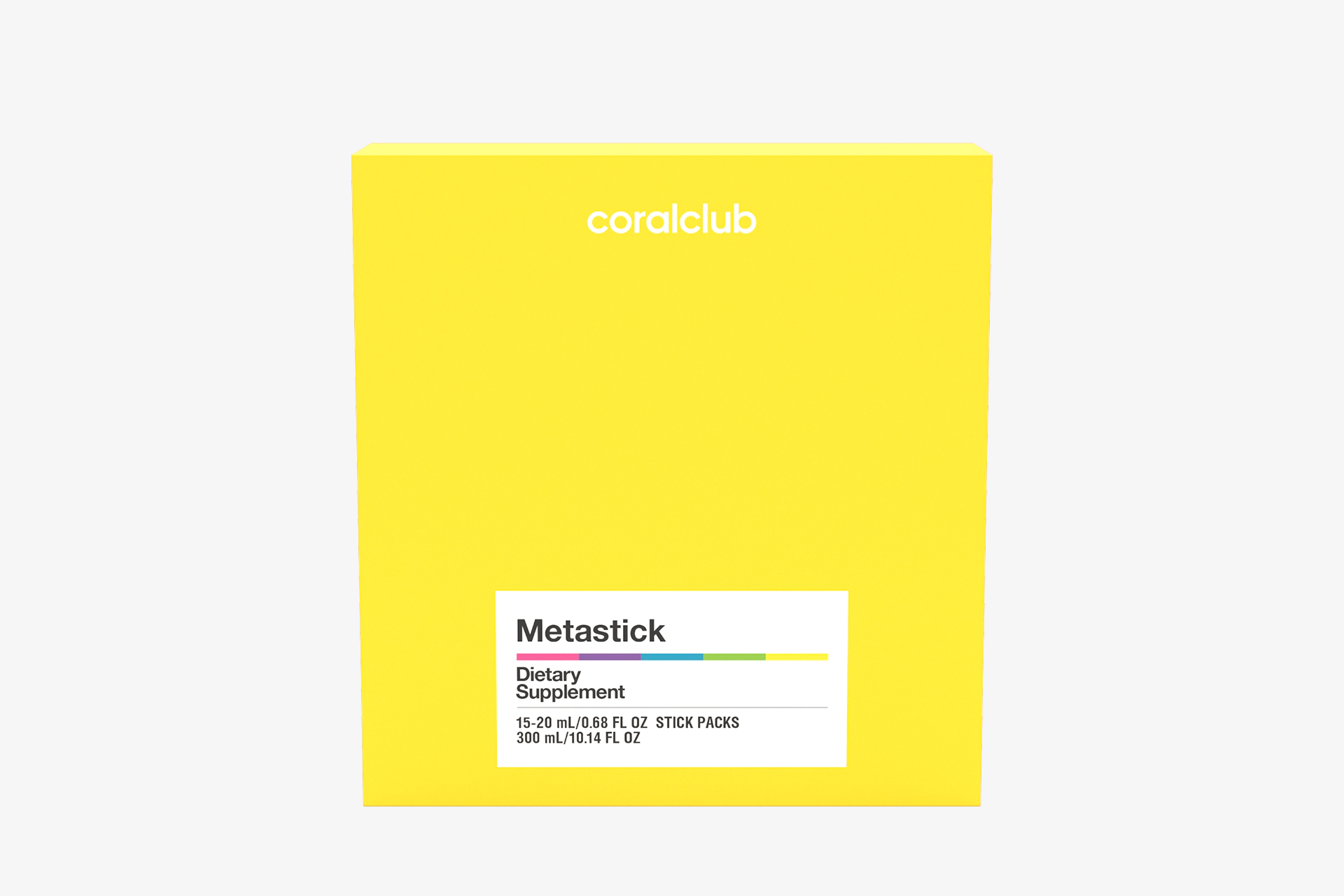
While full population indeed takes time, there are metabiotics—active byproducts of bacterial metabolism that begin acting immediately without waiting for activation.

Myth

Adding fermented foods to the diet is enough to cover all needs.


Fact

Fermented foods are helpful, but in cases of pronounced imbalance, concentrated, precise formulas are required for targeted support.

A Strategy for Comprehensive Restoration

Working with internal balance requires consistency. Trying to populate flora without prior preparation is like planting rare seeds in unprepared soil. The first priority is to create favorable conditions and relieve acute stress from the digestive tract.

Morning harmony and internal environment care

During the preparation stage, metabiotics are indispensable. They transit through the harsh stomach environment and immediately begin optimizing the acid-base balance. This creates an ideal foundation for the next step—introducing high-quality synbiotics.

Combining advanced solutions with proper hydration and nutritional adjustments ensures lasting results. When the internal environment is in harmony, the bioavailability of all nutrients improves, and the immune barrier functions smoothly and flawlessly.

Support Protocol

Three consecutive steps for digestive comfort and a strong defense system:

01

Rapid Relief

Using metabiotics for immediate optimization of the internal environment and gut preparation.

02

Population

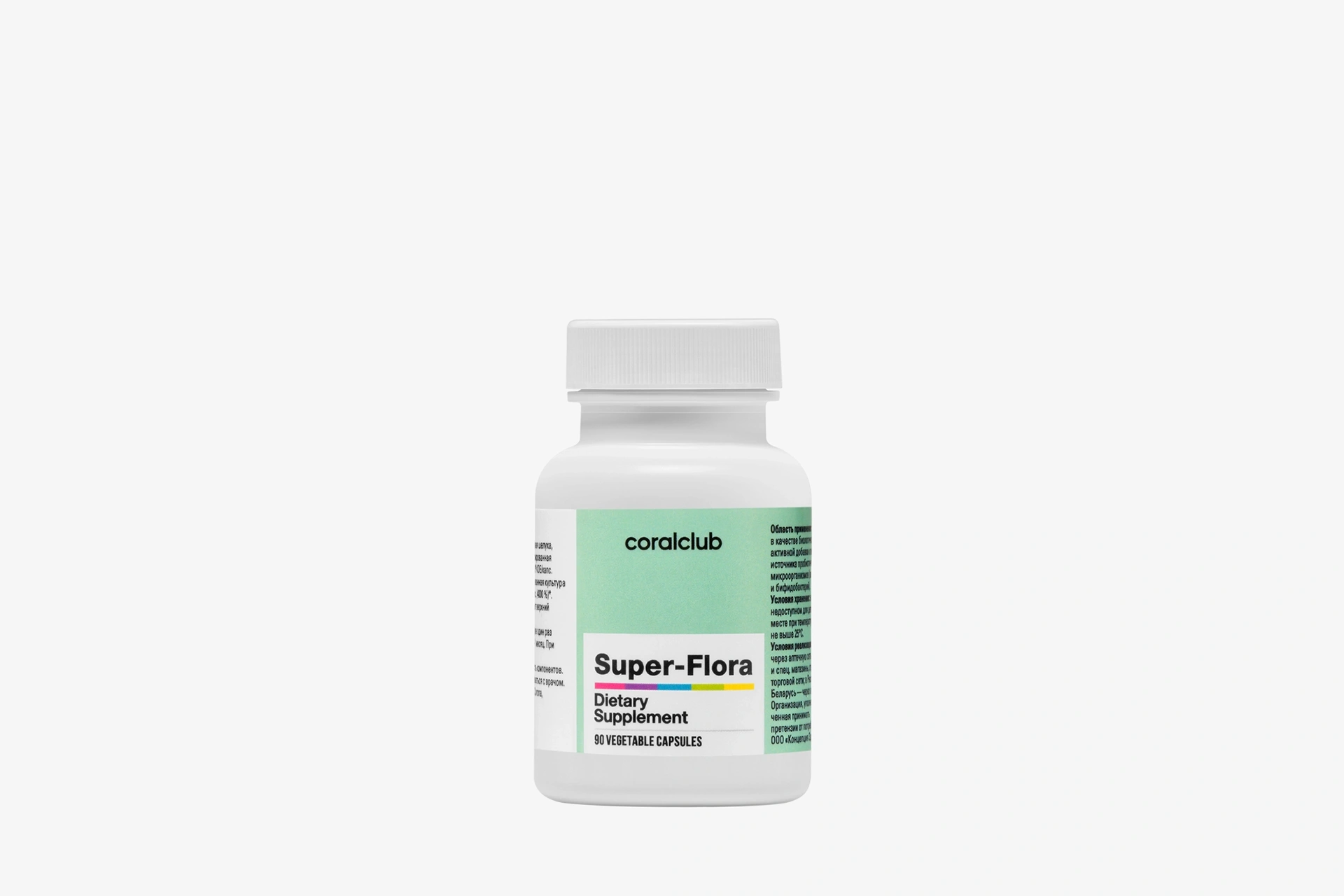
Introducing synbiotics (a combination of cultures and their nourishment) to build a stable balance.

03

Maintenance

Maintaining proper hydration, adding fiber to the diet, and taking regular care of the microbiome.