Article

Internal Ecology: How the Microbiome Controls Immunity and Energy Levels

Decreased vitality, a dull complexion, and increased susceptibility to external factors are often perceived as a consequence of stress or vitamin deficiency. However, the true control center of these processes lies much deeper. The digestive tract is not just a system for processing nutrients, but a highly complex internal ecosystem.

Coral Club Experts 03.07.2021 3 min read
Internal Ecology: How the Microbiome Controls Immunity and Energy Levels

The Gut-Brain Axis and Hidden Protection

Modern research proves that the gastrointestinal tract functions as an autonomous neural network. The bacterial community (microbiome) consists of trillions of microorganisms that are in constant symbiosis with the internal environment. They synthesize crucial neurotransmitters, directly affecting the emotional background, sleep quality, and cognitive abilities.

In addition to mood regulation, the gut acts as the primary line of defense. About 80% of all immune cells are concentrated in the mucous membrane of the digestive tract. When the bacterial balance is normal, this barrier flawlessly recognizes and neutralizes unwanted agents. But if the balance shifts towards unfriendly flora, protective functions critically decrease, opening the way for the accumulation of waste products.
Anatomy of the Microbiome: Q&A

The main risk factors are a diet with an excess of refined sugar (a breeding ground for fungi), a lack of soluble fiber, chronic stress, and the use of aggressive agents that destroy both unwanted and beneficial bacterial strains.
The skin is a reserve excretory organ. When digestion is impaired and the flora is imbalanced, toxins are not eliminated naturally but are reabsorbed into the bloodstream. This inevitably leads to aesthetic imperfections, dryness, and a decrease in epidermal elasticity.
Traditional food products are not always able to overcome the aggressive acidic environment of the stomach. Effective colonization of the intestines requires modern synbiotics—complexes that combine protected probiotic strains and a prebiotic environment for their nourishment.

Digestive System Audit

Assess the current state of the GI tract and find out if the microbiome needs additional support for proper nutrient absorption.

Ecology of the Intestinal Barrier

The intestinal wall normally acts as a reliable barrier, allowing only broken-down vitamins, minerals, and amino acids into the bloodstream. This protection is provided by tight cellular junctions and a protective layer of mucus populated by friendly flora. In intestinal lymphoid nodules, immune cells continuously "learn" to recognize foreign proteins.

Structure of the intestinal barrier and immune cells

With a lack of fiber and an excess of simple carbohydrates, the mucous layer thins out. A state of increased permeability is formed: undigested macromolecules enter the systemic circulation, causing a permanent immune response and depleting internal reserves. Restoring this barrier is a key step towards returning a high level of energy and stable resistance.

Microbiome Restart Algorithm

Restoring internal ecology requires a phased and systemic approach.

01

Environment Preparation and Hydration

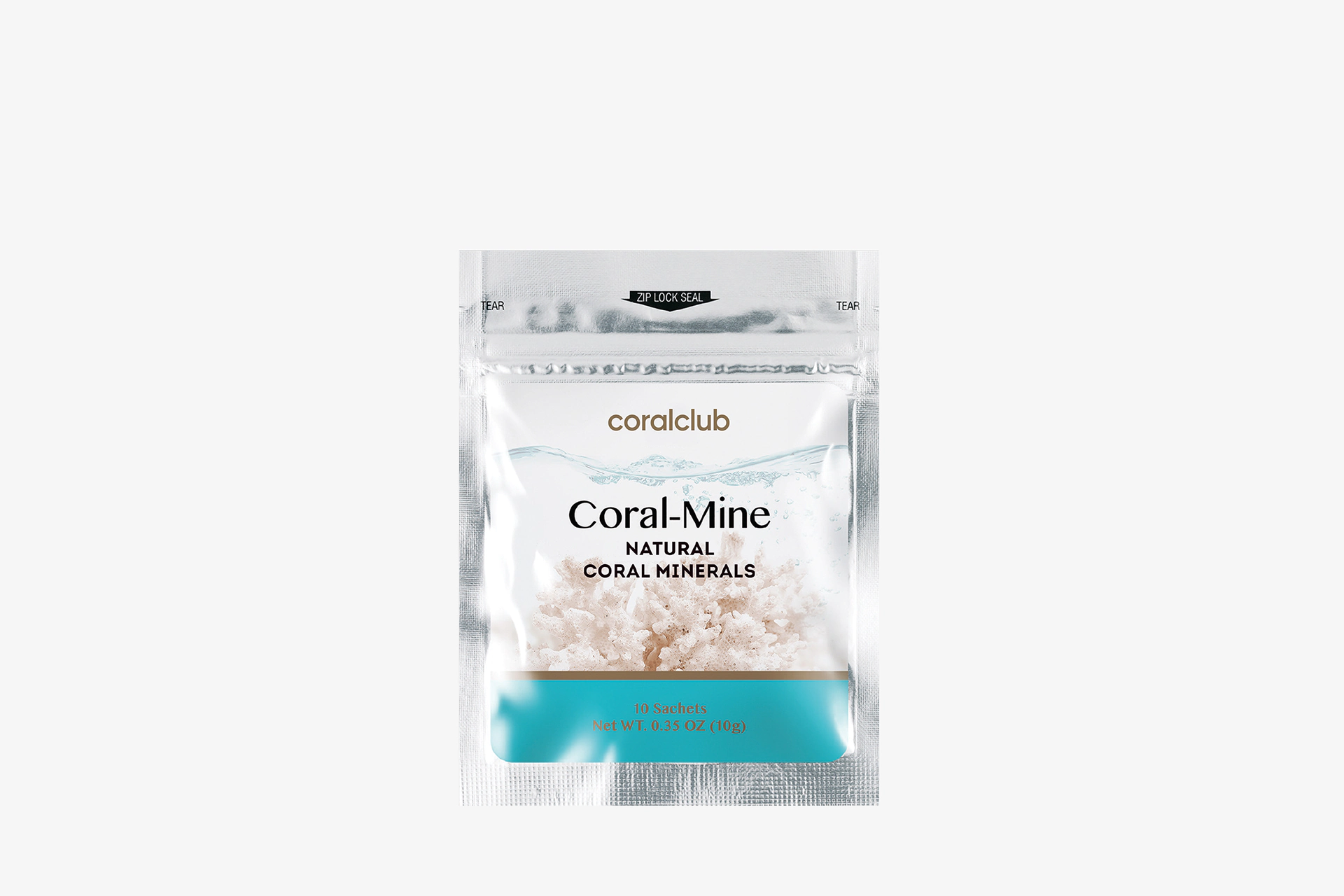
Establishing a drinking regimen using bioavailable water to gently eliminate water-soluble toxins and restore digestive tract motility.

02

Introduction of Beneficial Flora

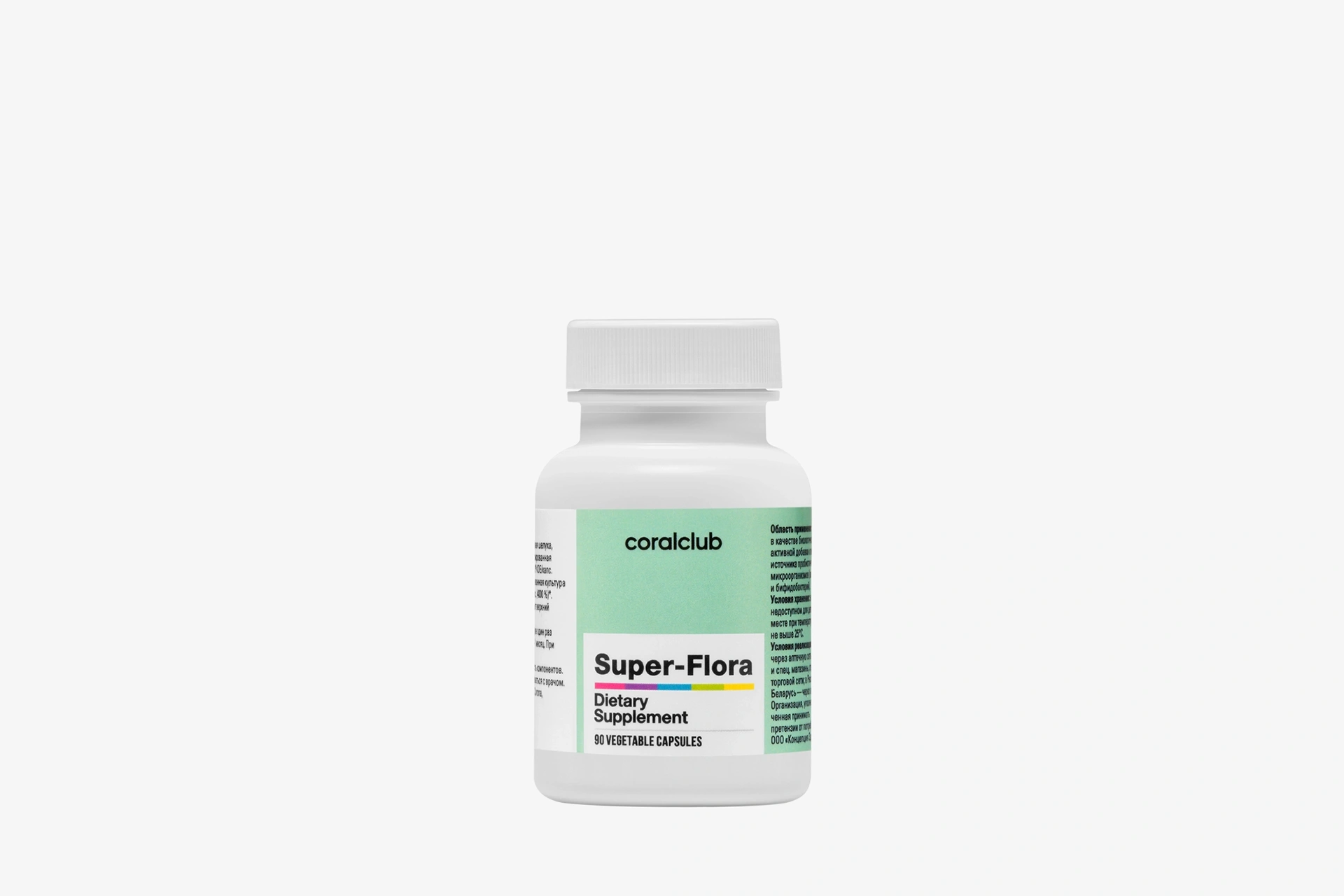
Populating mucous membranes with synergistic strains of lacto- and bifidobacteria with a high survival rate to create healthy competition for pathogens.

03

Nourishment and Support

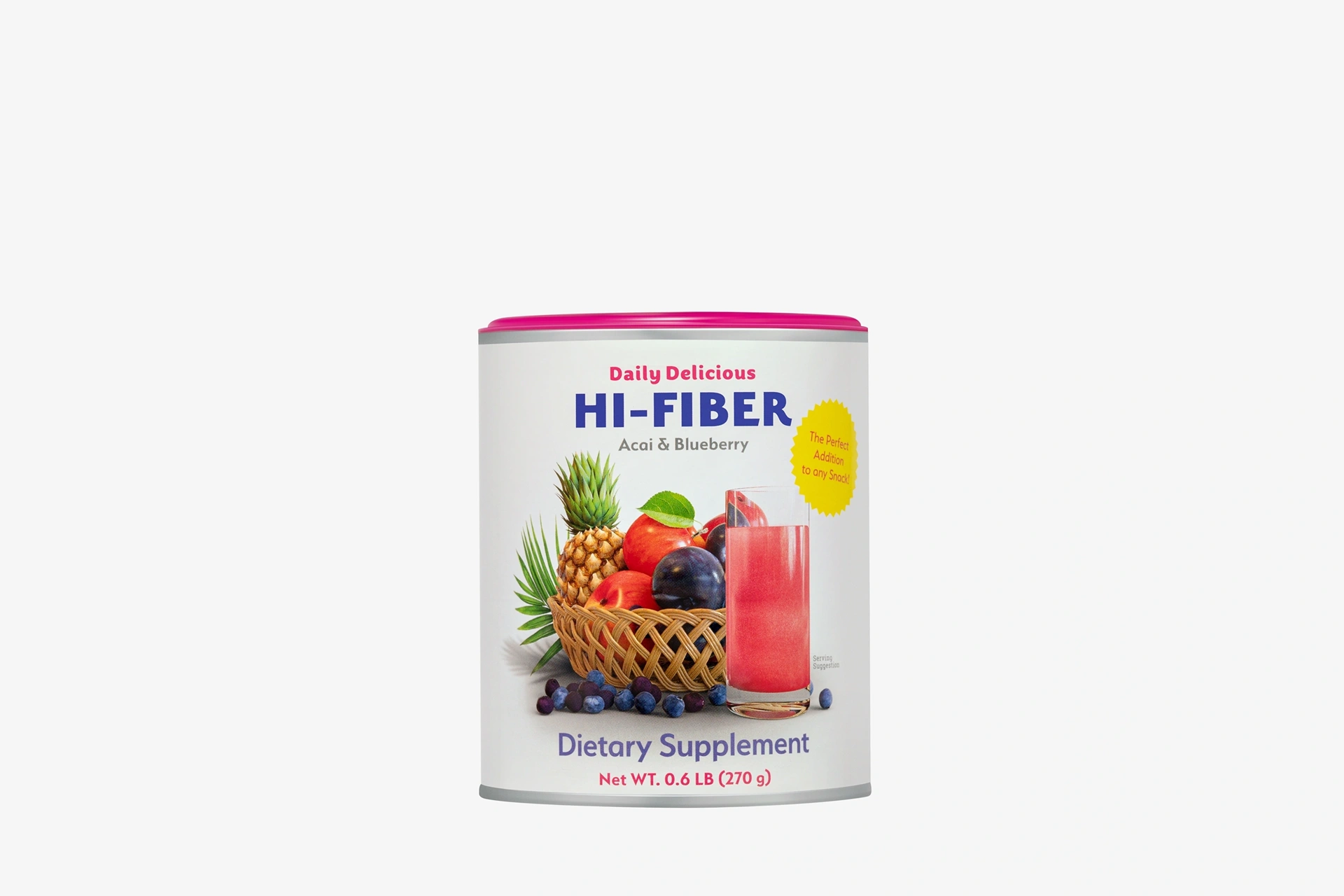
Providing new bacterial colonies with high-quality "fuel"—soluble and insoluble dietary fibers that stimulate their growth and consolidation.