Article

Restoring Internal Balance: Supporting the Body During Intense Anxiety

Sudden bouts of intense anxiety and loss of focus are signals of depleted internal resources. Let's explore a systemic approach to restoring the nervous system and regaining deep tranquility.

Coral Club Experts 07.09.2026 4 min read
Restoring Internal Balance: Supporting the Body During Intense Anxiety

The Biochemistry of Stress: What Happens Inside

Conditions of sudden, intense anxiety rarely appear out of nowhere. Most often, they are the result of long-term fatigue accumulation, disrupted circadian rhythms, and chronic emotional tension. In such moments, a sharp release of cortisol and adrenaline occurs, which is a natural but excessively amplified defense mechanism of the internal environment.

Regular exposure to these hormones depletes the nervous system. The body begins working at its limits, consuming its reserves of vital minerals and vitamins. When these resources run low, even a minimal trigger can cause a systemic imbalance, manifesting as rapid breathing, tension, and a loss of concentration.

To return to a normal rhythm, it requires more than a temporary masking of discomfort; it demands deep, systemic restoration. The main focus should be on replenishing micronutrient deficiencies, normalizing sleep patterns, and supporting natural relaxation processes.
Overload Signals

During peak stress, the body sends clear physical signals indicating that its adaptive reserves are exhausted.

  • Accelerated heart rate and a feeling of intense muscle tension

  • Shallow breathing and a subjective sense of oxygen shortage

  • Internal trembling, disorientation, and an inability to maintain focus

The Ecology of Restoration

Daily habits directly affect emotional stability. Adjusting your diet is the first step toward reducing anxiety levels.

To Do

  • Support the microbiome: gastrointestinal health is directly linked to serotonin production
  • Maintain sleep hygiene: go to bed before 11:00 PM for optimal recovery
  • Maintain optimal hydration to assist in flushing out toxins

To Avoid

  • Simple carbohydrates and sugar: they trigger glucose and cortisol spikes
  • Excess caffeine: artificial stimulants deplete central nervous system reserves
  • Digital noise and heavy information load in the evening

Stabilization Protocol

A systemic approach to recovery requires sequential actions. This regimen helps smoothly regain control over emotions and energy.

01

Reducing Load

Eliminating sugar from the diet and minimizing stress factors to stabilize gastrointestinal function.

02

Relieving Tension

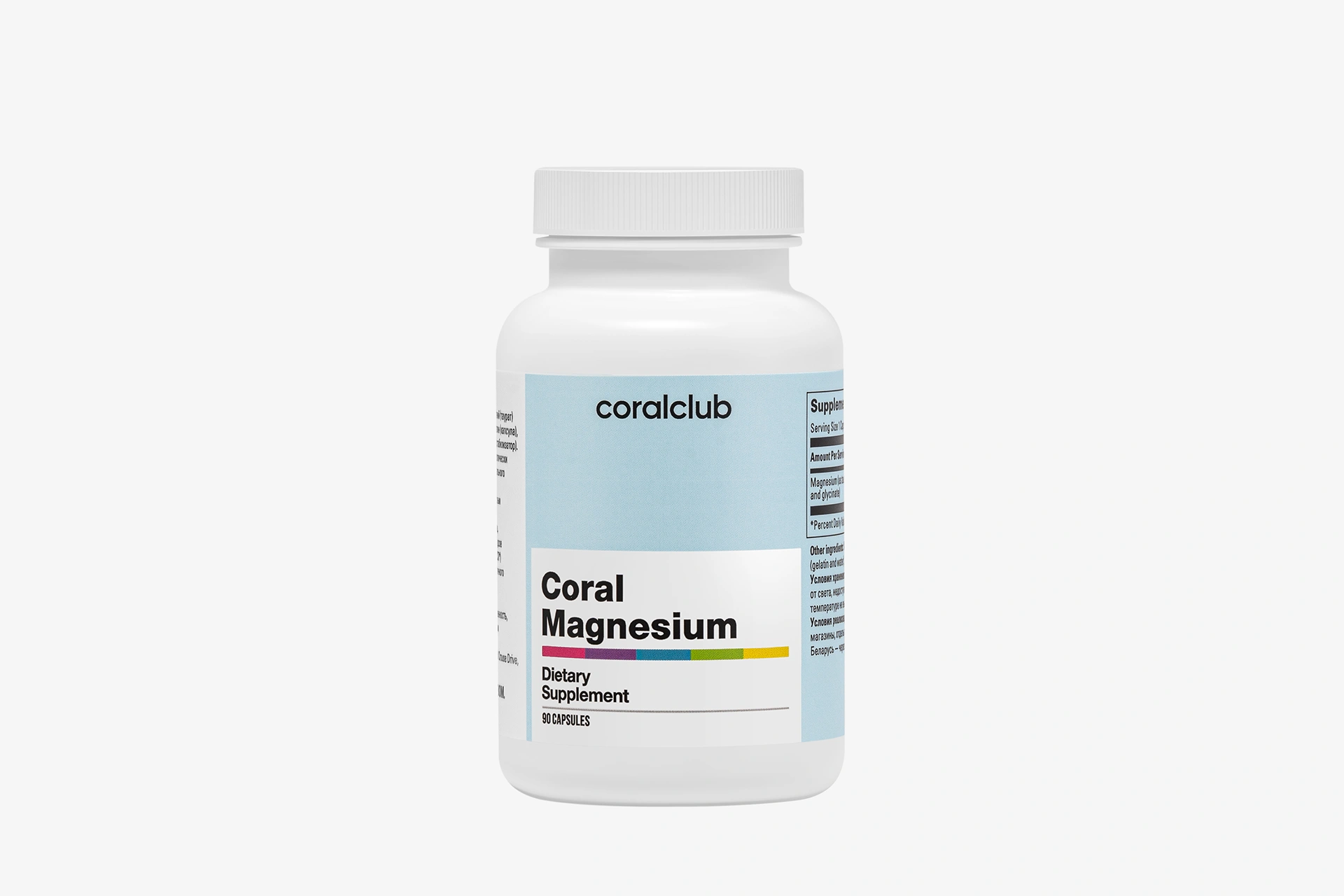
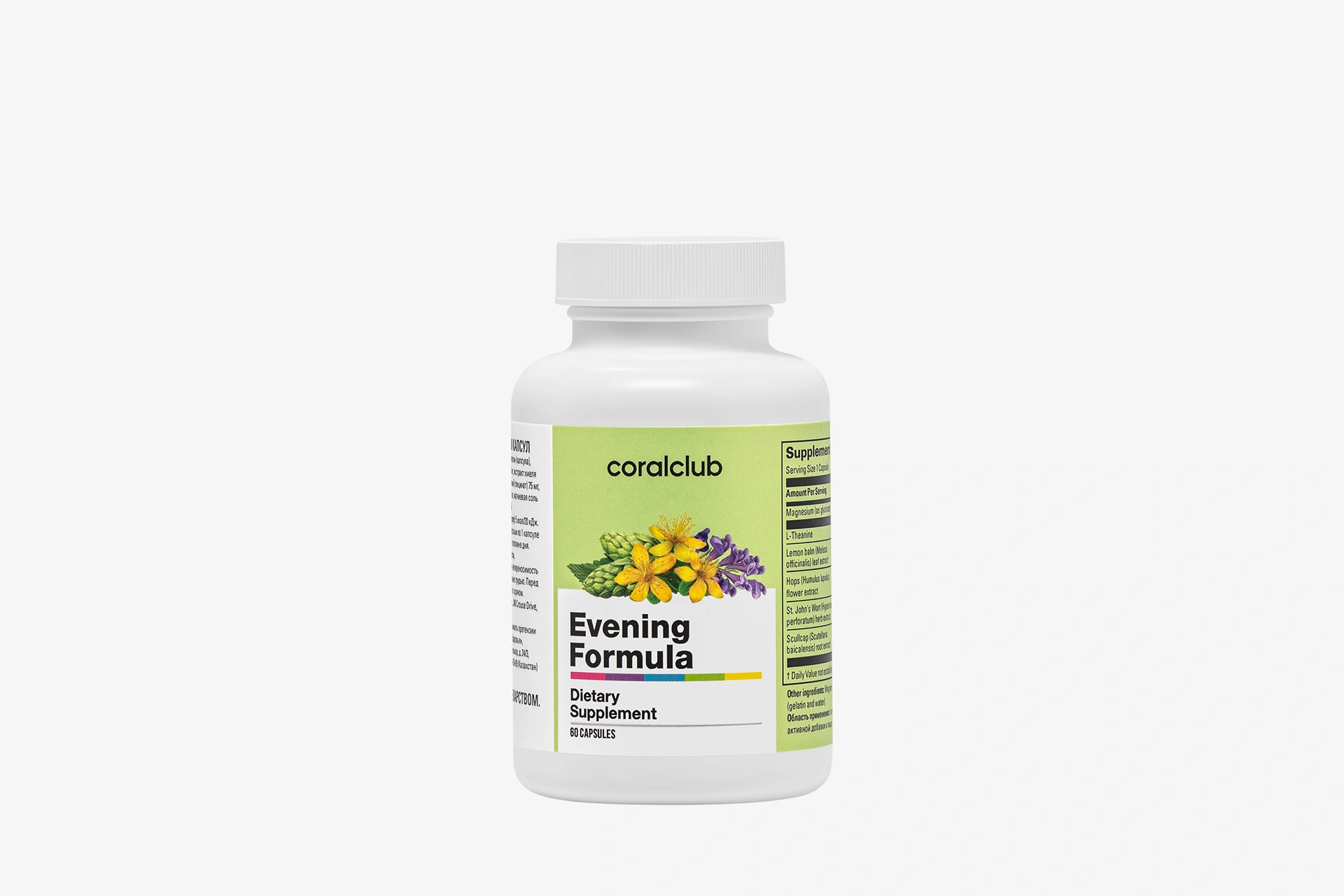
Supporting muscle relaxation processes and improving the quality of nighttime rest with magnesium and herbal extracts.

03

Nutritional Support

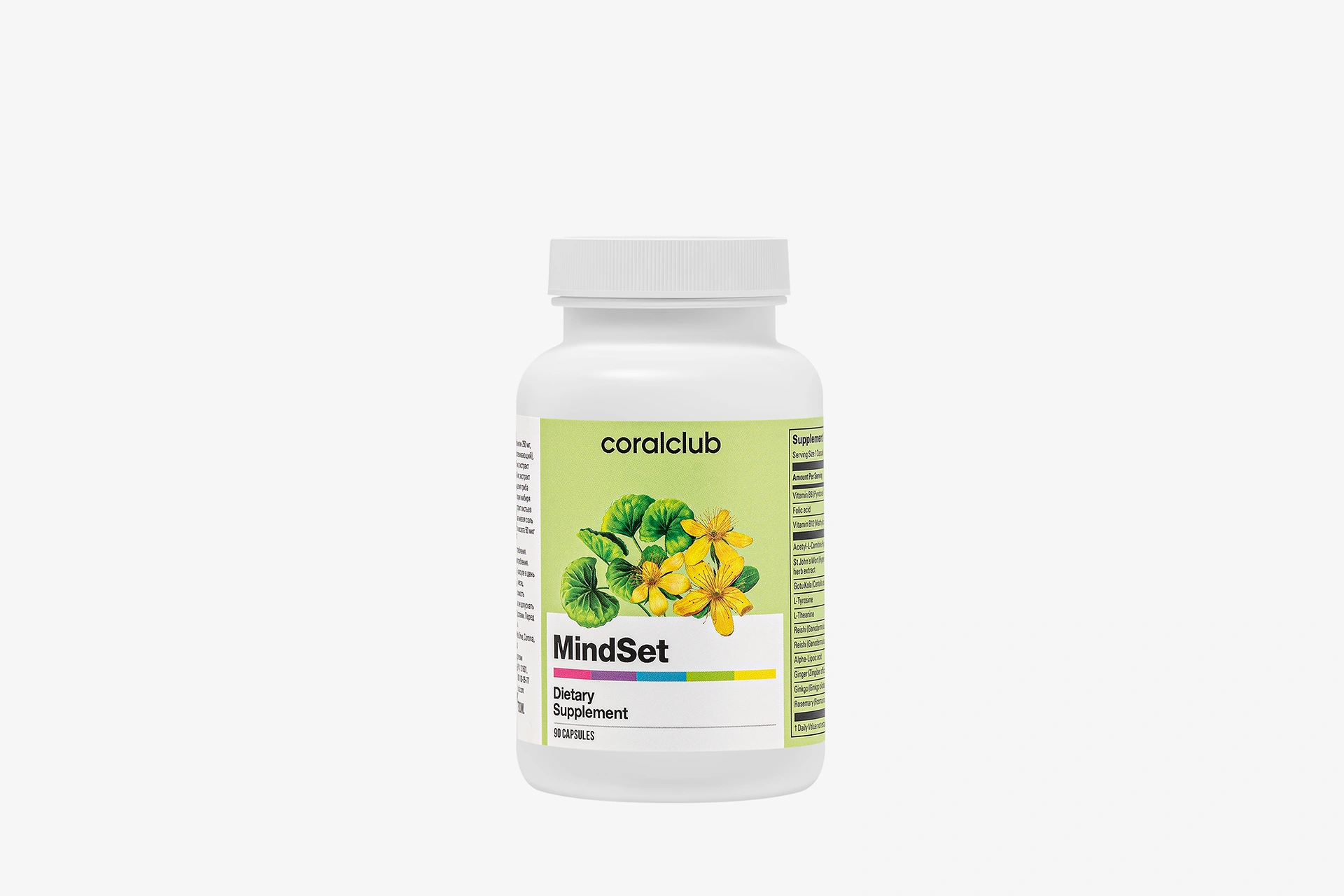
Deep nourishment of nerve cells, improving microcirculation, and protecting blood vessels for a stable nervous system.

The Energy of Focus: Brain Nutrition

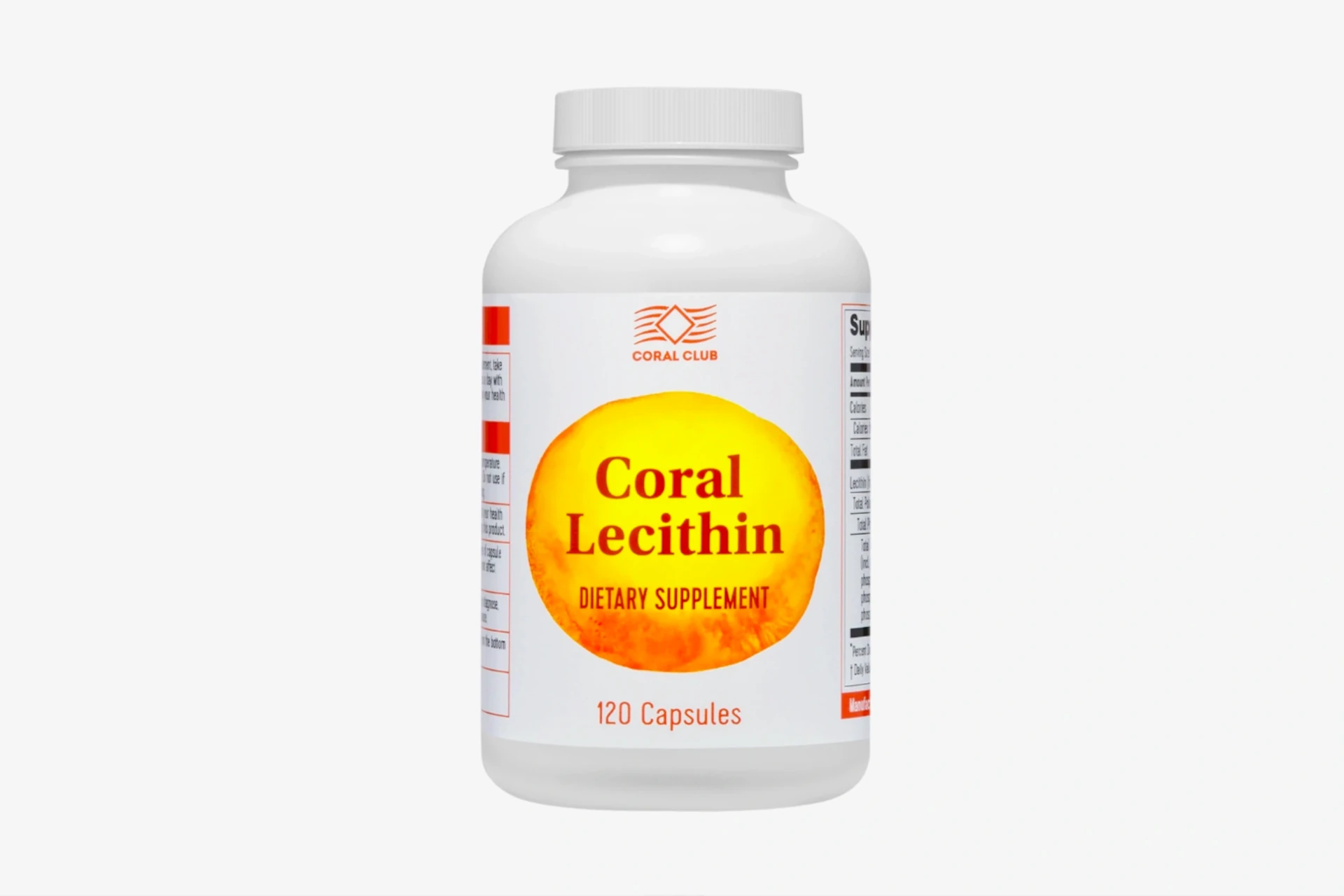
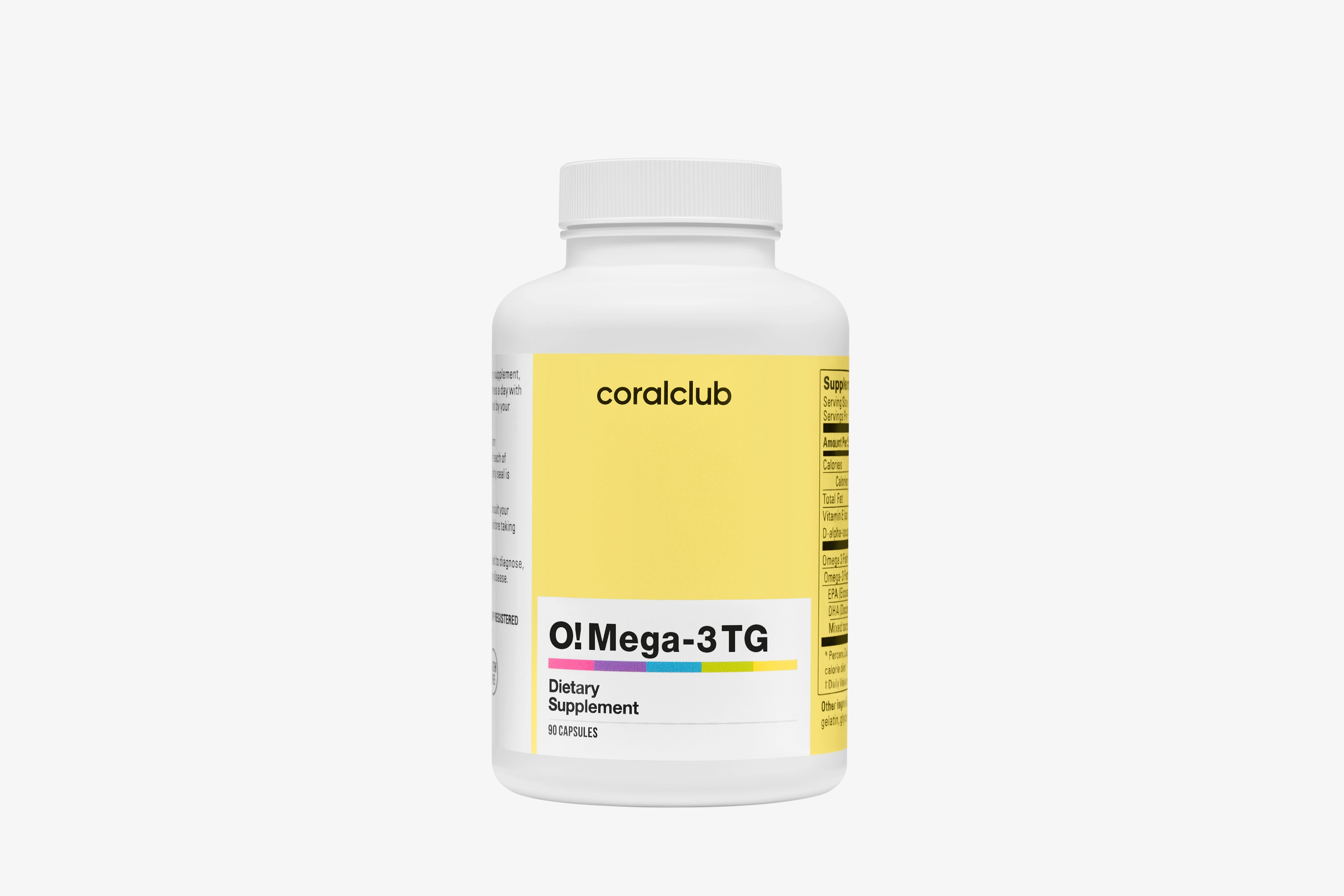
In addition to relieving acute tension, it is crucial to provide brain cells with high-quality building materials. Nerve fibers require lipids to maintain their protective sheath, which dictates the speed of impulse transmission. Without an adequate supply of healthy fats, the body’s response to stress becomes harder to manage.

Restoring internal focus and tranquility

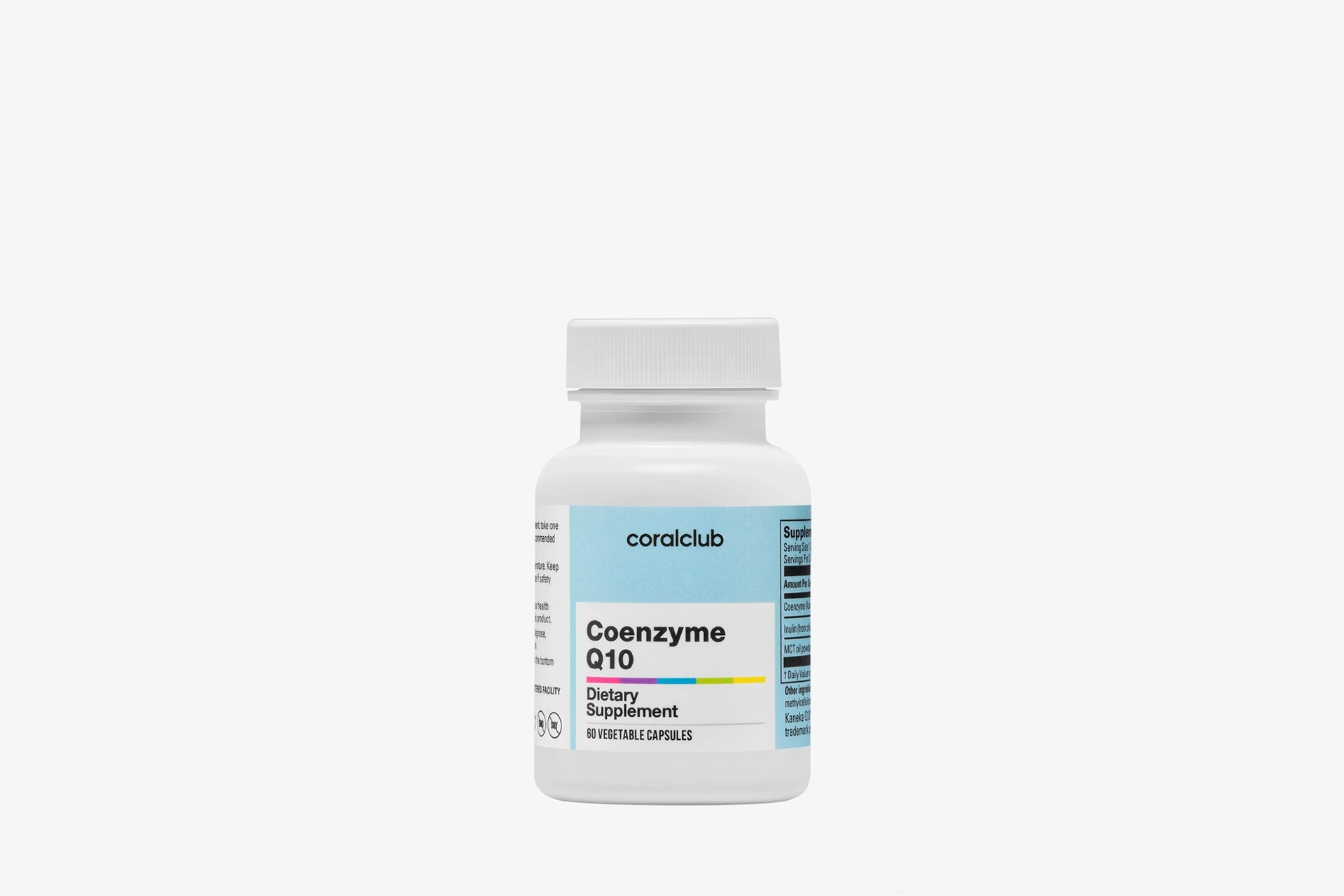
Furthermore, attention should be paid to cellular respiration. Improving the oxygen supply to tissues reduces fatigue and restores mental clarity. When cells receive enough energy, the body handles information overload much more efficiently and remains resilient in unpredictable situations.

It is the synergy of proper fats, antioxidants, and adaptogens that builds a solid foundation, allowing you not just to block anxiety, but to live fully while maintaining high energy and a clear mind.