Article

Visual Sharpness: Support and Protection in the Digital Age

Nature did not adapt the visual apparatus to hours of focusing on glowing smartphone and monitor screens. Timely support helps protect tissues from digital fatigue and replenish the deficit of key elements.

Coral Club Experts 24.08.2017 3 min read
Visual Sharpness: Support and Protection in the Digital Age

The Price of the Digital Era

Historically, the visual system was formed to assess perspective and react to changes in natural lighting. Today, most of the time the focus is directed at objects located no more than half a meter away. This leads to colossal overexertion of structures, for which there are no natural barriers.

One of the main modern loads is HEV radiation — the intensive "blue light" from screens. It is capable of penetrating deep into tissues, causing premature depletion of light-sensitive elements. Regular exposure to this spectrum accelerates age-related changes and reduces natural protective pigment reserves.

A decrease in sharpness, a feeling of sand, and rapid fatigue are not always an irreversible process. Most often, this is a direct signal of a deep deficit in structural elements and moisture. Maintaining functions requires not only external correction but also high-quality internal nutrition.
The Basis of Transparency

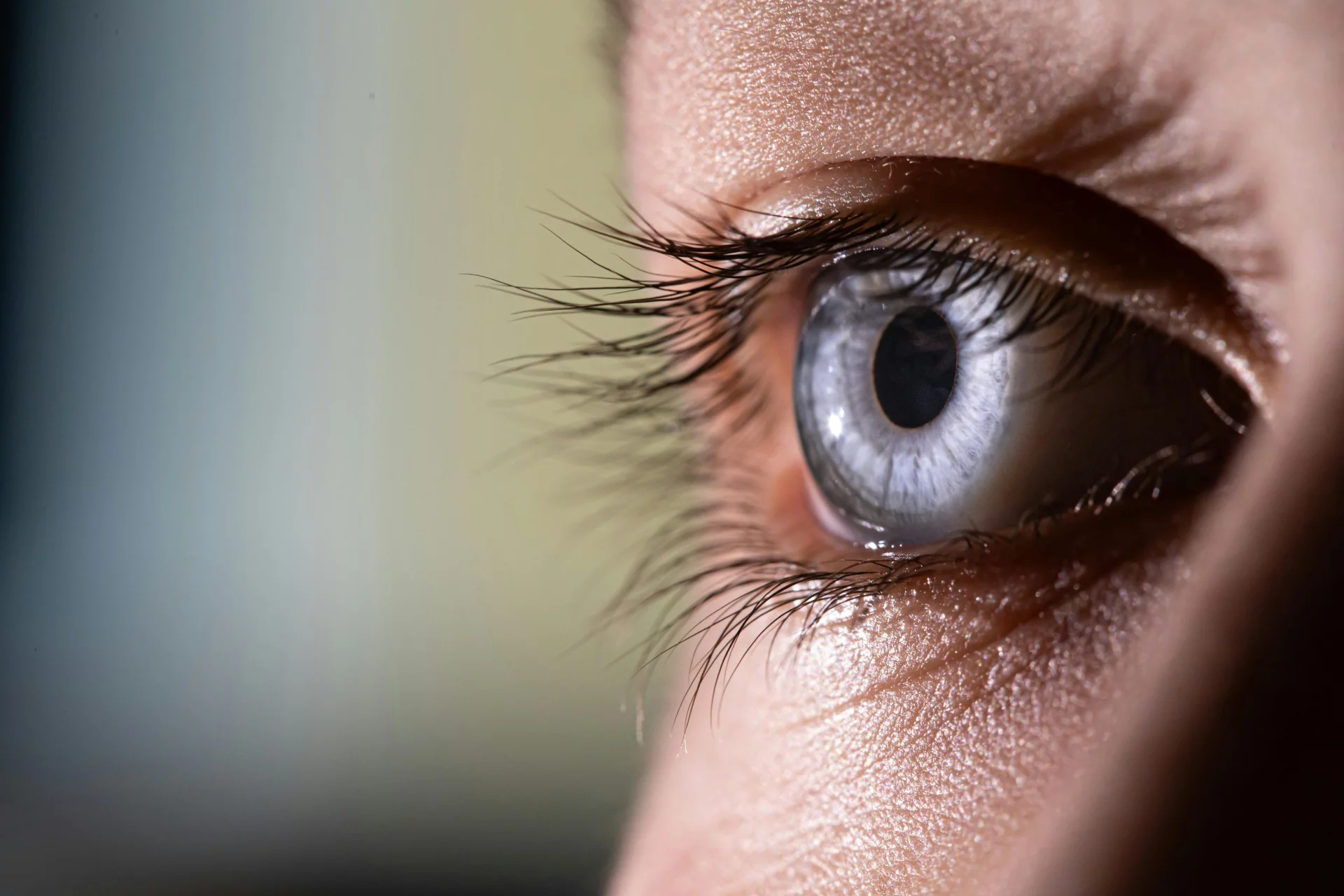
The vitreous body, which fills the inner part, has a unique structure, the quality of which determines the correct refraction of light.

99%

Moisture content in the vitreous body

Hidden Stress Factors

Conditions that daily reduce resources and lead to digital fatigue:

  • Exposure to screen glow, depleting natural protective pigments

  • Decreased elasticity of the smallest capillaries nourishing the tissues

  • Loss of moisture and disruption of the natural tear film integrity

Internal Protection Instead of Temporary Measures

When discomfort appears, the use of moisturizing drops is common. However, external hydration provides only a short-term effect without solving the basic need. The visual system is one of the most energy-consuming networks, permeated by a complex web of nerve fibers and microscopic capillaries.

Working at the computer and vision protection

To maintain normal microcirculation, vessels must remain elastic, and signals must travel without delay. Creating internal protection requires a systemic approach: replenishing stores of carotenoids (lutein and zeaxanthin) that act as natural filters, as well as providing tissues with polyunsaturated fatty acids.

Digital Vision Hygiene

Simple habits that will help relieve tension and preserve resources:

Must Implement

  • The "20-20-20" rule: every 20 minutes shift focus into the distance for 20 seconds
  • Conscious blinking when working with texts on a screen
  • Using warm lighting and blue light filters in the evening

Strictly Avoid

  • Using screens in complete darkness before sleep
  • Prolonged focusing without breaks for more than one hour
  • Ignoring a persistent feeling of dryness and tension