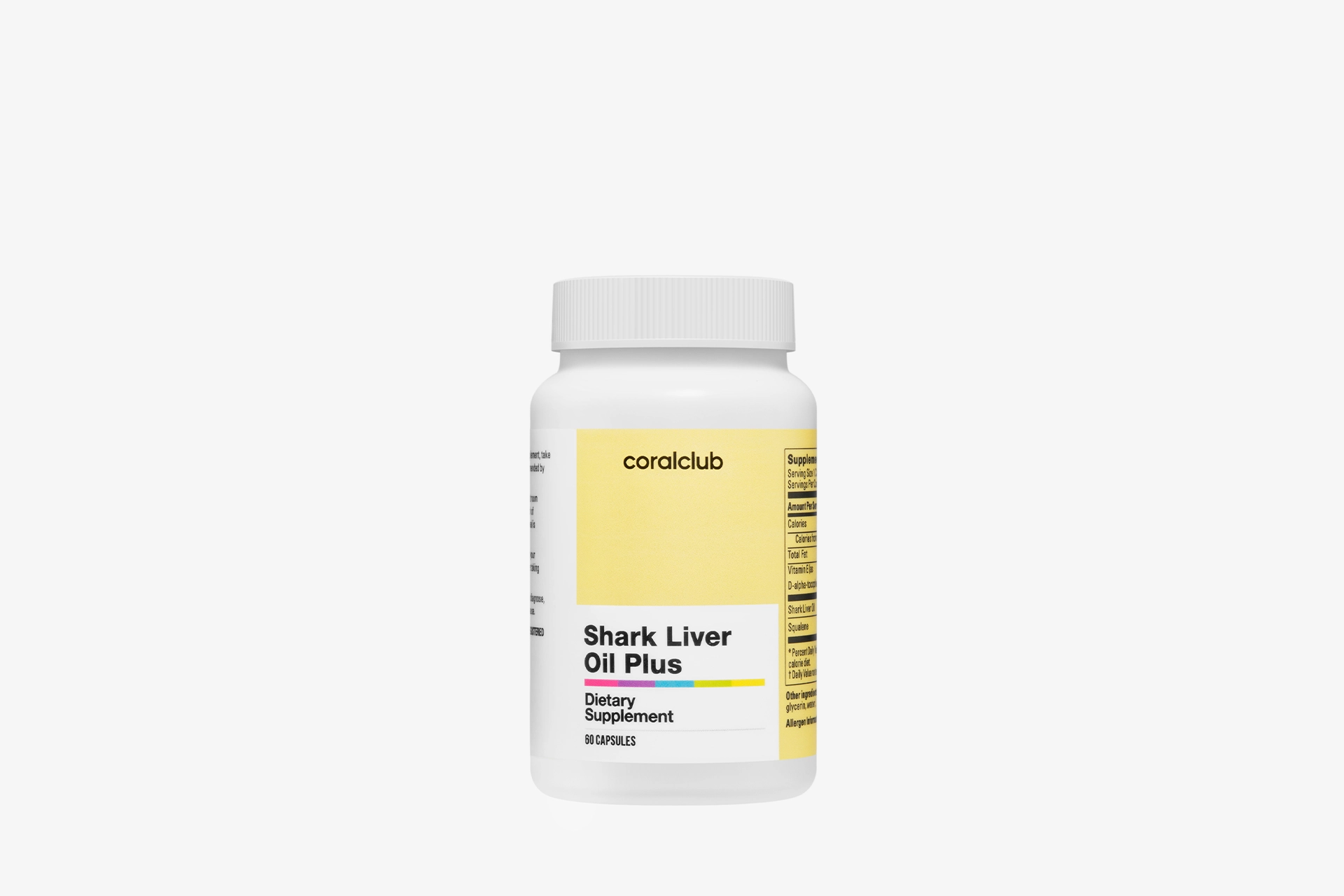
There is a common belief that encountering external agents provides the biological system with lifelong protection. Acquired resistance, based on the production of specific proteins (antibodies), indeed acts as a recognition system. However, research shows that this resource is not infinite: the concentration of protective markers decreases over time, leaving the internal environment vulnerable once again.
The primary line of defense is the innate, or cellular response. Unlike antibodies, which wait for a familiar agent, cellular defense works proactively. T-lymphocytes and macrophages patrol the internal environment daily, neutralizing atypical cells and unfamiliar elements before they can disrupt the balance.
But for this complex process to function effectively, it requires an uninterrupted supply of nutrients and regulators. Without adequate hydration, quality fats, and specific prohormones, even the most perfect system goes into a dormant state, allowing threats to penetrate cells.