Article

Energy from Within: How to Support the Main Motor

The internal motor works continuously, pumping thousands of liters of fluids and supplying oxygen to every tissue. But even the most perfect biological mechanism requires an uninterrupted supply of high-quality fuel. Exploring the synthesis of cellular energy and how to maintain its high level for years to come.

Coral Club Experts 01.02.2023 3 min read
Energy from Within: How to Support the Main Motor

The Biochemistry of the Vital Rhythm

Fatigue is not just a lack of desire to move; it is a physiological state that originates at the microscopic level. Every cell has its own power plants—mitochondria. This is where the synthesis of ATP molecules, the universal energy source for all life processes, takes place.

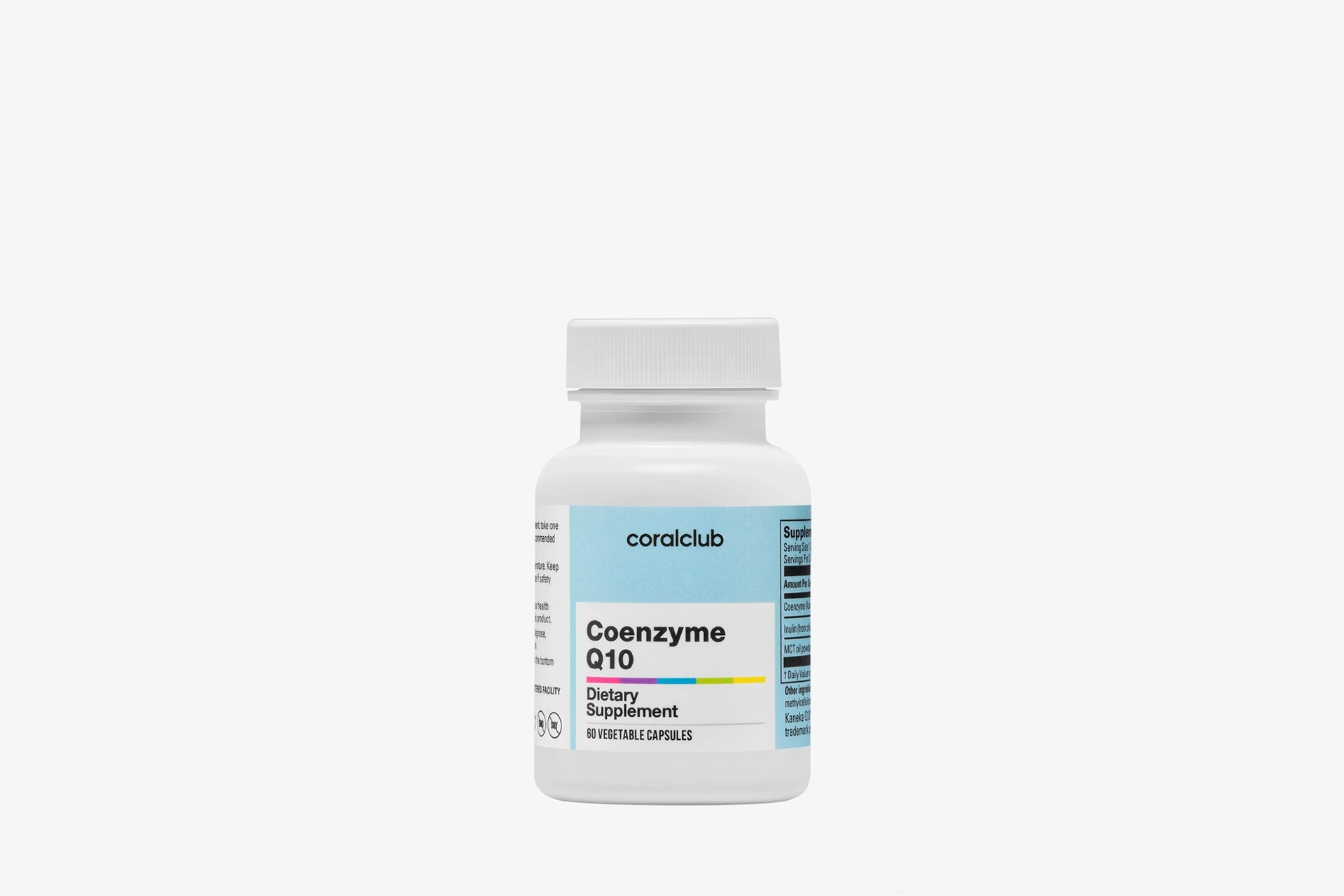
To start this complex assembly line, a kind of "spark" is needed. In nature, this role is fulfilled by the coenzyme ubiquinone (Coenzyme Q10). It is present in every internal structure, but its maximum concentration is focused in the tissues that consume the most energy—the heart muscle.

During youth, the internal environment synthesizes this nutrient in abundance. However, over time, the production of natural ubiquinone steadily declines. Body systems go into strict energy-saving mode, which externally manifests as rapid fatigue, dull skin, and a decrease in overall endurance.

Energy Decline Dynamics

Statistics show how the cellular supply of the youth coenzyme changes over time.

30%

Decrease in natural Q10 synthesis by age 40

50%

Deficiency of cellular coenzyme by age 60

Signals of Energy Deficit

The internal environment begins to broadcast a lack of resources long before serious failures occur:

  • Rapid breathing and shortness of breath during usual physical exertion (climbing stairs, fast walking).

  • A decline in cognitive abilities, weather sensitivity, and difficulty concentrating.

  • Delayed recovery after physical or emotional activity.

Assessing the Safety Margin

A short checklist helps check the condition of the main life support system and find out potential weak points.

Habits of Active Longevity

Maintaining a high rhythm of life requires daily attention to basic processes.

Recommended

  • Introduce regular aerobic exercise (brisk walking, swimming) to oxygenate the tissues.
  • Maintain optimal hydration with slightly alkaline water for normal fluid viscosity.
  • Monitor the quality and duration of sleep to restore cellular energy stations.

Avoid

  • Abusing artificial energy drinks and consuming excessive amounts of caffeine.
  • Having trans fats and highly processed foods in the diet, which cause oxidative stress.
  • Prolonged emotional strain, which depletes mineral reserves.

The Synergy of Support

It is extremely difficult to meet the need for Coenzyme Q10 exclusively from food. To get the daily norm, it would require consuming a huge amount of high-calorie food every day, which in itself would overload digestion.

A glowing spark of cellular energy

Therefore, the optimal solution is the use of concentrated, bioavailable forms. At the same time, the isolated intake of nutrients often yields only half of the possible result. For maximum efficiency, the coenzyme must work in synergy with other structural elements.

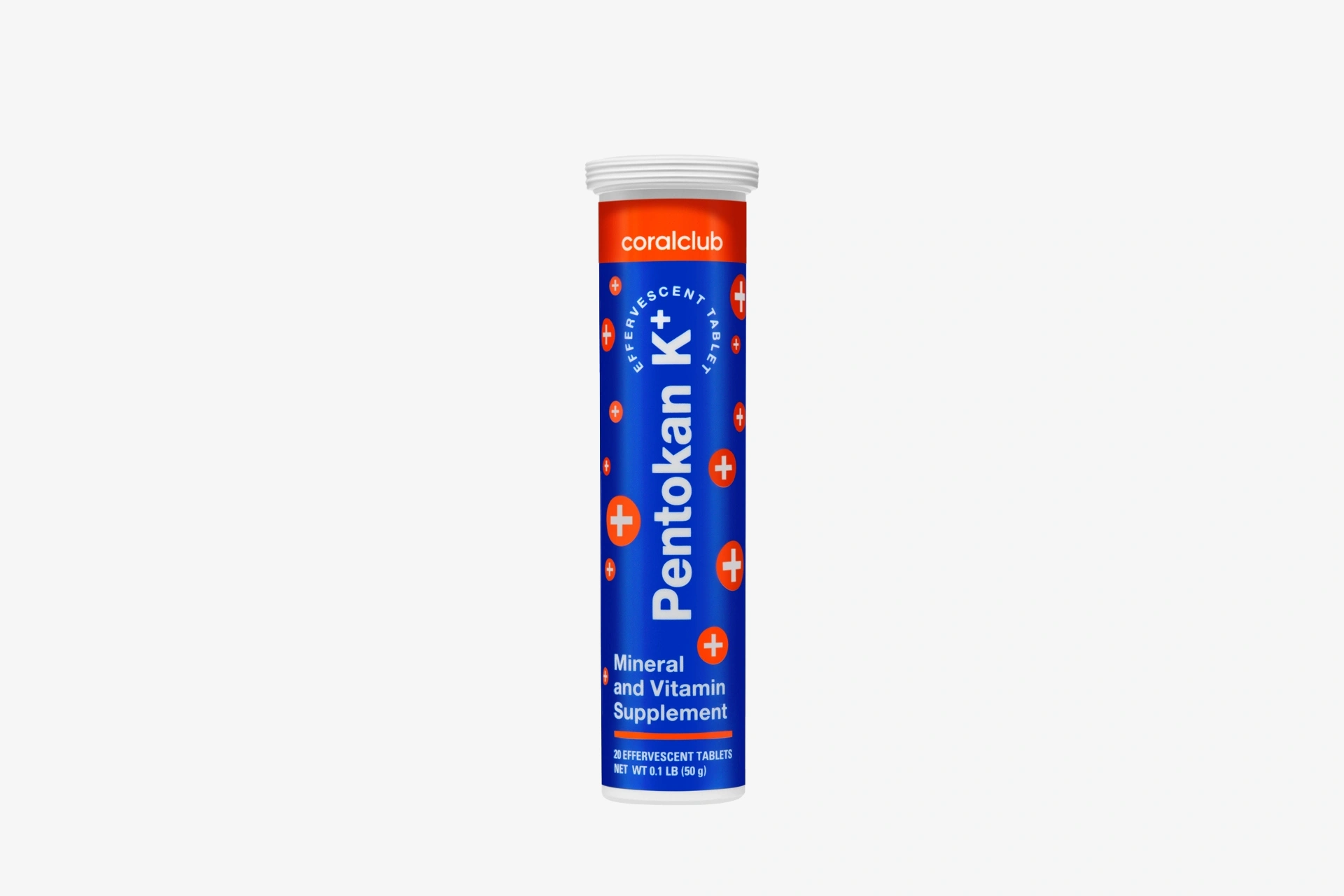
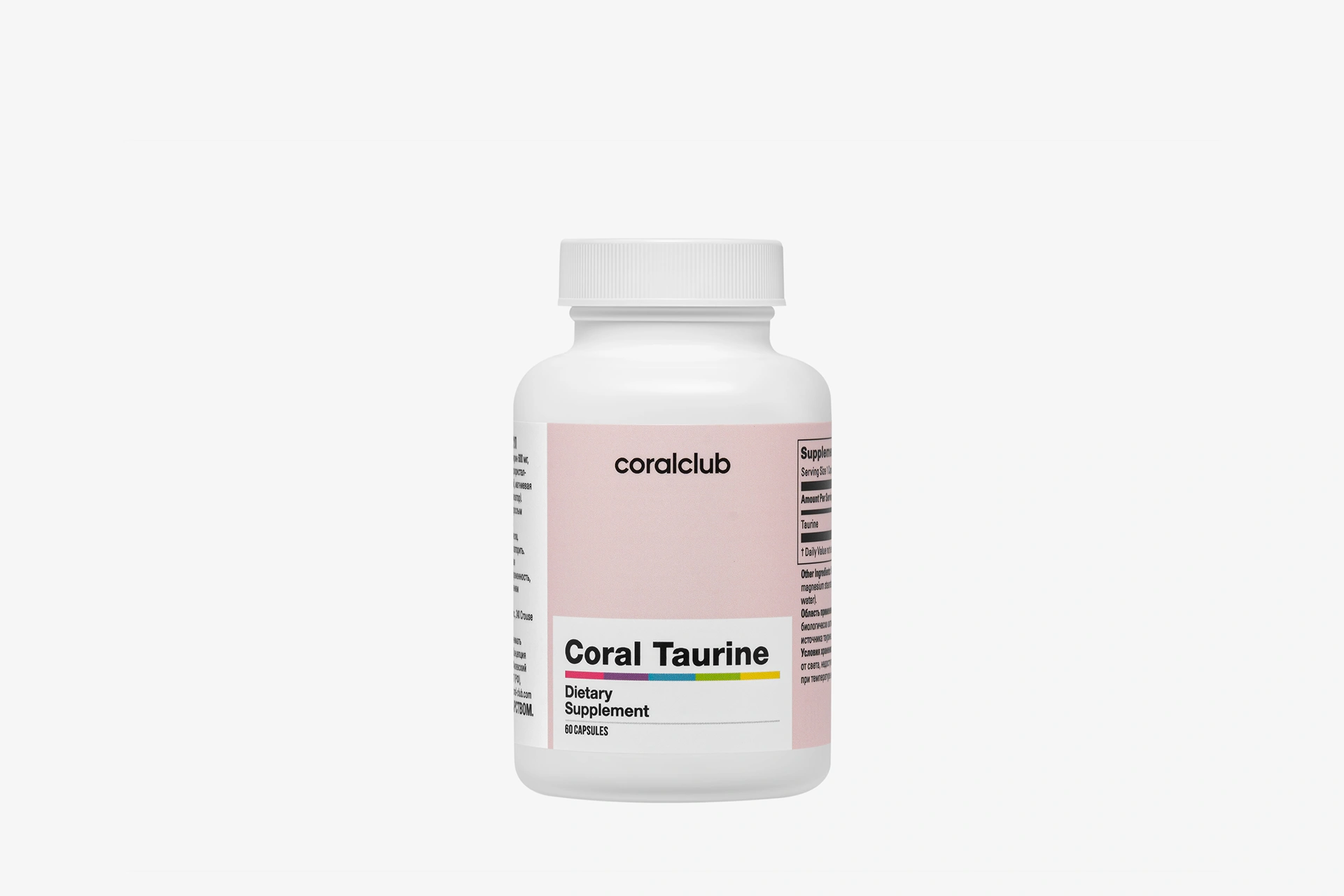
Providing cells with potassium, magnesium, and taurine creates the ideal foundation for the absorption of ubiquinone. Such a comprehensive approach not only protects cell membranes from oxidative destruction but also guarantees a stable, even rhythm of the main motor for many decades.