Article

Freedom of Movement: The Synergy of Flexibility and Comfort

The ability to move easily and smoothly is a resource often taken for granted until the first signs of discomfort appear. Maintaining a full range of motion requires an understanding of internal biomechanics and the conditions necessary for daily cellular renewal.

Coral Club Experts 25.02.2025 5 min read
Freedom of Movement: The Synergy of Flexibility and Comfort

The Perfect Natural Hinge

The musculoskeletal system operates on the principles of natural synergy. Healthy cartilage is like a dense, hydrated sponge that compresses under load and releases synovial fluid—a natural lubricant. This mechanism allows joint surfaces to glide silently, providing flawless shock absorption.

The challenge is that cartilage tissue lacks its own blood supply. It receives all its nutrients exclusively through diffusion from the surrounding intercellular fluid, and this process only occurs during physical activity. No movement means no nourishment.

With age, as well as due to unbalanced diets and dehydration, synovial fluid thickens. The cartilage begins to lose moisture, becomes more fragile, and every movement demands more effort from the internal system.


Markers of Nutritional Deficiency

The decline in tissue elasticity does not happen overnight. Internal systems always provide warnings when biomechanics are compromised:

  • Morning stiffness: the need to "warm up" after waking to restore the usual range of motion.

  • Reduced cushioning: specific sounds (clicks) when squatting or bending without overt discomfort.

  • Tissue weather sensitivity: reactions in the musculoskeletal system to changes in atmospheric pressure or temperature.

Evaluate Structural Resilience

An interactive test helps analyze the current state of the musculoskeletal system and uncover hidden nutritional needs.

Habits for Preserving Elasticity

Before introducing intensive nutraceutical support, it is essential to create a favorable environment for recovery.

Recommended

  • Ensure deep hydration (water is the main component of synovial fluid).
  • Maintain regular joint gymnastics (movement triggers the diffusion of nutrients).
  • Include Omega-3 sources in the diet to support healthy lipid metabolism.

Avoid

  • Excessive simple carbohydrates (sugar promotes protein glycation and collagen breakdown).
  • Prolonged static postures (sitting for hours blocks microcirculation in the pelvic area).
  • Skipping a basic warm-up before intense physical activities.

The Basis of Cellular Restoration

Regaining flexibility requires two key components: hyaluronic acid (which retains water and restores volume) and chondroitin (the synergistic component for the matrix itself). For a long time, it was believed that delivering these large molecules without losing their properties could only be done through invasive methods.

The flexibility and resilience of natural structures

However, modern biotechnology has enabled the creation of molecular matrices that remain stable as they pass through the digestive tract. Such complexes act systemically: they do not just pinpoint a deficiency but trigger the natural production of synovial fluid across all structures of the musculoskeletal system.

It is important to understand that the regeneration process takes time. Tissues renew gradually, so the key to success lies in consistency and properly combining foundational elements with natural antioxidants.

Systemic Support Protocol

Three steps to returning to an active rhythm of life:

01

Preparation

Establishing a hydration routine with bioavailable water to thin the synovial fluid.

02

Synergy

A course of hyaluron-chondroitin complex to nourish the cartilage matrix.

03

Relieving Tension

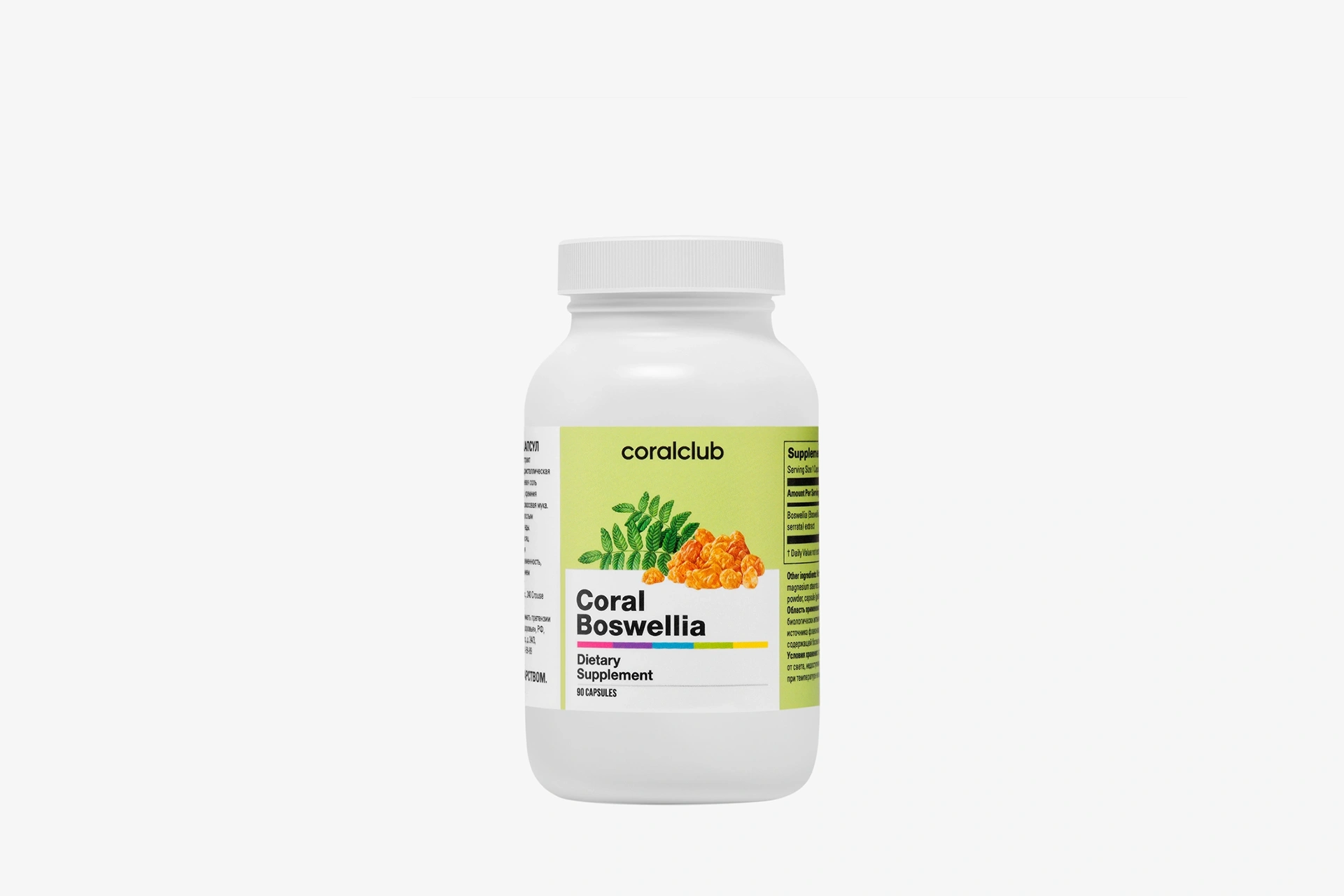
Using botanical extracts (such as Boswellia) to gently neutralize discomfort.