Article

Gut: The Second Brain — How the Microbiome Influences Mood and Immunity

It is generally accepted that all processes are controlled solely by the head. However, modern science has proven the existence of an autonomous enteric nervous system hidden in the abdominal cavity. The state of this invisible center determines not only comfortable digestion but overall quality of life.

Coral Club Experts 10.07.2018 3 min read
Gut: The Second Brain — How the Microbiome Influences Mood and Immunity

The Invisible Conductor of the Internal Environment

The enteric nervous system contains hundreds of millions of neurons and exchanges signals with the central nervous system continuously. This highly complex network is home to trillions of microorganisms forming a unique microbiome. This community of bacteria acts as a highly active biological ecosystem working 24/7.

The balance between beneficial and pathogenic flora dictates how efficiently nutrients from food are absorbed, how quickly metabolic waste is eliminated, and how promptly the defensive barrier reacts to external threats. About 70% of protective cells are generated and stationed directly within the mucous membranes of the gastrointestinal tract.

A shift in this delicate balance triggers a cascade of negative reactions. When beneficial bacteria are suppressed by harsh environmental factors, stress, or poor dietary choices, pathogens rapidly take their place, compromising the barrier function and initiating systemic intoxication.
Popular Digestion Misconceptions

There are many stereotypes surrounding gut support that make it difficult to choose the right approach.

Myth

The gastrointestinal tract is solely responsible for digesting food and absorbing calories.


Fact

It is a primary immune and emotional center. Up to 95% of serotonin — the hormone responsible for emotional stability — is synthesized here.

Myth

To balance flora, simply drinking kefir or taking a course of probiotics is enough.


Fact

Without prior gentle cleansing of the intestinal walls and the creation of a nourishing environment (prebiotics), beneficial bacteria simply cannot settle and thrive.

Hidden Signals of Imbalance

Microbiome disruption can occur without obvious abdominal discomfort, masking itself as entirely different states. Highlighted below are 3 hidden signs:

  • Emotional swings: irritability, apathy, and chronic fatigue due to decreased serotonin synthesis.

  • Aesthetic imperfections: breakouts, dull complexion, and a tendency to irritation as a result of toxin accumulation.

  • Hidden deficiencies: weak hair and nails because the epithelial villi are unable to absorb vitamins, even with a nutrient-rich diet.

Colossal Renewal Potential

The main advantage of the digestive system is its stunning ability to self-renew. Epithelial cells change incredibly fast: every few days, the old layer gives way to a new one. This means that with the right approach and the creation of favorable conditions, it is possible to completely balance the function of this vital system.

Microbiome balance and mucous membrane health

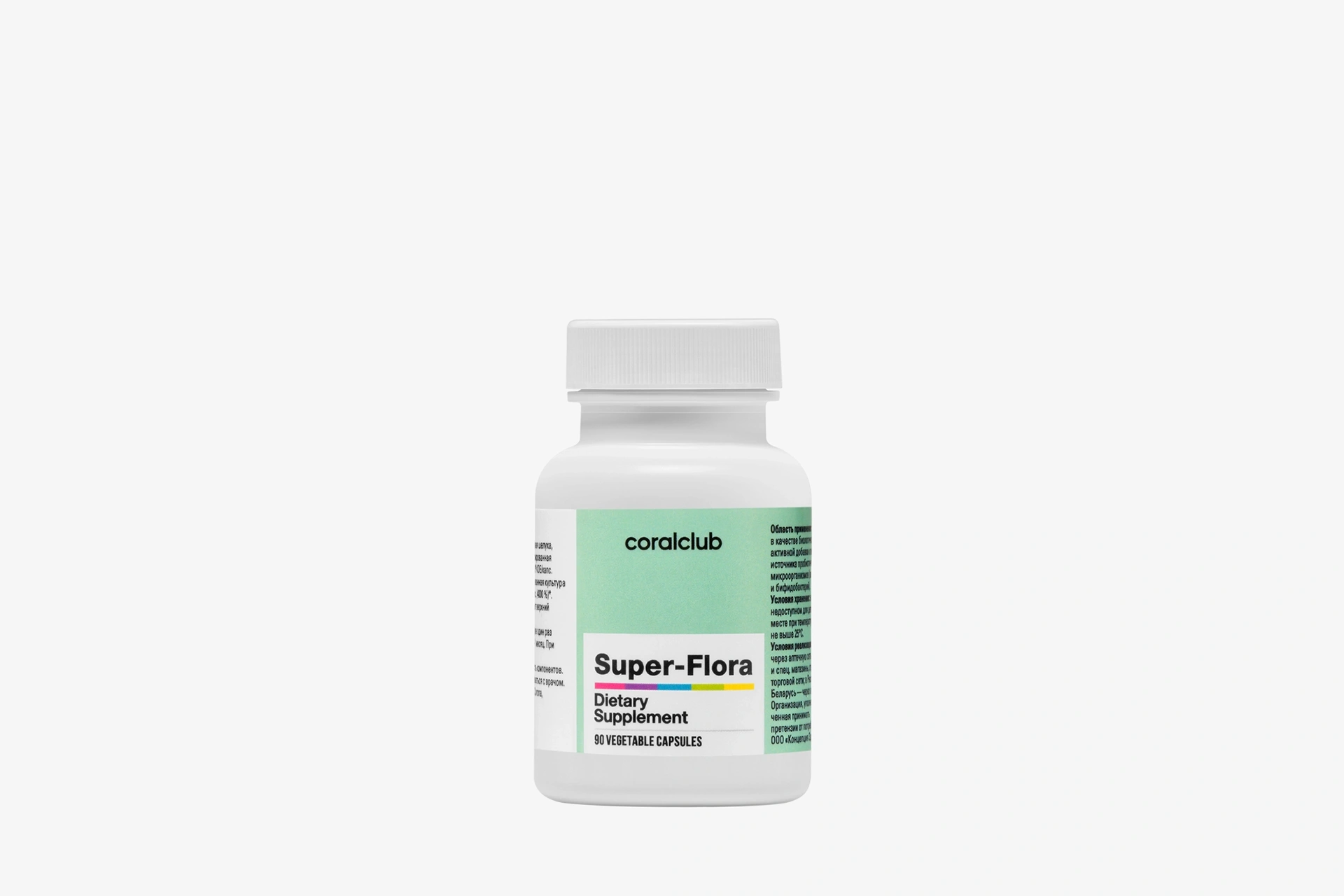
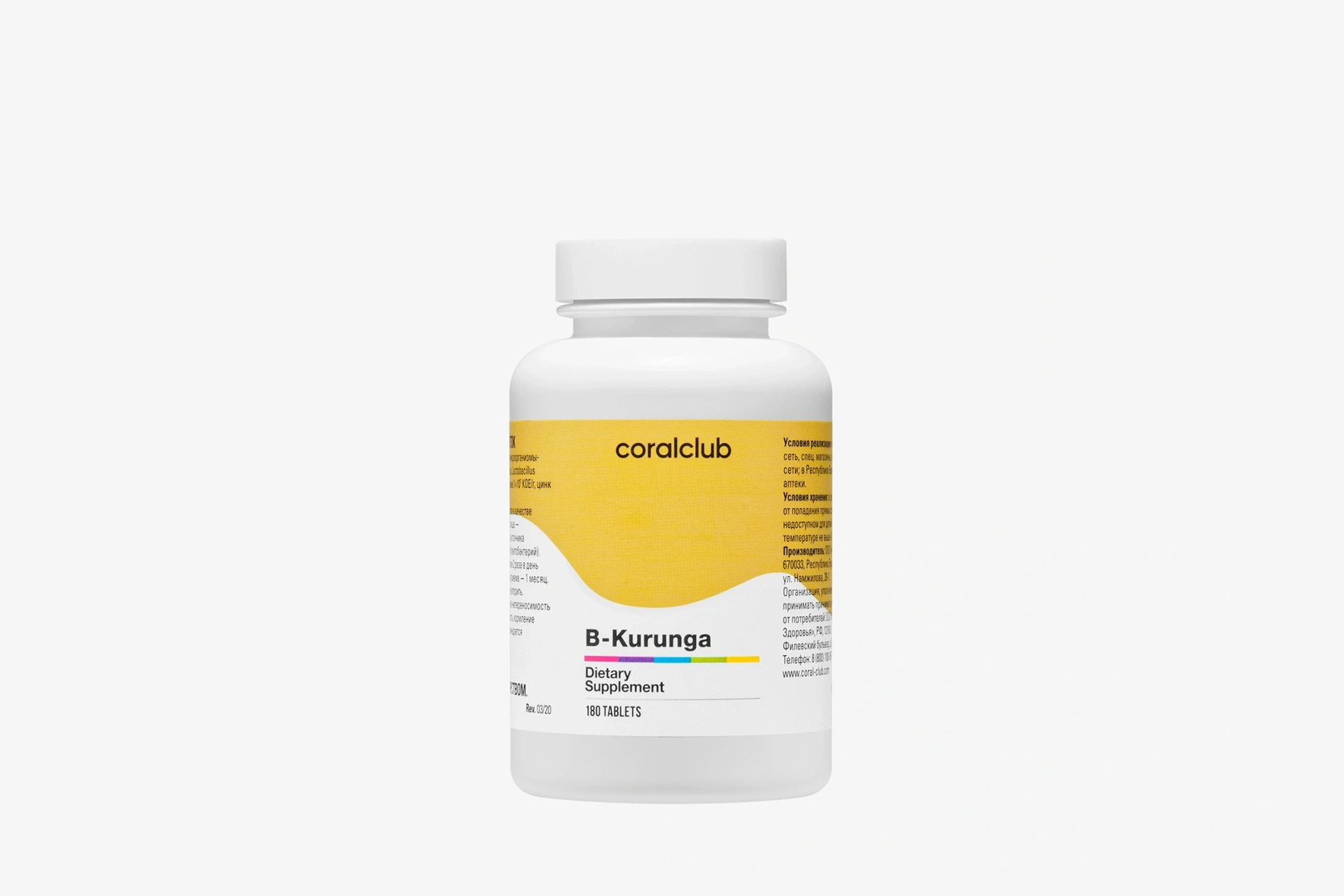
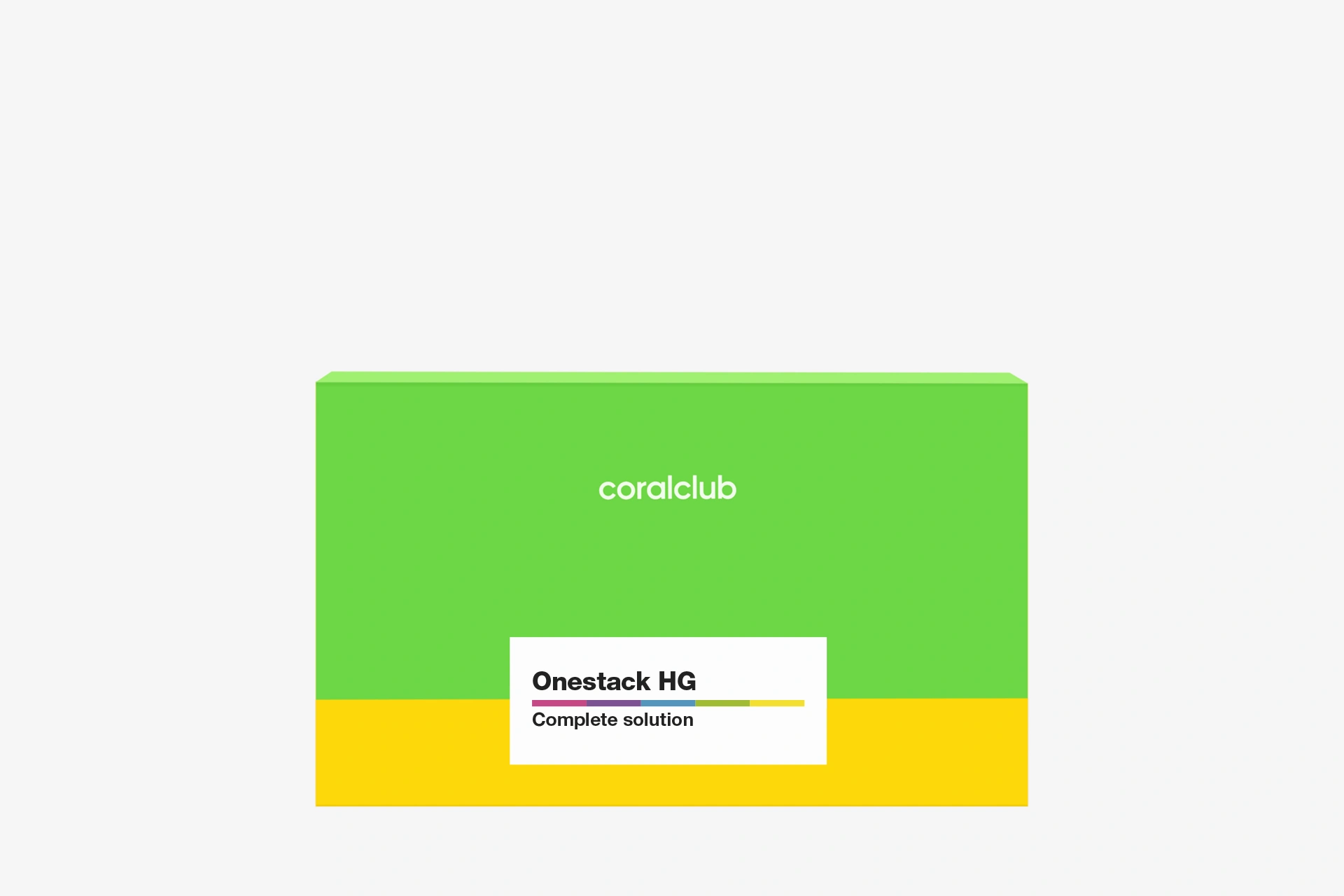
A systemic protocol includes not only populating friendly flora but also preparing the internal environment. This requires optimal hydration, gentle removal of accumulated waste, and support for natural bile flow.

Digestive System Evaluation

A quick online test helps evaluate the stress levels on the digestive system and identify hidden imbalance risks.

Golden Rules for the Microbiome

Daily habits that either build a healthy internal environment or actively disrupt its balance.

Foundation of Health

  • Consume the daily norm of bioavailable water to support the mucous membranes.
  • Include sufficient amounts of soluble and insoluble fiber in the diet.
  • Support liver function and bile flow to ensure natural protection against unwanted elements.

Major Threats

  • Excess refined sugar — the perfect breeding ground for pathogenic flora.
  • Chronic stress, which causes bile duct spasms and disrupts peristalsis.
  • Unjustified use of aggressive substances that suppress friendly flora.