Article

Energy Architecture: How to Exit Safe Mode and Regain Resources

The modern rhythm of life dictates its own rules, and often the price of high productivity is complete emotional and physical exhaustion. The feeling of constant fatigue is not a sign of weak character, but a clear biochemical signal from the internal environment about a critical shortage of basic elements.

Coral Club Experts 01.03.2023 3 min read
Energy Architecture: How to Exit Safe Mode and Regain Resources

The Biochemistry of Burnout

Many try to solve the problem of a lack of strength with synthetic stimulants or extra hours of sleep. However, if vigor does not return after a long rest, the problem lies much deeper—at the level of cellular respiration and mineral metabolism.

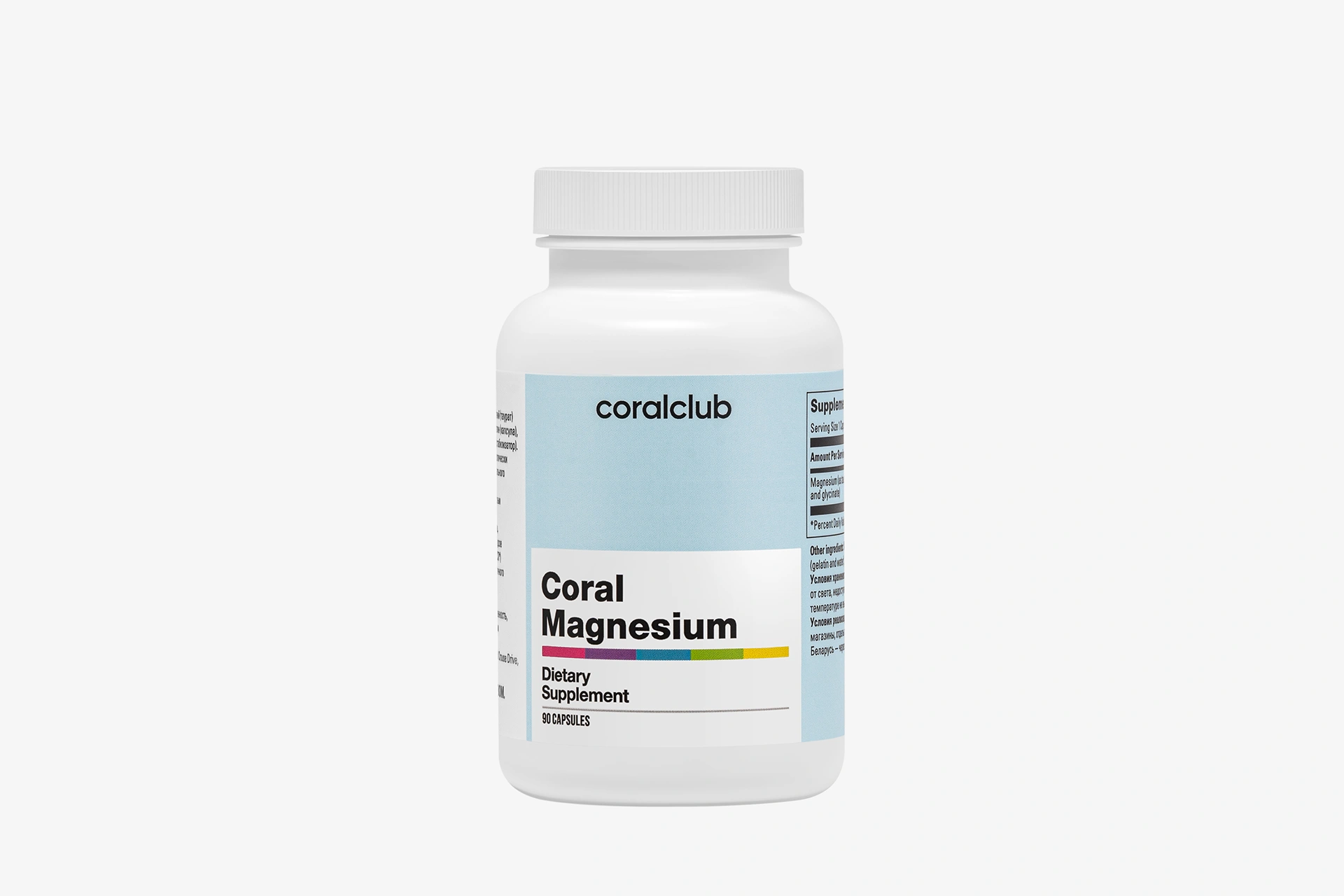
Under high levels of stress, irregular meals, and multitasking, internal reserves are consumed at a colossal speed. This primarily concerns electrolytes: magnesium and potassium. They are responsible for transmitting nerve impulses, relaxing muscle fibers, and ensuring uninterrupted energy production.

When supplies are depleted, the system automatically enters energy-saving mode. Concentration decreases, irritability appears, and familiar tasks begin to require incredible effort. Escaping this state requires deep mineral nourishment, not just temporary rest.


Signals of Deep Deficiency

Body systems always provide signals about a lack of resources through changes in well-being:

  • A lack of morning energy, brain fog, and a desire to postpone all tasks.

  • Unexplained muscle weakness, tension in the neck and shoulders, and periodic spasms.

  • Emotional swings, decreased motivation, and a loss of interest in favorite activities.

The Mathematics of Stress

Numbers demonstrating how emotional loads affect the consumption of structural elements.

70%

Increase in intracellular magnesium consumption during stress

50%

Decrease in energy production due to chronic electrolyte deficiency

Popular Questions About Recovery

Caffeine does not give energy; it only stimulates the nervous system to use its last reserves. When reserves (minerals) are at zero, stimulation only causes a rapid heartbeat and anxiety without a surge of strength.
Due to depleted soils and long transportation of products, the amount of magnesium and potassium in vegetables has critically decreased. It is almost impossible to replenish a deep deficiency solely from food in an urban environment.

Energy from the Depths of the Ocean

Replenishing the electrolyte balance as quickly and safely as possible requires a special bioavailable form of minerals. The answer to this challenge was found in the crystal-clear depths of the ocean, where the water preserves the pristine matrix of macro- and microelements.

Energy of deep-sea ocean minerals

Deep-sea minerals possess a unique natural ionic form. In terms of their chemical profile, they are as close as possible to the composition of human blood plasma. As a result, these elements do not require complex digestive breakdown and are instantly absorbed by the cells.

Regular saturation of the internal environment with such an ionic cocktail allows for gentle relief of muscle tension, restores an even emotional background, and brings back the very lightness that characterizes a fully resourceful state.

Energy Return Algorithm

A step-by-step protocol for tuning internal systems to independently generate vitality.

01

Electrolyte Balance

Using deep-sea minerals and bioavailable water for emergency replenishment of magnesium deficiency and stress relief.

02

Triggering Cellular Respiration

Adding active potassium to normalize metabolic processes and ensure the smooth operation of the sodium-potassium pump.

03

Emotional Stability

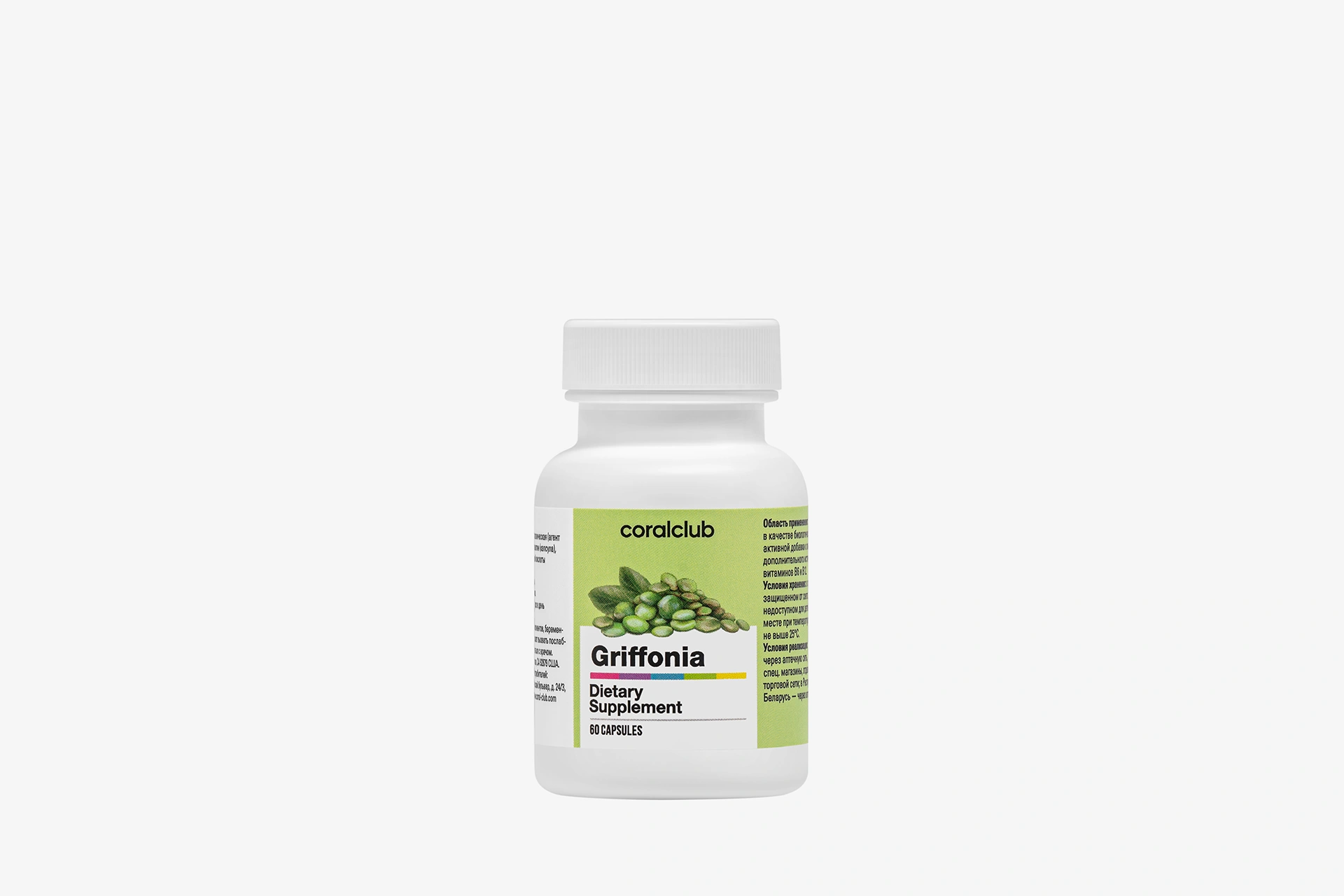
Integrating botanical extracts (such as griffonia) for natural support of the synthesis of joy hormones and improvement of sleep quality.